
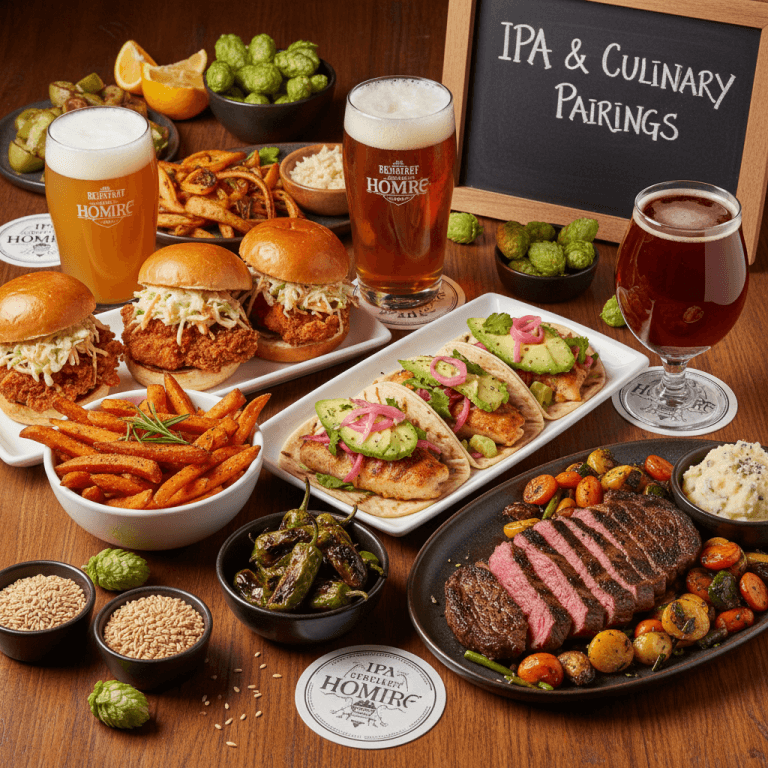
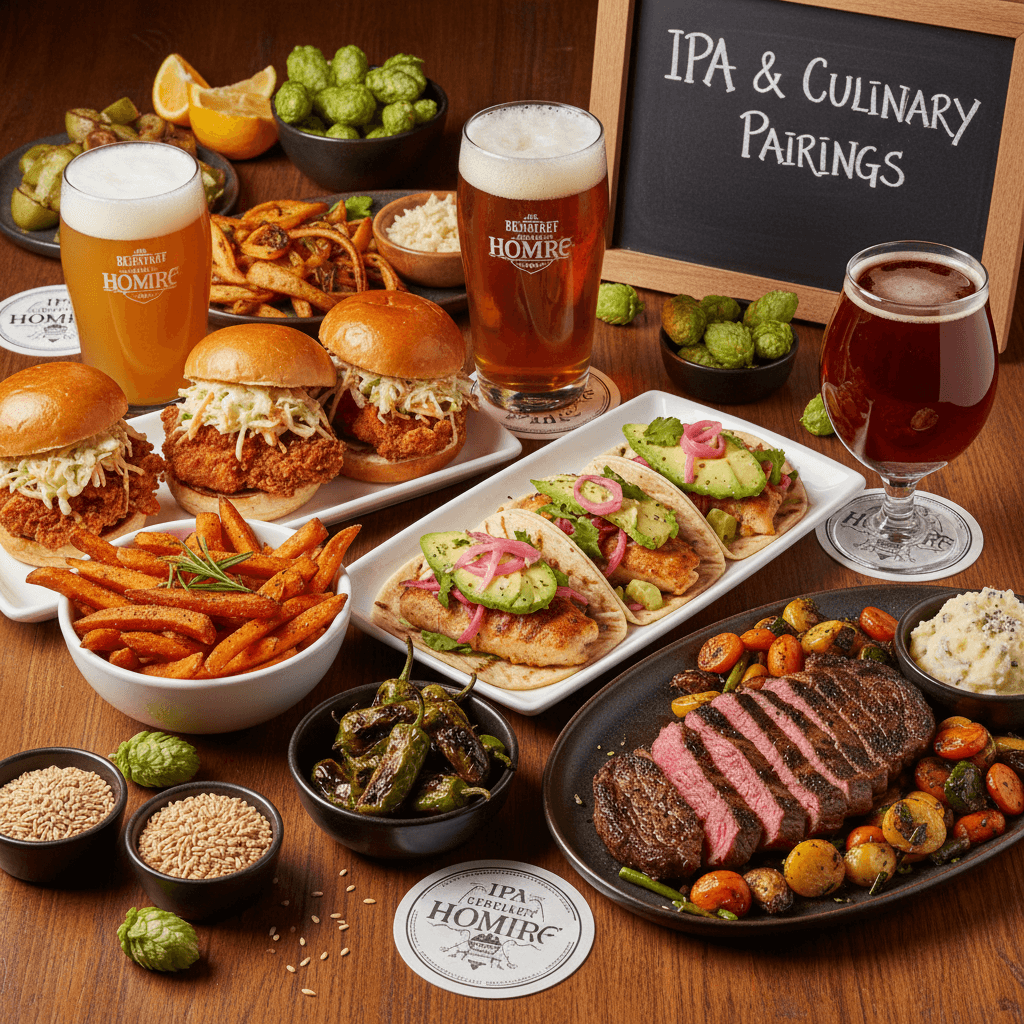
The Ultimate Guide to IPA Food Pairing
Estimated reading time: 18 minutes
Key Takeaways
- IPA food pairing enhances the unique hop-forward flavors of different IPA styles.
- Balance intensity and use richness or sweetness to counteract IPA bitterness.
- Match flavor profiles to create harmonious or contrasting experiences.
- The “3 C’s” of pairing: Cut, Complement, and Contrast for ideal flavor balance.
- Experiment with different foods and IPA styles to discover your personal favorites.
Table of Contents
- Understanding Different IPA Styles
- General Guidelines for IPA Food Pairing
- Specific Food Pairings for Different IPA Styles
- Pairing IPA and Spicy Food
- Bitter Beer Food Pairing Strategies
- Advanced Pairing Techniques
- Creating Your Own Pairing Experiences
- Common Pairing Mistakes to Avoid
- The Science Behind Great Pairings
- Conclusion
- Call to Action
Understanding Different IPA Styles
Before diving into specific pairings, it’s essential to understand the different types of IPAs available. Each style brings its own personality to the table, which directly influences which foods will work best.
Hazy IPA (NEIPA)
Hazy IPAs, also called New England IPAs, are known for their cloudy appearance and soft, pillowy texture. These beers deliver juicy tropical fruit flavors like mango, pineapple, and passion fruit, along with bright citrus notes.
Unlike traditional IPAs, hazy IPA food pairing focuses on complementing the beer’s fruit-forward character rather than battling bitterness. The bitterness level in these beers is much lower, making them approachable and smooth.
The NEIPA pairing approach centers on foods that won’t overpower the beer’s delicate fruit notes while still providing enough flavor to create an interesting combination.
West Coast IPA
West Coast IPAs represent the classic American IPA style. These beers are crystal clear, with a sharp, assertive bitterness that doesn’t apologize for itself.
The dominant flavors in west coast IPA pairing include resinous pine and bright citrus, particularly grapefruit. These beers tend to have a dry finish that cleanses your palate, making them excellent partners for rich or fatty foods.
The bitterness in these IPAs is front and center, which means your food choices need to either match that intensity or provide a contrasting element that softens the bitter edge.
Double IPA
Double IPAs, sometimes called Imperial IPAs, take everything about a standard IPA and dial it up. These beers pack higher alcohol content, often ranging from 7% to 10% ABV or even higher.
The intense bitterness combined with strong hop aromas makes double IPA food choices critical. You need dishes with enough boldness to stand up to the beer without creating an overwhelming experience.
These powerhouse brews demand respect when it comes to pairing, as their intensity can easily dominate milder foods.
Session IPA
Session IPAs offer the hop character you love in an IPA but with a lighter body and lower alcohol content, typically under 5% ABV.
These refreshing beers feature subdued hop intensity compared to their stronger cousins, making session IPA pairing ideal for lighter fare and longer drinking sessions.
The crisp, clean finish of session IPAs makes them incredibly versatile, pairing well with foods you might not typically associate with hoppy beers.
How Flavor Profiles Influence Pairing Choices
The flavor characteristics of each IPA style guide your pairing decisions. Fruity, less bitter IPAs like hazy versions work beautifully with lighter dishes featuring herbal or citrus notes.
In contrast, bitter, high-alcohol IPAs require bold or fatty foods to create balance. The richness helps tame the bitterness while the beer cuts through the fat, creating a harmonious back-and-forth on your palate.
Understanding these flavor dynamics is the foundation of successful bitter beer food pairing and will help you make better choices regardless of which IPA style you’re enjoying.
General Guidelines for IPA Food Pairing
Successfully pairing IPAs with food doesn’t require a degree in culinary arts. Following a few simple principles will dramatically improve your pairing experiences.
Balance Intensity Levels
The first rule of IPA food pairing is matching intensity. Strong, bold IPAs need robust foods that won’t get lost behind the beer’s powerful hop character.
Pairing a delicate piece of steamed fish with a double IPA would be a mistake—the beer would completely overpower the subtle fish flavors. Instead, save lighter dishes for session IPAs and reserve your boldest foods for your most intense beers.
This principle works in reverse too. A light session IPA paired with heavily spiced barbecue would leave the beer tasting like water by comparison.
Contrast Bitterness with Richness
One of the most effective strategies for bitter beer food pairing involves using rich, sweet, or fatty foods to counteract the IPA’s bitterness.
Fat and sugar both help soften the perception of bitterness on your palate. That’s why creamy cheeses, fried foods, and dishes with sweet elements work so well with hoppy beers.
Consider how a bite of rich, creamy cheese transforms the taste of a bitter IPA. The fat coats your mouth, tempering the hop bite and allowing other flavors to emerge.
Highlight Aromatic Similarities
Many IPAs feature herbal, spicy, or citrusy aromatics that you can echo in your food choices. When the beer and food share similar aromatic compounds, they enhance each other beautifully.
A citrus-forward IPA pairs wonderfully with dishes featuring lemon, lime, or orange. Similarly, IPAs with herbal notes complement foods seasoned with cilantro, basil, or rosemary.
This technique, sometimes called “flavor bridging,” creates a cohesive taste experience where the beer and food feel like they were meant to be together.
The “3 C’s” of Beer and Food Pairing
Professional sommeliers and beer experts often reference the “3 C’s” when discussing pairings: Cut, Complement, and Contrast.
- Cut refers to using the beer to slice through rich or fatty foods. The carbonation and bitterness in IPAs excel at cleansing your palate between bites of something heavy.
- Complement means finding foods that share similar flavors with the beer, creating harmony and reinforcement of those taste notes.
- Contrast involves deliberately pairing opposites—like the way IPA and spicy food work together. The bitterness and carbonation provide relief from the heat while the spice makes the beer’s hop flavors more pronounced.
Actionable Pairing Tips
- Match the weight of your food to the body of your IPA
- Use fatty or sweet foods to balance aggressive bitterness
- Look for ingredient overlaps between beer and food (citrus with citrus, herbs with herbs)
- Don’t be afraid to experiment—personal preference always wins
- Consider the sauce or seasoning as much as the main ingredient
- Temperature matters—colder beer tastes less bitter than warmer beer
The best food with IPA choices often involve some trial and error, but these guidelines will point you in the right direction from the start.
Specific Food Pairings for Different IPA Styles
Hazy IPA Food Pairing
The juicy, fruity character of hazy IPAs calls for foods that complement rather than compete with these tropical notes.
Grilled chicken tacos make an excellent choice. The char from the grill adds depth while the chicken provides protein without overwhelming the beer. Top with mango salsa to create a bridge between the food’s fruit notes and the beer’s tropical character.
Spicy shrimp works beautifully with NEIPA pairing. The slight heat brings out the beer’s fruit flavors while the seafood’s natural sweetness harmonizes with the low bitterness.
Creamy dishes like fettuccine alfredo benefit from the way hazy IPAs cut through richness. The beer’s soft carbonation and fruit notes provide contrast to the heavy cream sauce without clashing.
Other winning combinations include:
- Fish tacos with citrus slaw
- Thai basil chicken
- Coconut curry dishes
- Grilled pineapple on burgers or pizza
- Cedar plank salmon
The key to successful hazy IPA food pairing is avoiding anything that would mask the beer’s delicate fruit and citrus characteristics.
West Coast IPA Pairing
The bold, piney bitterness of West Coast IPAs demands foods with enough character to match.
Barbecue ribs are a classic pairing. The sweet, smoky sauce provides contrast to the beer’s bitterness while the fatty meat benefits from the IPA’s palate-cleansing properties. Each bite of rich pork is refreshed by a sip of crisp, bitter beer.
Garlic fries hit multiple pairing notes. The fried potato provides fat to balance bitterness, the garlic creates an aromatic bridge, and the salt enhances the beer’s hop flavors.
Burgers, especially those with bold toppings like bacon, cheddar, and caramelized onions, stand up to the assertive nature of west coast IPA pairing. The beefy richness needs that bitter, carbonated cut.
Additional excellent pairings include:
- Grilled steaks with peppercorn crust
- Smoked brisket
- Loaded nachos
- Sharp cheddar cheese
- Pepperoni pizza
West Coast IPAs thrive alongside charred, smoky, and fatty foods that won’t back down from the beer’s intense hop profile.
Double IPA Food
The extreme intensity of double IPAs requires equally bold food choices.
Blue cheese is a power pairing. The pungent, creamy cheese matches the beer’s intensity while the fat content softens the aggressive bitterness. The combination creates a luxurious experience greater than either alone.
Spicy curry makes an adventurous but rewarding double IPA food choice. The complex spices interact with the beer’s hop aromatics, while the heat and the bitterness play off each other in fascinating ways.
Rich stews with deep, developed flavors stand up to the alcohol and hop intensity. Beef stew, lamb tagine, or hearty chili all provide the robustness needed to balance these powerful beers.
Other strong pairings include:
- Buffalo wings with blue cheese dressing
- Aged gouda or aged cheddar
- Spicy sausages
- Blackened fish
- Dark chocolate desserts
The high alcohol content in double IPAs means you need foods with enough fat and flavor to prevent the boozy character from becoming overwhelming.
Session IPA Pairing
The lighter profile of session IPAs opens up pairing possibilities that wouldn’t work with stronger beers.
Sushi is an inspired choice. The clean, crisp character of a session IPA refreshes your palate between pieces without overwhelming the delicate fish. The citrus hop notes can even complement wasabi and pickled ginger.
Salads work wonderfully with session IPA pairing, especially those with citrus vinaigrettes or fruit components. The light beer won’t overpower fresh greens and vegetables.
Lighter fare like grilled chicken, fish and chips, or vegetable spring rolls all pair beautifully. These foods match the beer’s weight while providing enough flavor to create interest.
More great options include:
- Vietnamese salads with herbs and lime
- Ceviche with fresh citrus
- Grilled white fish
- Caprese salad
- Chicken satay
Session IPAs excel at outdoor gatherings and longer meals where you want flavorful beer without the heaviness of higher-alcohol options.
NEIPA Pairing
New England IPAs deserve special attention for their unique soft, hazy character.
Creamy pasta dishes benefit from NEIPA pairing. The beer’s smooth mouthfeel complements cream-based sauces while the fruit notes provide brightness that cuts through richness. Try it with carbonara or lobster mac and cheese.
Mildly spiced seafood allows the beer’s tropical character to shine. Coconut shrimp, grilled scallops with mango salsa, or fish tacos with pineapple all create beautiful flavor harmonies.
Citrus desserts make an unexpected but delightful pairing. The beer’s fruit-forward profile works with lemon bars, orange pound cake, or key lime pie.
Other recommended pairings:
- Vietnamese pho with fresh herbs
- Fried calamari with lemon aioli
- Carrot cake
- Goat cheese and honey
- Lobster rolls
The gentle bitterness and emphasized fruit character of NEIPAs make them among the most food-friendly IPA styles, especially for those who typically find hoppy beers too aggressive.
Pairing IPA and Spicy Food
One of the most celebrated combinations in the beer world is IPA and spicy food. The interaction between hop bitterness, carbonation, and capsaicin heat creates a compelling taste experience.
Why IPAs Work with Spicy Dishes
The bitterness in IPAs doesn’t actually reduce the heat from spicy foods—in fact, it can amplify it slightly. However, this intensification is part of the appeal for spice lovers who enjoy the building heat.
The carbonation in beer acts as a scrubbing agent, lifting oils and capsaicin from your tongue between bites. This provides temporary relief and prepares your palate for the next mouthful.
The hop aromatics in IPAs also complement the complex spice blends found in many cuisines, creating layers of flavor that unfold with each sip and bite.
Best Spicy Food Pairings
Thai curry represents an ideal IPA and spicy food match. Whether you choose green, red, or massaman curry, the coconut milk richness balances the beer’s bitterness while the spices interact beautifully with hop aromas.
Buffalo wings are an American classic for good reason. The hot sauce’s vinegar tang, the chicken’s fatty richness, and the IPA’s bitter bite create a perfect triangle of flavors.
Mexican food like fajitas, spicy tacos, or enchiladas all work wonderfully. The combination of heat, cheese, and grilled meats provides multiple elements that interact with different aspects of the beer.
Other excellent spicy pairings:
- Goan curry from Indian cuisine
- Szechuan dishes with numbing heat
- Spicy Korean fried chicken
- Jalapeño poppers
- Vindaloo
- Nashville hot chicken
The key is ensuring your dish has some fat content (from meat, cheese, or cooking oil) to help balance the bitterness while the spices and hops create fireworks on your palate.
Finding Your Heat Level
Not all IPAs handle spice equally. Hazy IPAs with their lower bitterness work better with milder heat, while West Coast and double IPAs can stand up to seriously spicy dishes.
Start with medium heat and adjust based on your tolerance and the beer’s intensity. The goal is balance—you want to taste both the food and the beer, not have one completely dominate the other.
Bitter Beer Food Pairing Strategies
Rich and Fatty Foods
Fat is your best friend when dealing with bitter beer food pairing. Fatty foods coat your tongue, creating a barrier that softens the perception of bitterness.
Grilled or oily fish like salmon or mackerel work beautifully. The natural oils in these fish provide richness while their robust flavors hold up to hop intensity.
Burgers with all the fixings offer fat from the beef and cheese, helping to tame bitterness while providing enough flavor complexity to create an interesting pairing.
Fried chicken gives you the crispy, fatty coating that mellows hop bitterness while the carbonation cuts through the grease. It’s a combination that feels indulgent but balanced.
Charcuterie and Cheese
A well-composed charcuterie board offers multiple pairing opportunities with bitter IPAs. Include:
- Aged cheeses with crystalline texture
- Fatty cured meats like salami or prosciutto
- Nuts for additional fat and crunch
- Dried fruits for sweetness to contrast bitterness
- Whole grain mustard to echo hop spiciness
The variety on a charcuterie board lets you experiment with different combinations, finding your personal favorites.
Why These Pairings Work
The science behind bitter beer food pairing is straightforward. Fat molecules bind to bitter compounds, reducing their intensity on your taste receptors. Meanwhile, the beer’s carbonation and alcohol cut through fat, preventing the food from feeling heavy.
This creates a circular effect: the food reduces the beer’s bitterness, the beer cleanses your palate of fat, and you’re left wanting another bite and another sip.
Salt also plays a role. Salty foods enhance the perception of hop flavors while reducing bitterness, which is why salted nuts, chips, and cured meats all pair exceptionally well with IPAs.
Advanced Pairing Techniques
Consider the Sauce and Seasonings
Often the sauce or seasoning has more impact on a pairing than the main ingredient. A chicken breast is neutral, but how you prepare it changes everything.
Citrus-based marinades echo the citrus notes in many IPAs. Herb-crusted preparations complement herbal hop varieties. Spicy rubs create the heat that interacts with bitterness.
Think about the dominant flavors in your preparation and match those to your beer’s characteristics.
Temperature Matters
Serving temperature affects both food and beer. Colder IPAs taste less bitter but also show fewer aromatic nuances. Slightly warmer beer (around 45-50°F instead of ice cold) reveals more complexity.
Hot foods can amplify alcohol perception in strong IPAs. If your double IPA tastes too boozy with a steaming curry, let the food cool slightly or serve the beer a bit colder.
Regional Pairing Philosophy
Consider pairing IPAs with foods from the same region. West Coast IPAs match beautifully with California cuisine featuring fresh vegetables and grilled seafood.
New England IPAs work wonderfully with New England clam chowder or lobster dishes.
This isn’t a hard rule, but regional ingredients and flavor preferences often evolved together for good reason.
Pairing with Desserts
Don’t overlook dessert when planning IPA food pairing experiences. The right sweet can be magical with the right beer.
Hazy IPAs pair beautifully with fruit-based desserts like mango sorbet or citrus tarts. The shared fruit notes create harmony.
Double IPAs can handle rich chocolate desserts, especially those with orange or coffee notes that complement complex hop profiles.
Session IPAs work with lighter desserts like angel food cake or fruit salad.
The key is ensuring the dessert isn’t sweeter than the beer, which would make the beer taste thin and bitter by comparison.
Creating Your Own Pairing Experiences
Host an IPA Pairing Event
Gather friends and several different IPA styles. Prepare or order various foods that represent different pairing strategies—something fatty, something spicy, something light, something rich.
Taste systematically, noting which combinations everyone enjoys most. You’ll discover that personal preference plays a huge role in successful pairings.
Keep a Pairing Journal
Document your experiments. Note the beer style, the food, and whether the pairing worked. Over time, you’ll identify patterns in your preferences.
You might discover you prefer complementary pairings over contrasting ones, or that you love the way certain hop varieties interact with specific ingredients.
Build Confidence Through Repetition
Start with the classic pairings mentioned in this guide, then branch out. Try a hazy IPA with five different dishes over several weeks. Notice how the same beer transforms with different foods.
This hands-on experience builds intuition that no guide can fully teach. Soon you’ll be able to look at a menu and an IPA list and instantly identify promising combinations.
Share Your Discoveries
The craft beer community thrives on shared knowledge. When you discover an exceptional pairing, tell others about it. Comment on brewery social media, write reviews, or simply tell your friends.
You might inspire someone else’s perfect pairing experience, and they might return the favor with a suggestion you’d never have considered.
Common Pairing Mistakes to Avoid
Overpowering Delicate Flavors
Don’t pair a subtle dish with an aggressive IPA. The beer will completely dominate, leaving you tasting only hops.
Light fish preparations, mild cheeses, and subtly seasoned vegetables need session IPAs or other lighter beer styles, not double IPAs.
Ignoring the Beer’s Temperature
Serving IPA too cold numbs your taste buds and hides both the food’s and the beer’s flavors. Let your beer warm slightly from refrigerator temperature before pairing with food.
Conversely, letting beer get too warm emphasizes alcohol and can make bitterness harsh. Find the sweet spot for each style.
Forgetting About Texture
Pairing considers more than just taste. Texture matters too.
A creamy IPA like a hazy NEIPA pairs better with creamy foods than with crunchy, dry items. The textural harmony creates a more cohesive experience.
Conversely, a crisp West Coast IPA can provide textural contrast to rich, creamy dishes.
Following Rules Too Rigidly
While guidelines help, personal preference always wins. If you love a pairing that “shouldn’t” work according to conventional wisdom, enjoy it anyway.
Beer and food pairing is about enhancing your enjoyment, not following rules for their own sake.
The Science Behind Great Pairings
How Taste Receptors Work
Your tongue has different receptors for sweet, salty, sour, bitter, and umami. These receptors can influence each other.
Fat doesn’t have a dedicated receptor but creates a coating sensation that affects how you perceive other tastes. This is why fatty foods reduce bitterness perception.
Salt enhances other flavors while reducing bitterness, which is why salted nuts or pretzels taste great with IPAs.
The Role of Carbonation
The fizz in beer serves multiple purposes. It lifts flavors to your nose, enhancing aroma perception. It scrubs your palate, preventing flavor fatigue. It provides textural interest.
This carbonation is particularly important when pairing with rich or spicy foods, as it prevents the palate from becoming overwhelmed.
Compound Sharing
When beer and food share aromatic compounds, they reinforce each other. A citrus-forward IPA and a dish with lemon share limonene, a compound that your brain recognizes as “citrus.”
When you taste them together, that citrus character becomes more pronounced and enjoyable. This is the science behind flavor bridging.
Conclusion
Thoughtful IPA food pairing unlocks new dimensions of flavor in both your beer and your meal. When you match the right IPA style with complementary foods, you create taste experiences that exceed what either could offer alone.
The best food with IPA varies depending on which style you’re enjoying. Hazy IPAs shine with creamy, tropical-inspired dishes. West Coast IPAs demand bold barbecue and fatty foods. Double IPAs need equally intense flavors to create balance. Session IPAs pair beautifully with lighter fare that won’t overpower their subtle character.
Remember the fundamental principles: balance intensity, use richness to counter bitterness, echo aromatic similarities, and apply the “3 C’s” of cut, complement, and contrast.
Don’t be intimidated by the options. Start with the classic pairings outlined in this guide, then experiment to find your personal favorites. What food goes with IPA is partly science and partly personal preference.
The beauty of IPA food pairing is that there’s always something new to discover. A beer you’ve enjoyed dozens of times can taste completely different when paired with an unexpected dish.
Share your pairing experiences with fellow craft beer enthusiasts. Join tasting events. Try new combinations. Keep notes on what works and what doesn’t.
Every meal is an opportunity to explore the fascinating interplay between hops and food, bitterness and richness, intensity and balance.
Call to Action
Now it’s your turn to become an IPA pairing expert. We want to hear about your experiences with matching food and beer.
What’s your favorite IPA food pairing? Have you discovered an unexpected combination that works beautifully? Maybe you tried one of the pairings from this guide and want to share your results?
Leave a comment below with your best food with IPA recommendations. Your insight might inspire another reader’s next great pairing discovery.
Consider organizing an IPA pairing event with friends or family. Pick up three or four different IPA styles and prepare a variety of foods that represent different pairing approaches. Make it a tasting party where everyone votes on their favorite combinations.
Many breweries and beer bars now offer guided pairing events where experts walk you through the experience. Attending one of these events provides hands-on learning and introduces you to pairings you might never have considered.
If you’re a restaurant or bar owner, consider adding IPA pairing suggestions to your menu. Your customers will appreciate the guidance, and it enhances their overall experience.
For home cooks, challenge yourself to plan your next dinner party around IPA pairings. Choose your beer first, then build your menu around it. Your guests will be impressed by the thoughtfulness and the delicious results.
What food goes with IPA? The answer is more varied and exciting than you might have imagined. Now you have the knowledge to explore this delicious world with confidence.
Grab an IPA, prepare some food, and start your pairing adventure today. Your taste buds will thank you.


