
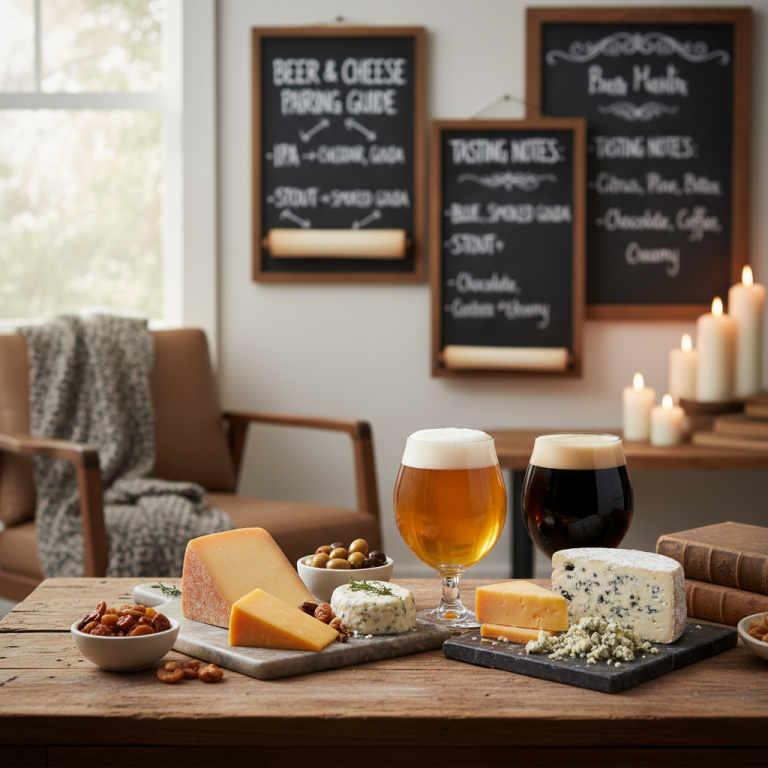
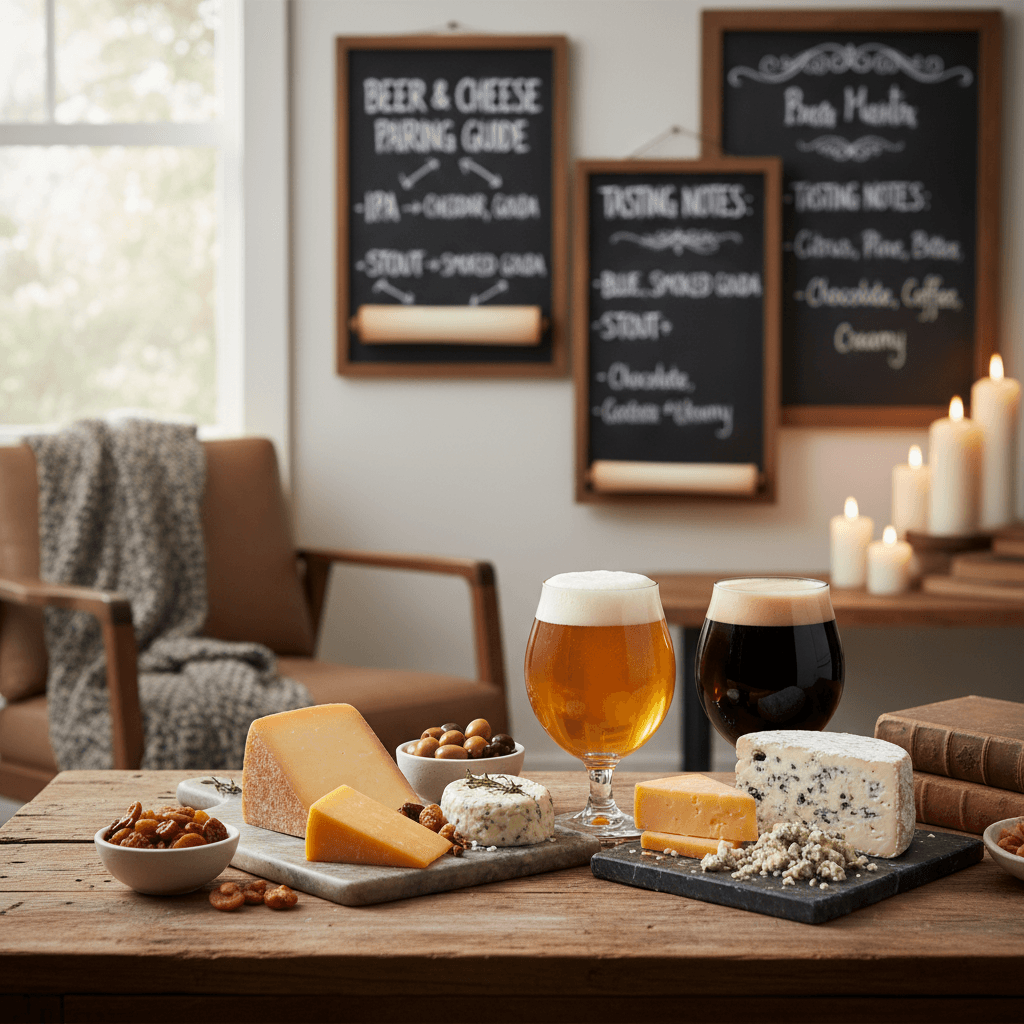
The Ultimate Guide to Beer and Cheese Pairing
Estimated Reading Time: 18 minutes
Key Takeaways
- Balance and contrast are the cornerstones of successful beer and cheese pairing.
- The carbonation, bitterness, and diverse flavor profiles of beer play unique roles in elevating cheeses.
- Understanding beer styles and their interaction with different cheeses allows for confident pairing choices.
- Craft beers and artisan cheeses offer endless opportunities for exciting, personalized pairings.
- Use pairing charts as guidance, but trust your palate above all to discover your favorites.
Table of Contents
- Introduction: Discovering the Art of Beer and Cheese Pairing
- Understanding Beer and Cheese Pairing Basics
- Best Beer with Cheese: Proven Combinations
- Cheese and Craft Beer Pairing: Artisan Excellence
- Beer Cheese Pairing Chart: Your Quick Reference Guide
- Aged Cheddar and Beer: A Classic Partnership
- Blue Cheese Beer Pairing: Taming the Bold
- Beer vs Wine with Cheese: Understanding the Differences
- Artisan Cheese Beer Pairing: Supporting Local Crafts
- Creating Your Own Pairing Adventures
- Conclusion: Your Journey Begins
- Take Your Pairing Skills Further
Introduction: Discovering the Art of Beer and Cheese Pairing
Beer and cheese pairing is quickly becoming one of the most exciting trends in the food world. As craft beer culture continues to expand, more people are discovering how combining the right beer with the perfect cheese creates an unforgettable tasting experience.
This growing trend attracts both cheese lovers and beer enthusiasts who want to explore new flavor combinations. The unique qualities of beer—its carbonation, bitterness, and diverse flavor profiles—elevate cheese in ways that surprise even experienced foodies.
When you pair beer with cheese thoughtfully, you create flavor harmony that makes both elements taste better. The bubbles in beer cleanse your palate between bites. The malt sweetness balances sharp cheese. The hop bitterness cuts through creamy textures.
This guide will teach you everything you need to know about pairing beer and cheese. You’ll learn which combinations work best, why they work, and how to create your own pairings with confidence.
Whether you’re planning a tasting party, building a cheese board, or just want to enhance your next meal, these methods will help you discover amazing flavor combinations.
For deeper insights, check out this comprehensive article and also Food52’s guide.
Understanding Beer and Cheese Pairing Basics
Beer and cheese pairing is the art of combining beers with cheeses to balance flavors and textures for an enjoyable tasting experience. This practice involves finding combinations where the flavor intensity, texture, and unique characteristics of both elements either complement or contrast each other.
Why Balance Matters
The key to successful pairing is balance. Neither the beer nor the cheese should overpower the other. When you pair a strong, sharp cheddar with a mild lager, the cheese dominates and the beer disappears. But match that same cheddar with an equally intense hoppy IPA, and both shine.
Think of pairing as a conversation between two flavors. Sometimes they agree (complementary pairing), and sometimes they debate (contrasting pairing). Both approaches work when done thoughtfully.
Texture Creates the Experience
Texture plays a crucial role in pairing success. The carbonation in beer creates a refreshing sensation that cuts through rich, creamy cheeses. Sparkling pilsners slice through soft brie like a palate cleanser. Meanwhile, creamy stouts echo the smooth texture of soft blue cheeses, creating harmony.
Consider how the beer feels in your mouth alongside the cheese. Does the bubbliness refresh you between bites? Does the body of the beer match the weight of the cheese?
How Different Beer Styles Interact
Every beer style brings unique characteristics to the pairing table:
- Lagers offer clean, crisp flavors with light carbonation
- Ales provide fruity, complex notes with varying hop levels
- Stouts deliver rich, roasted flavors with creamy textures
- IPAs bring bitter, hoppy punch with citrus or pine notes
- Wheat beers contribute refreshing, slightly sweet characteristics
Each style interacts differently with cheese types. Understanding these beer styles helps you predict which pairings will create magic.
Additional reading: CheeseSexDeath pairing basics, Food52 insights, and CraftBeer.com’s style guide.
Best Beer with Cheese: Proven Combinations
Finding the best beer with cheese depends on understanding how specific beer styles complement different cheese characteristics. Here are tried-and-true combinations that consistently deliver outstanding results.
Wheat Ale and Aged Goat Cheese
Wheat ales bring light, effervescent qualities with subtle sweetness. When paired with aged goat cheese, the beer’s bubbles and brightness balance the cheese’s tangy, earthy notes. The effervescence cuts through the cheese’s density while the gentle wheat flavors don’t compete with the goat cheese’s distinctive taste.
This pairing works because both elements have similar flavor intensities. Neither dominates, creating a balanced experience.
Sour Ale and Creamy Brie
Sour ales excel at cutting through fatty, creamy cheeses. The acidity in sour ales acts like a knife through butter when paired with brie or burrata. This contrasting pairing refreshes your palate while highlighting the butter richness of soft-ripened cheeses.
The tartness cleanses your mouth between bites, preventing the cheese from coating your tongue. Each taste feels fresh, even after multiple servings.
Pilsner and Mild Cheddar
Pilsners are subtle and light with gentle hop bitterness and clean malt character. These qualities make pilsner ideal for mild cheddar, where both the beer and cheese can express themselves without overwhelming each other. The harmony created keeps flavors in perfect balance.
This pairing demonstrates how matching intensity levels creates satisfaction. Both elements exist at similar flavor volumes.
IPA and Smoked Cheeses
The bold bitterness and hoppy character of IPAs stand up beautifully to smoked cheeses. Jalapeño cheddar, smoked gouda, and other robust cheeses need a beer with equal intensity. The hop bitterness complements smoky flavors while cutting through the cheese’s richness.
The citrus and pine notes common in IPAs also add complexity to the pairing, creating layers of flavor that evolve with each bite.
Stout and Blue Cheese
Stouts and porters are robust enough to handle the pungent, salty nature of blue cheese. The roasted malt sweetness in stouts balances and mellows blue cheese’s sharp bite. Together, they create what some describe as a “boozy milkshake” experience.
The creamy texture of stout echoes the creamy pockets in blue cheese, while the slight bitterness and coffee notes add depth to the pairing.
These combinations work because their flavors and intensities either harmonize perfectly or balance each other in complementary ways. The result enhances both the beer and cheese, making each taste better than it would alone.
Explore these further at CheeseSexDeath, Hickory Farms pairing guide, and VinePair’s beer and cheese guide.
Cheese and Craft Beer Pairing: Artisan Excellence
Cheese and craft beer pairing offers endless possibilities for exploration. Craft breweries produce diverse flavor profiles, from locally brewed farmhouse ales to rich, small-batch stouts. This variety opens up exciting pairing opportunities you won’t find with mass-market beers.
Why Craft Beer Elevates Pairing
Craft beers often feature unique ingredients, experimental brewing techniques, and bold flavor choices. These characteristics create interesting interactions with artisan cheeses. A craft brewer might add fruit, spices, or barrel-aging that transforms traditional beer styles into something extraordinary.
This creativity in brewing matches the craftsmanship in artisan cheesemaking. Both producers focus on quality, flavor complexity, and traditional methods.
Popular Craft Beer and Cheese Combinations
Farmhouse Cheddar with Pilsner
Farmhouse cheddar brings rustic, complex flavors that pair beautifully with crisp pilsners. The clean, refreshing nature of the beer complements the cheddar’s depth without competing. This pairing showcases both the cheesemaker’s and brewer’s crafts.
Smoked Gouda with Citrusy Wheat Beer
Smoked gouda’s rich, smoky character finds its match in wheat beers with citrus notes. The orange or lemon flavors in hefeweizens and witbiers brighten the smoked cheese while the beer’s gentle sweetness balances the smoke.
Local Specialties Together
Many experts follow the principle “what grows together goes together.” Pairing cheese from a local creamery with beer from a nearby brewery often creates natural harmony. The same water, climate, and regional character influence both products.
Wisdom from Brewers and Cheesemakers
Craft beer brewers and artisan cheesemakers often collaborate on pairing events. They encourage experimentation and discovery rather than following rigid rules. As they frequently note, the best pairing is the one you enjoy most.
Many brewers design specific beers with cheese pairing in mind. Some cheesemakers age their products specifically to match well with popular beer styles. This collaboration between crafts creates exciting new possibilities.
The joy of craft beer and artisan cheese pairing lies in discovery. Each new combination teaches you something about flavor, texture, and how different elements interact on your palate.
Learn more at CraftBeer.com.
Beer Cheese Pairing Chart: Your Quick Reference Guide
A beer cheese pairing chart provides instant guidance when you’re building a cheese board or planning a tasting. Use this chart as your starting point, then experiment based on your preferences.
The Essential Pairing Chart
- Aged Cheddar
Recommended Beer Styles: IPA, Pale Ale, Belgian Ale
Why it works: Strong, nutty cheddar needs equally bold beers with bitterness to cut richness - Blue Cheese
Recommended Beer Styles: Stout, Porter, Belgian Tripel
Why it works: Roasted malt sweetness balances pungent, salty flavors - Goat Cheese
Recommended Beer Styles: Wheat Ale, Saison
Why it works: Effervescent, light beers complement tangy, earthy notes - Smoked Gouda
Recommended Beer Styles: Weissbier, Hefeweizen
Why it works: Citrus and banana notes brighten smoky richness - Brie and Double Cream Cheeses
Recommended Beer Styles: Sour Ale, Light Lager
Why it works: Acidity and carbonation cut through fatty, creamy textures - Fresh Mozzarella and Ricotta
Recommended Beer Styles: Pilsner, Blonde Ale
Why it works: Delicate cheeses need subtle beers that won’t overpower
How to Use This Chart
Start by identifying your cheese. Find it on the chart and note the recommended beer styles. Purchase or pour one of those styles and taste them together. Notice how the flavors interact.
This chart represents proven combinations that work for most people. However, personal preference always matters most. Use these suggestions as a foundation, then adjust based on what you enjoy.
The chart works equally well whether you’re shopping for a party or standing in front of your refrigerator wondering what to open. It takes the guesswork out of pairing while leaving room for creativity.
Keep this reference handy during tastings. Share it with friends when hosting. Use it to educate your palate about how different flavor profiles interact.
For more charts and guides, see CheeseSexDeath, Hickory Farms, CraftBeer.com, and VinePair.
Aged Cheddar and Beer: A Classic Partnership
Aged cheddar and beer create one of the most satisfying pairings in the cheese world. The complex flavors in aged cheddar demand beers with enough character to stand alongside them.
Understanding Aged Cheddar’s Flavor Profile
Aged cheddar develops nutty, sharp, and sometimes sweet characteristics as it matures. The aging process creates crystalline protein deposits that add crunch. The sharpness intensifies, creating a bold taste that lingers on your palate.
Young cheddar tastes mild and creamy. But cheddar aged 12 months or longer transforms into something entirely different—complex, intense, and deeply satisfying.
Best Beer Matches for Aged Cheddar
India Pale Ales (IPAs)
IPAs bring the hop bitterness needed to cut through aged cheddar’s richness. The citrus, pine, or floral hop notes add complexity to the pairing. The beer’s bitterness prevents the cheese from coating your mouth, keeping each bite fresh.
The intensity levels match perfectly. Both the beer and cheese demand your attention without one overpowering the other.
Pale Ales
Pale ales offer a slightly gentler approach than IPAs. They still provide hop character but with more malt balance. This makes them excellent for aged cheddars that aren’t extremely sharp.
The caramel malt notes in pale ales can echo the sweet, nutty flavors in well-aged cheddar.
Belgian Ales
Belgian ales bring fruity esters, spicy phenols, and complex yeast character. These flavors complement aged cheddar’s nuttiness while adding layers of interest. Strong Belgian ales match the intensity of extra-aged cheddars.
The slight sweetness in Belgian ales balances cheddar’s sharpness, creating harmony between contrasting elements.
Why This Pairing Works
The success of aged cheddar and beer pairing comes from matching intensity. Aged cheddar’s bold flavors need equally bold beers. The bitterness in hoppy beers offsets the cheese’s richness. The carbonation cleanses your palate between bites.
This classic combination demonstrates the fundamental principle of beer and cheese pairing: balance intensity, consider texture, and look for flavors that either complement or pleasantly contrast.
Learn more through Food52, Hickory Farms, and VinePair.
Blue Cheese Beer Pairing: Taming the Bold
Blue cheese beer pairing challenges many people because blue cheese’s pungent, salty, and creamy nature can overwhelm timid beverages. The right beer doesn’t just survive alongside blue cheese—it enhances both elements.
The Character of Blue Cheese
Blue cheese develops its distinctive blue or green veins from specific mold cultures. These create sharp, tangy flavors with salty punch. The paste ranges from crumbly to creamy, with pockets of intense flavor throughout.
Common blue cheeses include Roquefort, Gorgonzola, Stilton, and countless artisan varieties. Each brings unique intensity levels and flavor profiles.
Stouts and Porters: The Perfect Match
Stouts and porters excel at pairing with blue cheese. The roasted malt in these dark beers brings sweetness that mellows blue cheese’s sharp bite. Coffee and chocolate notes add complexity while the creamy texture echoes the cheese.
Together, stout and blue cheese create what experts describe as a “boozy milkshake” experience. The rich, smooth combination feels indulgent and satisfying.
The slight bitterness in stouts complements the salty character in blue cheese. Neither element overwhelms—instead, they balance each other beautifully.
Belgian Tripels: The Contrasting Approach
Belgian tripels take a different approach. These strong, golden ales bring fruity esters and spicy phenols that contrast with blue cheese’s pungency. The high carbonation and alcohol content cut through the cheese’s richness.
This pairing works through contrast rather than harmony. The bright, complex beer refreshes your palate between bites of intense cheese.
Why Blue Cheese Needs Strong Beer
Blue cheese’s bold flavors destroy delicate beers. Light lagers disappear. Mild ales get lost. Blue cheese demands beers with enough character to hold their own.
The salt in blue cheese also affects pairing. Salty foods make beer taste sweeter, which is why the roasted malt sweetness in stouts works so well. The perceived sweetness balances the salt.
The creaminess in blue cheese benefits from carbonation. Bubbles cut through the fat, preventing the cheese from coating your tongue. This keeps the pairing fresh even after multiple servings.
Experimenting with Blue Cheese
Try different blue cheese varieties with various beer styles. Milder blues like Cambozola work with less intense beers. Aggressive blues like Roquefort demand the boldest stouts or strongest Belgian ales.
Notice how the beer changes the cheese’s flavor and vice versa. This interaction demonstrates the magic of thoughtful pairing.
Discover more at Food52, FarmerJoe’s guide, and VinePair.
Beer vs Wine with Cheese: Understanding the Differences
The beer vs wine with cheese debate reveals unique advantages that beer brings to pairing. While wine enjoys traditional prestige with cheese, beer offers characteristics that often enhance pairings more effectively.
Carbonation Changes Everything
Beer’s carbonation provides a refreshing quality that wine cannot match. The bubbles cleanse your palate between bites, cutting through fatty and creamy cheeses. This refreshment prevents palate fatigue during extended tastings.
Carbonation also creates a physical sensation that enhances the tasting experience. The effervescence lifts flavors and prevents rich cheeses from coating your mouth.
Bitterness as a Pairing Tool
Hop bitterness in beer offers a pairing dimension wine lacks. Bitterness cuts through richness, balances sweetness, and provides contrast that makes both beer and cheese more interesting.
Wine relies primarily on acidity and tannins for contrast. Beer has acidity plus bitterness plus carbonation—more tools for creating successful pairings.
Complex Malt-Forward Flavors
Beer’s malt profiles create flavors wine cannot replicate. Roasted malts bring coffee and chocolate notes. Caramel malts add toffee sweetness. These flavors interact with cheese in unique ways.
The malt backbone in beer can echo nutty notes in aged cheeses or provide sweet contrast to salty blues. This versatility makes beer extremely flexible for pairing.
The “Boozy Milkshake” Experience
When you pair creamy blue cheese with a rich stout, you create something wine rarely achieves—a “boozy milkshake” sensation. The creamy textures combine with sweet, roasted flavors to create an indulgent experience.
Wine with blue cheese works, but it creates a different sensation. Beer’s ability to match texture while adding complementary flavors sets it apart.
When Beer Outperforms Wine
Beer particularly excels with:
- Creamy, fatty cheeses where carbonation prevents richness overload
- Smoked cheeses where malt roastiness complements smoke
- Aged cheddars where hop bitterness balances sharpness
- Spicy cheeses where malt sweetness soothes heat
Wine still has its place, especially with certain washed-rind cheeses and some aged sheep’s milk varieties. But beer’s unique qualities make it equally worthy of consideration.
Flavor Dimensions Wine Cannot Match
Sour bacteria in certain beer styles create tartness different from wine’s acidity. Dark roasted malts bring flavors no grape can produce. Hop oils contribute aromatics completely foreign to wine.
These unique flavor dimensions expand pairing possibilities beyond what wine offers. Experimentation reveals combinations that surprise even wine devotees.
The key insight: beer and wine both pair wonderfully with cheese, but they do so differently. Understanding beer’s unique advantages helps you choose the better option for specific cheeses.
References: CheeseSexDeath, Food52, CraftBeer.com.
Artisan Cheese Beer Pairing: Supporting Local Crafts
Artisan cheese beer pairing elevates your tasting experience while supporting skilled craftspeople. Artisan cheeses made by expert cheesemakers from quality milk carry nuanced flavors that shine with thoughtfully chosen craft beers.
What Makes Cheese Artisan
Artisan cheesemakers focus on small-batch production using traditional methods. They often source milk from specific farms or their own animals. The cheesemaker’s hands-on involvement throughout the process creates unique character in every wheel.
These cheeses express terroir—the influence of local climate, pasture, and tradition. You taste the place where the cheese was made.
Pairing Regional Specialties
The principle “what grows together goes together” applies beautifully to artisan cheese and craft beer pairing. Products from the same region often share characteristics that create natural harmony.
Vermont Cheddar with Local IPA
Vermont produces exceptional aged cheddars and world-class IPAs. The sharp, complex cheddar matches the bold, hoppy character of Vermont IPAs. Both products reflect the same commitment to quality and craft.
Humboldt Fog with Saison
This iconic California goat cheese brings earthy, tangy flavors with a distinctive vegetable ash layer. Pairing it with a farmhouse saison creates rustic elegance. The beer’s peppery, fruity notes complement the cheese’s complexity.
Wisconsin Cheese with Midwest Craft Beer
Wisconsin’s cheesemaking heritage produces countless artisan varieties. Pairing these with craft beers from Wisconsin, Michigan, or Minnesota breweries celebrates regional food culture.
Benefits of Local Sourcing
Supporting local cheesemakers and breweries sustains both industries. Your purchases help small businesses thrive and preserve traditional crafts.
Local products also offer freshness advantages. Cheese travels shorter distances, arriving in better condition. Breweries can distribute beer that’s fresher and more vibrant.
Discovering Artisan Pairings
Visit local cheese shops and ask for recommendations. Many cheesemongers understand beer pairing and can suggest perfect matches. Attend brewery and creamery collaboration events where producers showcase their products together.
Farmers markets often feature both artisan cheese and craft beer vendors. Build relationships with producers who can educate you about their products and suggest pairings.
The Craft Connection
Artisan cheesemakers and craft brewers share similar values: quality over quantity, respect for tradition, willingness to experiment, and pride in their work. This shared philosophy creates products that naturally pair well together.
When you enjoy artisan cheese with craft beer, you’re participating in a celebration of craftsmanship. You’re tasting the dedication, skill, and creativity of people who love what they do.
This connection between maker and consumer adds meaning to your tasting experience. Each bite and sip represents someone’s passion and expertise.
Further reading: CheeseSexDeath, CraftBeer.com.
Creating Your Own Pairing Adventures
Now that you understand the principles, it’s time to create your own pairings. Start with the guidelines in this guide, then trust your palate to discover what you enjoy.
Building a Tasting Flight
Create a progression from mild to intense:
- Start with light cheese and beer (fresh mozzarella with pilsner)
- Move to medium intensity (aged gouda with amber ale)
- Progress to bold combinations (aged cheddar with IPA)
- Finish with the most intense (blue cheese with stout)
This progression prevents strong flavors from overwhelming your palate early in the tasting.
Tasting Technique
Take a bite of cheese and let it coat your mouth. Notice the flavors and texture. Then sip the beer, allowing it to mix with the cheese. Notice how the flavors change and interact.
Pay attention to:
- Does the beer refresh your palate or add heaviness?
- Do the flavors complement or contrast?
- Does one element overpower the other?
- What new flavors emerge from the combination?
Keeping Notes
Record your pairings and impressions. Note which combinations excited you and which fell flat. Over time, you’ll develop an understanding of your preferences.
Your notes become a personal reference guide more valuable than any chart. They reflect your unique palate and experiences.
Inviting Friends
Pairing becomes more fun with company. Host a tasting where everyone brings a cheese or beer to share. Discuss your impressions and learn from each other’s perspectives.
Group tastings reveal how differently people experience the same pairings. What tastes perfect to one person might not work for another—and that’s okay.
Conclusion: Your Journey Begins
Beer and cheese pairing offers endless opportunities for delicious discovery. The combinations in this guide provide proven starting points, but your personal exploration creates the real magic.
Remember the key principles:
- Match intensity levels for harmony
- Use contrast to create excitement
- Consider texture alongside flavor
- Let carbonation work as your palate cleanser
- Balance bitterness, sweetness, and salt
- Trust your own preferences above all rules
Experimentation leads to the best discoveries. Try combinations that sound unusual. Revisit classics with a fresh perspective. Pay attention to what you enjoy and what leaves you disappointed.
The perfect pairing is the one that brings you joy. Whether you follow expert recommendations or create wild combinations, the goal is enjoyment and discovery.
Share your experiences with others. Join the growing community of people who appreciate the art of pairing beer and cheese. Your unique perspective adds to the collective knowledge.
Most importantly, have fun. Beer and cheese pairing shouldn’t feel intimidating or pretentious. It’s about enhancing simple pleasures and discovering new favorites.
Start tonight with whatever cheese and beer you have available. Taste them together. Notice what happens. Your education has already begun.
Further inspiration: Food52 and CraftBeer.com.
Take Your Pairing Skills Further
Ready to dive deeper into the world of food and beverage pairing? Subscribe to our newsletter for more expert guides on pairing beer, wine, and spirits with your favorite foods.
Explore Related Topics
- Wine and Cheese Pairing Basics: Discover how wine creates different interactions than beer
- Building the Perfect Cheese Board: Learn arrangement, selection, and presentation techniques
- Craft Beer Styles Explained: Understand the characteristics that make each style unique
- Hosting a Beer and Cheese Tasting Party: Tips for creating memorable experiences for your guests
Share Your Favorites
We want to hear about your beer and cheese pairing adventures! Leave a comment below sharing:
- Your favorite unexpected pairing combination
- Local artisan cheeses and craft beers from your area
- Questions about specific cheeses or beer styles
- Photos of your cheese boards and tasting flights
Join the conversation and learn from fellow pairing enthusiasts. Your insights might inspire someone else’s next great discovery.
Start exploring today, and raise a glass to the wonderful world of beer and cheese pairing. Cheers!
Learn more at OneMind Brewing’s Food & Beer Pairing Guide.


