
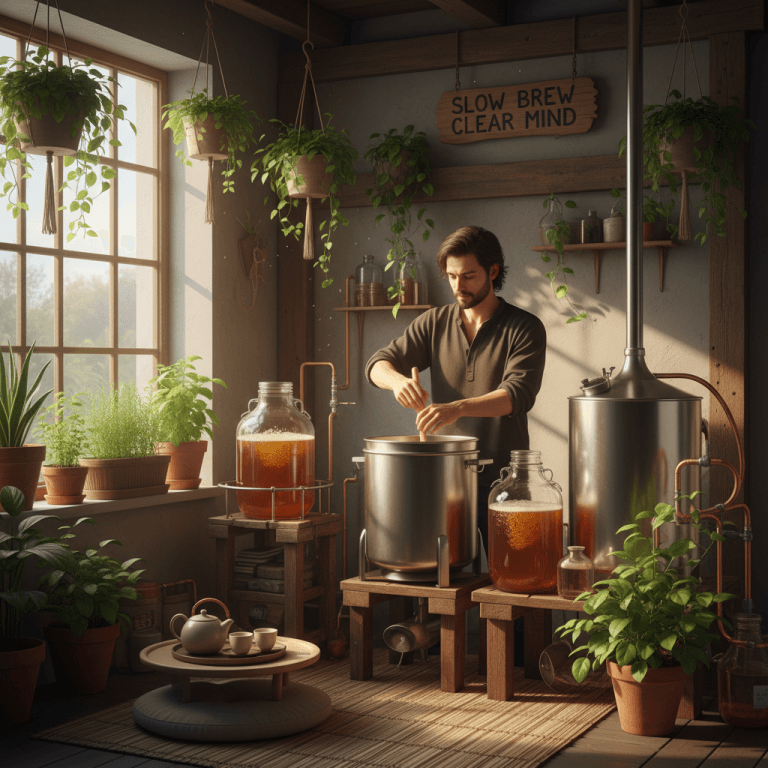
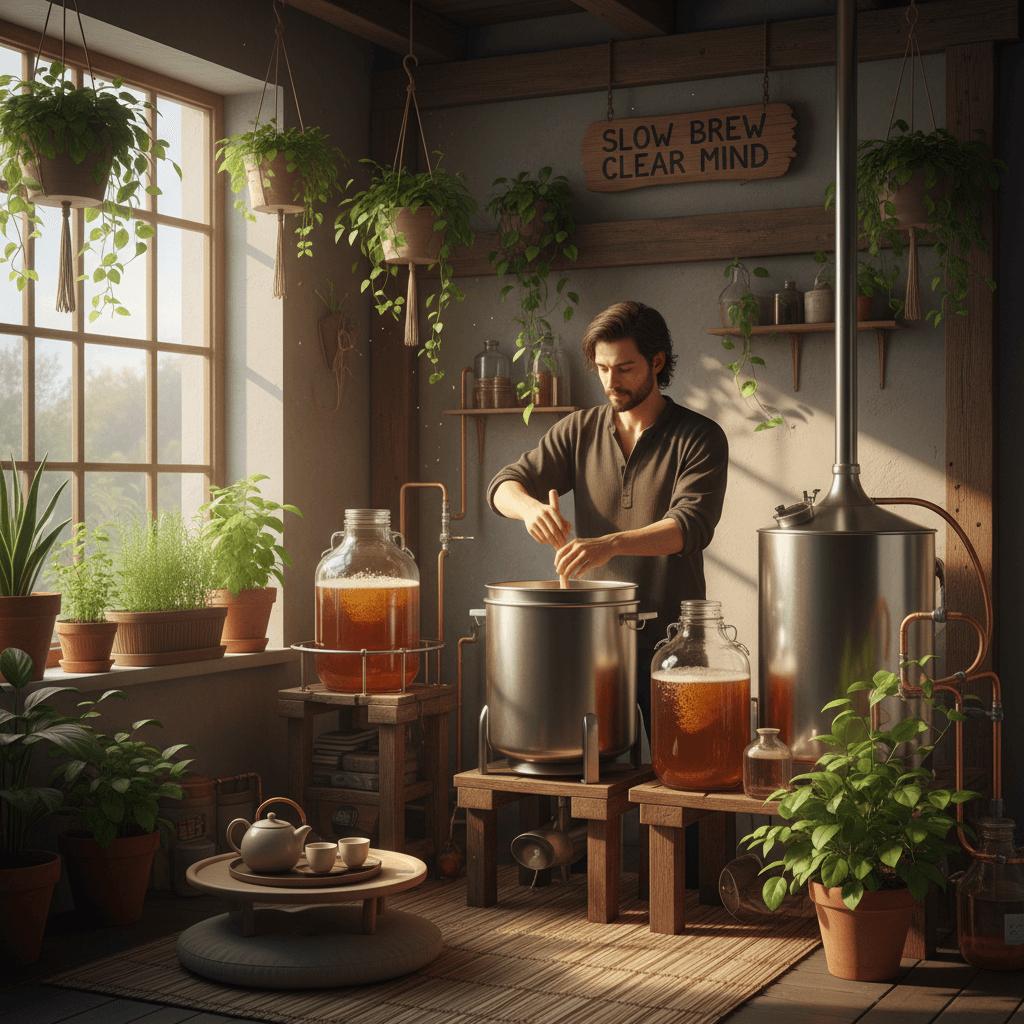
Mindful Homebrewing Practices: A Guide to Brewing Beer with Intention and Awareness
Estimated Reading Time: 18 minutes
Key Takeaways
- Mindful brewing transforms routine tasks into rich, sensory experiences filled with intention.
- Sustainability and ethics in brewing support both the environment and local communities.
- Meditative techniques during brewing and fermentation cultivate calm focus and improve beer quality.
- Intentional consumption deepens appreciation and promotes moderation.
- Building rituals around brewing and drinking fosters connection, presence, and meaning.
Table of Contents
- Introduction
- Understanding Mindful Homebrewing
- The Contemplative Beer Brewing Process
- Meditation and Craft Beer Making
- Intentional Brewing Rituals
- Sustainable DIY Beer Creation
- Ethical Homebrewing Methods
- Mindfulness in Fermentation
- Meditative Brewing Techniques
- Conscious Craft Beer Culture
- Intentional Beer Consumption Practices
- Sustainable Homebrew Ethics
- Contemplative Drinking Rituals
- Conclusion
- Share Your Journey
Introduction
Mindful homebrewing practices are transforming the craft beer community, offering brewers a way to merge their passion for creating exceptional beer with intentional, sustainable, and contemplative living. This emerging trend invites homebrewers to slow down, pay attention, and infuse every stage of the brewing process with awareness and purpose.
Integrating mindfulness and sustainability into brewing goes far beyond simply following a recipe. It represents a deeper cultural shift where enthusiasts seek to connect their hobbies with principles of presence, environmental responsibility, and personal growth. Whether you’re measuring grains, monitoring fermentation, or savoring your first sip, mindful homebrewing practices encourage you to be fully present in each moment.
This approach reflects a wider cultural movement where people look to infuse their everyday activities, especially creative pursuits like craft brewing, with mindfulness and eco-consciousness. By doing so, brewers deepen their connection to both their craft and the planet, transforming a simple hobby into a meaningful practice that nourishes the mind, supports the environment, and creates exceptional beer.
Learn more about this approach at DIY Brewing as a Mindfulness Exercise.
Understanding Mindful Homebrewing
Mindful homebrewing practices center on brewing beer with awareness and intention, drawing from broader mindfulness philosophies that emphasize present-moment attention. Rather than rushing through the steps or treating brewing as a mechanical task, this approach invites you to engage fully with every aspect of the process.
At its core, mindful brewing means paying complete attention to what you’re doing right now. When you’re measuring malted barley, you focus entirely on the texture, color, and aroma. When you’re adding hops, you notice their distinct fragrance and the way they feel in your hands. This sensory engagement transforms routine brewing tasks into rich, meaningful experiences.
Awareness and intention enhance the brewing experience in several important ways:
- They help you catch potential issues early by noticing subtle changes
- They reduce stress by anchoring you in the present moment
- They increase enjoyment by heightening your sensory experience
- They foster creativity by creating mental space for inspiration
- They build a deeper appreciation for ingredients and the natural processes at work
The practice of intentional brewing encourages you to approach each batch as a form of active meditation. You set aside distractions, focus your attention, and allow the rhythmic tasks of brewing to quiet your mind. The repetitive actions—stirring, measuring, monitoring—become opportunities for contemplation rather than items to check off a list.
This mindful approach to homebrewing and robotic process automation couldn’t be more different. While automation seeks efficiency, mindfulness seeks presence. While speed is the goal of mechanization, awareness is the goal of contemplative brewing.
Explore the topic further at DIY Brewing as a Mindfulness Exercise.
The Contemplative Beer Brewing Process
Contemplative beer brewing emphasizes attention to detail during every phase of the brewing process. Unlike traditional brewing methods that might prioritize speed and efficiency, this mindful approach encourages you to savor each task and maintain present-moment awareness throughout.
The key differences between conventional and contemplative brewing lie in the quality of attention you bring to the work:
Traditional Brewing:
- Focus on completing tasks quickly
- Treating brewing as a series of mechanical steps
- Multitasking or thinking about other things while brewing
- Viewing brewing primarily as a means to an end
Contemplative Brewing:
- Savoring each step of the process
- Maintaining full attention on current tasks
- Engaging all senses in the experience
- Appreciating brewing as valuable in itself
When you practice presence during brewing, you notice things you might otherwise miss. You observe the exact moment when the hot break forms during the boil. You detect subtle shifts in aroma as different hop additions steep. You feel the changing texture of the wort as sugars dissolve and proteins coagulate.
This heightened awareness brings practical benefits. By paying close attention, you’re more likely to maintain proper temperatures, achieve better extraction, and produce higher-quality beer. But the benefits extend beyond the final product. Many mindful brewers report experiencing deeper calm and satisfaction during brew days compared to when they rush through the process.
The contemplative approach transforms brewing from a goal-oriented activity into something more meditative. Rather than constantly thinking ahead to bottling day or worrying about how the beer will turn out, you anchor your attention in what’s happening right now—the sound of the rolling boil, the steam rising from the kettle, the gradual color change as specialty grains steep.
Discover more at DIY Brewing as a Mindfulness Exercise.
Meditation and Craft Beer Making
The intersection of meditation and craft beer making offers homebrewers a powerful way to enhance focus, reduce stress, and tap into deeper creativity. Brewing naturally lends itself to meditative practice because it involves repetitive, rhythmic tasks that can anchor your attention in the present moment.
Incorporating meditation into your brewing routine doesn’t require extensive training or complicated techniques. Simple practices can significantly enhance your experience:
Focused Breathing Before Brewing:
Before you begin measuring ingredients or heating water, take five minutes to sit quietly and focus on your breath. Notice the sensation of air entering and leaving your body. This simple practice helps clear mental clutter and prepares you to give your full attention to brewing.
Setting Intentions:
At the start of each brew session, take a moment to set a clear intention. This might be as simple as “I will stay present with each task” or “I will appreciate the process regardless of the outcome.” Your intention serves as an anchor, helping you maintain mindful awareness throughout the day.
Mindful Pauses Between Steps:
Build brief pauses into your brewing process. After you’ve added ingredients or completed a step, take three conscious breaths before moving to the next task. These micro-meditations help prevent the scattered, rushed feeling that often accompanies complex projects.
Body Scan During Waiting Periods:
During longer stages like mashing or boiling, practice a simple body scan. Notice any tension in your shoulders, jaw, or hands. Consciously relax these areas while remaining attentive to your brewing.
The benefits of combining meditation and homebrewing extend beyond the brew day itself. Regular practitioners report:
- Reduced anxiety about outcomes
- Greater patience during fermentation and conditioning
- Enhanced ability to troubleshoot problems calmly
- Increased enjoyment of the entire process
- Deeper appreciation for the beer they create
Brewing becomes an active meditation when you fully engage with the sensory experience. The sound of grain crushing, the warmth of steam on your face, the changing colors during the boil—each sensation offers an opportunity to practice presence and cultivate mental well-being.
Explore this further at DIY Brewing as a Mindfulness Exercise.
Intentional Brewing Rituals
Intentional brewing rituals transform homebrewing from a simple hobby into a meaningful, reflective practice. These rituals create structure and significance around your brewing sessions, helping you maintain awareness and cultivate a deeper connection to your craft.
Rituals differ from habits in an important way. Habits are actions you perform automatically, often without much thought. Rituals, by contrast, are deliberate practices performed with conscious intention and awareness. They mark brewing as special time set apart from ordinary activities.
Examples of Intentional Brewing Rituals:
Setting a Purposeful Intention:
Before starting each batch, take a few moments to articulate why you’re brewing this particular beer. Perhaps you’re creating something to share with friends, experimenting with a new technique, or simply engaging in self-care through creative expression. Stating this intention—either silently or aloud—gives your brewing session deeper meaning.
Gratitude Practices:
As you handle each ingredient, pause to appreciate its journey to your hands. Consider the farmers who grew the barley, the hop growers who tended their bines, the yeast laboratory that cultured your strain. This gratitude practice connects you to the larger community that makes brewing possible and counters the tendency to take ingredients for granted.
Journaling Observations:
Keep a brewing journal that goes beyond standard recipe notes. Record not just temperatures and times, but also what you noticed, how you felt, and any insights that arose during the process. This reflective practice deepens learning and creates a meaningful record of your brewing journey.
Creating a Brewing Space:
Designate your brewing area as intentional space. You might light a candle, play particular music, or arrange your equipment in a way that feels harmonious. These environmental cues signal to your mind that this time is different—set aside for focused, mindful work.
Opening and Closing Rituals:
Begin each brew day with a simple ritual that marks the transition into brewing time—perhaps taking three deep breaths, reading an inspiring quote about craft or patience, or simply stating “I am ready to begin.” Similarly, close your session by acknowledging your efforts, cleaning your space mindfully, and consciously transitioning back to other activities.
These intentional brewing rituals don’t need to be elaborate or time-consuming. Even simple practices, performed consistently with awareness, can significantly enhance your experience and transform brewing into a meditative and reflective practice.
Learn more: DIY Brewing as a Mindfulness Exercise.
Sustainable DIY Beer Creation
Sustainable DIY beer creation addresses the environmental impact of brewing choices, encouraging homebrewers to minimize their ecological footprint while crafting exceptional beer. Every decision you make—from ingredient selection to waste management—offers an opportunity to brew more responsibly.
The environmental considerations in homebrewing are significant. Water usage, energy consumption, ingredient sourcing, and waste production all contribute to your brewing’s overall impact. Mindful brewers recognize these factors and actively work to reduce harm while maintaining quality.
Practical Tips for Sustainable Homebrewing:
Sourcing Ingredients Ethically:
Choose organic ingredients whenever possible to support farming practices that protect soil health and biodiversity. Look for suppliers who prioritize environmental stewardship and can provide information about their growing or production methods. Local ingredients reduce transportation emissions and support regional agriculture.
Minimizing Water Waste:
- Capturing and reusing cooling water for cleaning or garden irrigation
- Using no-rinse sanitizers that eliminate the need for final rinses
- Cleaning equipment immediately to prevent the need for excessive scrubbing
- Installing flow restrictors on hoses to prevent unnecessary water use
Energy Efficiency:
- Insulating your mash tun to maintain temperatures with less heat input
- Using appropriately sized burners or heating elements
- Brewing smaller batches when appropriate
- Taking advantage of ambient temperature for fermentation when possible
Composting Spent Grains:
Spent grain represents the largest waste stream in homebrewing, but it’s also valuable organic material. Compost it to create nutrient-rich soil amendment, offer it to local farmers for animal feed, or incorporate it into baking recipes. Never simply discard this resource when it can be repurposed.
Reusing and Recycling:
Commit to reusing bottles, kegs, and other equipment indefinitely rather than choosing single-use options. When equipment finally reaches end-of-life, recycle materials properly. Consider purchasing used equipment to extend its useful life and reduce demand for new manufacturing.
Supporting Ethical Suppliers:
Research your ingredient and equipment suppliers. Choose businesses that demonstrate genuine commitment to environmental responsibility through concrete practices like renewable energy use, waste reduction programs, and transparent supply chains.
Sustainable DIY beer creation recognizes that great beer doesn’t require environmental harm. By making conscious choices about resources and waste, you can brew excellent beer while honoring your commitment to the planet.
More details at DIY Brewing as a Mindfulness Exercise.
Ethical Homebrewing Methods
Ethical homebrewing methods extend beyond environmental sustainability to encompass social responsibility and community impact. This approach recognizes that every ingredient choice reflects values and affects real people, making mindful selection an important practice.
Using Local Ingredients:
Whenever possible, source ingredients from local producers. Local grains, hops, honey, fruit, and other additions reduce transportation emissions while supporting regional economies. Many areas now have local maltsters and hop growers who provide excellent ingredients that also tell a story about your region.
Local sourcing offers additional benefits beyond ethics. Ingredients are typically fresher, you can often visit producers to learn about their practices directly, and your beer becomes an expression of place—a concept called terroir that wine makers have long appreciated.
Fair-Trade and Ethical Certifications:
For ingredients that can’t be sourced locally—certain specialty malts, exotic hops, spices, or coffee additions—seek fair-trade or ethically certified options. These certifications indicate that producers receive fair compensation and work under humane conditions.
While fair-trade certified brewing ingredients aren’t always available, you can:
- Choose suppliers who can document their sourcing practices
- Support companies with transparent supply chains
- Prioritize businesses that pay living wages to their workers
- Select ingredients from cooperatives or worker-owned operations
Community Connection:
- Purchase from community farmers markets when possible
- Build relationships with local grain farmers and hop growers
- Share your brewing knowledge and finished beer with neighbors
- Support local brewing clubs and educational initiatives
- Participate in community events that celebrate local food and drink
Reflecting on Impact:
Mindful ingredient choice requires regularly considering the social and ecological impacts of your decisions. Before purchasing, ask yourself:
- Where did this ingredient originate?
- Who grew, harvested, or produced it?
- What were their working conditions and compensation?
- What environmental practices were used in production?
- Could I choose a more ethical alternative?
This reflection doesn’t mean achieving perfection—few homebrewers can source everything ideally. Instead, it means making informed choices where possible and continually learning about better options.
Ethical homebrewing methods signal a commitment to both local communities and the global environment. They recognize that beer connects you to farmers, workers, and ecosystems around the world, making every batch an opportunity to support practices that align with your values.
Further reading: DIY Brewing as a Mindfulness Exercise.
Mindfulness in Fermentation
Mindfulness in fermentation involves bringing present-moment awareness to one of brewing’s most crucial yet passive phases. While fermentation happens largely without your intervention, maintaining mindful attention throughout this stage deepens your understanding and can influence the final product’s quality.
Fermentation offers unique opportunities for contemplative practice. Unlike the active work of brew day, fermentation invites a different kind of presence—patient observation without interference. This mirrors fundamental mindfulness teachings about witnessing processes without constantly trying to control outcomes.
Practicing Presence During Fermentation:
Daily Observation:
Visit your fermenting beer each day, but resist the urge to constantly check gravity or disturb the process. Instead, practice mindful observation. Notice the changing aroma, the evolution of krausen formation, the intensity of bubbling in the airlock. These subtle changes tell the story of transformation happening within.
Sensory Engagement:
- Smell the CO2 being released (never taste until fermentation is complete)
- Listen to the sounds of active fermentation
- Observe color changes and clarity development
- Feel the temperature of the fermentation vessel
- Notice how these sensory experiences change over days and weeks
Recognizing Signs of Healthy Fermentation:
Mindful attention helps you identify indicators of successful fermentation:
- Vigorous activity beginning within 12-24 hours of pitching yeast
- Pleasant, beer-appropriate aromas developing
- Gradual decrease in activity as fermentation completes
- Clearing as yeast settles out
- Stable temperature throughout the process
Conversely, presence allows you to detect potential issues early:
- Off-odors that might indicate contamination or stress
- Stuck fermentation with activity stopping prematurely
- Temperature fluctuations that could affect flavor
- Unusual appearances that warrant investigation
Patient Acceptance:
Mindfulness in fermentation teaches valuable lessons about patience and acceptance. You cannot rush the process. Yeast works on its own timeline, converting sugars to alcohol and developing flavors according to natural rhythms. Learning to accept this—to wait without anxiety—cultivates equanimity that extends beyond brewing.
Adjusting Conditions Mindfully:
When intervention is necessary—adjusting temperature, rousing yeast, or addressing stuck fermentation—approach these actions with care and intention. Consider why you’re intervening, whether it’s truly necessary, and what the gentlest effective approach might be.
Fermentation enriched by mindfulness tends to produce better results. When you pay close attention without constant interference, you learn to recognize optimal conditions and develop intuition about when processes are progressing well versus when problems need addressing.
For additional insights visit DIY Brewing as a Mindfulness Exercise.
Meditative Brewing Techniques
Meditative brewing techniques incorporate specific mind-calming practices into the physical work of brewing. These techniques transform routine tasks into opportunities for presence, focus, and inner quiet while producing excellent beer.
Rhythmic Stirring:
Stirring mash, wort, or additions can become a meditative practice when performed with awareness and rhythm. Rather than stirring hastily or distractedly, move your paddle or spoon in slow, deliberate circles. Match your breath to the rhythm—perhaps one breath per rotation. Notice the resistance of the liquid, the changing patterns on the surface, the gradual incorporation of ingredients.
This rhythmic movement naturally quiets mental chatter. The repetitive physical action anchors attention in the present, similar to walking meditation or other movement-based mindfulness practices.
Mindful Measurement:
Measuring ingredients offers an opportunity for precision-focused awareness. Rather than quickly dumping grain or hops, slow down. Feel the weight of ingredients in your hands. Notice colors, textures, and aromas. Check your scale or measuring device carefully, bringing full attention to accuracy.
This careful measurement has practical benefits—better consistency between batches—while also serving as a concentration practice. Each measurement becomes an exercise in present-moment attention.
Sensory Focus Exercises:
- During mashing, close your eyes and focus entirely on the aroma of sweet grains
- During the boil, listen to the changing sounds as wort transitions from gentle simmer to rolling boil
- When adding hops, focus on touch and smell, noticing subtle differences between varieties
- During transfers, watch the flow of liquid with complete attention
Breathing Practices:
- Take three deep breaths before beginning each new step
- Practice box breathing (inhale for 4 counts, hold for 4, exhale for 4, hold for 4) during waiting periods
- Match the timing of additions to your breath cycle
- Notice if you’re holding your breath during challenging tasks and consciously relax
Silent Brewing Sessions:
Occasionally brew in complete silence. Turn off music, podcasts, or other background noise. Don’t take phone calls or engage in conversation. Experience brewing in quiet, attending to the natural sounds of the process itself—water heating, grain settling, bubbles rising.
Personal Practices:
The most meaningful meditative brewing techniques are often those you discover yourself. Experiment with different approaches and notice which ones resonate. Perhaps you find that cleaning equipment becomes meditative when done with care and attention. Maybe you develop a personal pre-brewing ritual that centers your mind.
Trust your own experience and creativity. Mindfulness isn’t about following rigid rules but about finding authentic ways to bring awareness and presence to activities that matter to you.
The goal of meditative brewing techniques isn’t to force your mind into some special state. Instead, these practices invite natural calm and focus that arise when you’re fully engaged with meaningful work. By exploring approaches that resonate personally, you develop a brewing practice that nourishes both your skill and your spirit.
Conscious Craft Beer Culture
Conscious craft beer culture represents a growing movement within the brewing community that prioritizes transparency, sustainability, and genuine connection over pure profit or rapid growth. This cultural shift responds to consumer desire for responsible, mindful products and reflects broader changes in how people relate to what they consume.
The emergence of this conscious approach marks a significant evolution in craft brewing. Early craft beer culture focused primarily on flavor, variety, and independence from large corporations. While these values remain important, conscious craft beer culture adds layers of environmental responsibility, social justice, and community engagement.
Key Characteristics of Conscious Craft Beer Culture:
Transparency:
Conscious breweries openly share information about ingredient sourcing, production methods, business practices, and environmental impact. This transparency builds trust and allows consumers to make informed choices aligned with their values.
Sustainability Commitment:
- Renewable energy use in production facilities
- Water conservation and recycling programs
- Waste reduction and composting initiatives
- Sustainable packaging choices
- Carbon footprint measurement and reduction
Community Focus:
These breweries view themselves as community members first and businesses second. They support local causes, create gathering spaces, provide living wages, and actively work to make their communities better places.
Inclusivity:
Conscious craft beer culture actively addresses the brewing industry’s historical lack of diversity. Inclusive breweries welcome people of all backgrounds, actively work against discrimination, and create spaces where everyone feels comfortable.
Quality Over Growth:
Rather than pursuing endless expansion, conscious breweries often prioritize making excellent beer, treating workers well, and serving their communities—even if this means growing more slowly or remaining small.
Examples in Practice:
Breweries and communities worldwide exemplify these values. Some operate as worker cooperatives or benefit corporations with social missions written into their structure. Others power facilities with solar energy, donate percentages of profits to environmental causes, or source ingredients exclusively from organic farms.
Homebrewers contribute to conscious craft beer culture by:
- Applying these same principles in their own brewing
- Supporting breweries that demonstrate genuine commitment to these values
- Participating in homebrew clubs that emphasize education, community, and responsibility
- Sharing knowledge and resources rather than guarding secrets
- Welcoming newcomers and fostering inclusive brewing spaces
This cultural movement recognizes that beer can be more than a commodity. When produced and consumed consciously, it becomes a vehicle for community building, environmental stewardship, and meaningful human connection.
Learn more at DIY Brewing as a Mindfulness Exercise.
Intentional Beer Consumption Practices
Intentional beer consumption practices transform how you experience and appreciate the beer you’ve mindfully created. Rather than drinking quickly or distractedly, these practices encourage you to slow down, engage your senses fully, and savor each aspect of your homebrewed beer.
Mindful drinking stands in stark contrast to unconscious consumption. When you drink without attention, you miss subtle flavors, fail to notice when you’ve had enough, and reduce beer to mere fuel for inebriation. Intentional consumption, by contrast, treats each glass as an opportunity for full sensory engagement and appreciation.
Mindful Tasting Techniques:
Visual Appreciation:
Before tasting, really look at your beer. Hold it to the light and observe:
- Color depth and hue
- Clarity or intentional haziness
- Carbonation level and bubble size
- Head formation, texture, and retention
- The way light plays through the liquid
Aroma Exploration:
Spend time with your beer’s aroma before taking the first sip:
- Notice the immediate impression
- Swirl gently and smell again, noting what changes
- Identify specific aromas—fruity, malty, hoppy, spicy
- Consider how aromas evolve as the beer warms slightly
Flavor Attention:
When you do taste, engage fully:
- Take a small sip and let it coat your entire palate
- Notice flavor progression—what you taste first, middle, and finish
- Identify specific flavors and how they interact
- Pay attention to mouthfeel, body, and carbonation sensation
- Notice the aftertaste and how long flavors persist
Pacing and Moderation:
Intentional consumption naturally promotes moderation. When you’re fully present with each sip, you:
- Recognize satisfaction sooner
- Notice physical effects more clearly
- Feel less compelled to drink quickly
- Enjoy smaller quantities more thoroughly
Research shows that mindful drinking is linked to improved physical and mental well-being. Drinkers who practice awareness are less likely to overconsume and more likely to maintain a healthy relationship with alcohol. They report greater enjoyment from smaller amounts and better ability to recognize when they’ve had enough.
Creating Conducive Environments:
- Choosing appropriate glassware that enhances aroma and appearance
- Setting aside distractions when tasting your homebrew
- Drinking in comfortable settings that encourage relaxation
- Sharing beer in contexts that promote conversation and connection
- Pairing beer with food mindfully to explore complementary flavors
Reflection and Appreciation:
As you drink beer you’ve brewed, reflect on the entire journey:
- The effort invested in brewing
- The time spent waiting through fermentation
- The ingredients and their origins
- The skill and knowledge you’ve developed
- The simple joy of creating something with your own hands
This reflection deepens appreciation and connects the drinking experience back to the mindful brewing practices that created it.
Further reading:
Mindful Drinking by Luke Allen, PhD
Monument Resources on Mindful Drinking
Sustainable Homebrew Ethics
Sustainable homebrew ethics merge environmental responsibility with mindful consumption, creating a comprehensive framework for brewing that honors both the planet and personal well-being. These ethics extend through the entire brewing and drinking cycle, from ingredient choice to final consumption.
Core Principles:
Continuous Reflection:
Ethical homebrewing requires ongoing examination of practices. Regularly ask yourself:
- Are my current methods the most sustainable available?
- Have new, better options emerged?
- Where can I improve my environmental impact?
- How do my consumption patterns align with my values?
Ingredient Responsibility:
Beyond choosing organic or local ingredients, sustainable ethics involve understanding entire supply chains. This means researching where ingredients originate, how they’re produced, and what practices suppliers follow. It also means being willing to pay fair prices that support ethical production.
Resource Conservation:
- Track your water and energy usage
- Set goals for gradual reduction
- Share conservation strategies with other brewers
- Advocate for sustainable practices in the broader brewing community
Waste Minimization:
- Commit to a zero-waste ideal, even if perfect achievement isn’t possible
- Compost all organic waste
- Reuse or recycle all packaging and equipment
- Choose products with minimal packaging
- Repair equipment rather than replacing when feasible
- Share excess ingredients or equipment rather than discarding
Responsible Consumption:
- Practice moderation aligned with health guidelines
- Remain mindful of alcohol’s effects on body and mind
- Never drink and drive
- Model responsible consumption for others
- Recognize when drinking becomes problematic and seek help if needed
Knowledge Sharing:
- Share techniques and resources freely
- Mentor new brewers in sustainable practices
- Participate in community education
- Support organizations working toward sustainable brewing
Advocacy:
- Support policies that encourage sustainable agriculture
- Advocate for renewable energy and water conservation
- Choose suppliers based on their environmental practices
- Encourage brewing organizations to prioritize sustainability
These principles recognize that homebrewing exists within larger ecological and social systems. Your choices—though small individually—contribute to larger patterns of consumption, production, and environmental impact. Sustainable homebrew ethics take this responsibility seriously while maintaining the joy and creativity that make brewing rewarding.
Learn more at DIY Brewing as a Mindfulness Exercise.
Contemplative Drinking Rituals
Contemplative drinking rituals enhance your beer experience while reinforcing the mindfulness principles that guided your brewing. These intentional practices transform drinking from mere consumption into an opportunity for reflection, gratitude, and presence.
Creating Meaningful Rituals:
The Pause:
Before taking your first sip, pause for a moment of appreciation. This simple act—stopping for just three conscious breaths—shifts you from hurried consumption to mindful enjoyment. Use this pause to transition from whatever you were doing previously into a state of presence.
Gratitude Reflection:
As you hold your glass, consciously appreciate the journey that brought this beer into existence:
- The natural processes that created each ingredient
- Your own effort and time invested
- The knowledge passed down from countless brewers before you
- The simple gift of being able to create something delicious
This gratitude practice deepens satisfaction and connects you to the larger community and history of brewing.
Sensory Opening:
Begin each drinking session by deliberately engaging your senses in sequence:
- First, observe the beer’s appearance for 10-15 seconds
- Next, close your eyes and explore the aroma for 15-20 seconds
- Finally, take your first mindful sip, noting all sensations
This ritual sensory exploration maximizes appreciation and anchors your attention in present experience.
Conversation and Connection:
When sharing homebrew with others, create rituals that encourage meaningful interaction:
- Ask each person to share one thing they appreciate
- Discuss the brewing process and what went into creating this beer
- Encourage guests to describe what they’re tasting
- Use beer as a catalyst for genuine conversation rather than mere background
Reflection Between Sips:
Rather than drinking continuously, pause between sips to reflect:
- Notice how flavors evolve as the beer warms
- Consider what you might brew differently next time
- Appreciate how this beer represents your growth as a brewer
- Simply sit in quiet enjoyment
Closing Acknowledgment:
When you finish your beer, take a moment to acknowledge the experience. This might be as simple as a brief thought of thanks or a conscious recognition that this particular beer is complete. This closing marks an intentional end, preventing the automatic reach for another.
Setting and Atmosphere:
Support contemplative drinking through thoughtful environmental choices:
- Choose settings free from excessive distractions
- Use lighting that creates a calm, comfortable atmosphere
- Select music (or silence) that encourages presence
- Arrange seating that facilitates conversation and connection
Personal Variations:
Develop rituals that resonate personally. Perhaps you always drink your first homebrew from a batch in a particular glass. Maybe you keep a tasting journal where you record not just flavor notes but also reflections on the brewing journey. You might create a tradition of sharing each new batch with a specific friend or family member.
The most meaningful contemplative drinking rituals are those that authentically connect to your own values and experiences. Experiment with different approaches, notice what enhances your appreciation, and gradually develop practices that transform drinking into a truly mindful experience.
These rituals tie directly back to mindfulness principles by encouraging present-moment awareness, gratitude, and intentional action. They complete the circle that began when you first set your intention to brew mindfully, creating continuity between production and consumption.
Find out more at Mindful Drinking by Luke Allen, PhD.
Conclusion
Mindful homebrewing practices offer a powerful way to transform your relationship with brewing and beer. By integrating awareness, intention, and sustainability into every stage—from ingredient selection through consumption—you create an experience that nourishes far more than just your palate.
The principles explored throughout this guide work together to create a holistic approach:
- Presence and awareness during brewing deepen your connection to the craft
- Contemplative techniques transform routine tasks into meditative practice
- Sustainable and ethical choices honor your commitment to the environment and community
- Intentional rituals add meaning and structure to both brewing and drinking
- Mindful consumption completes the circle by savoring what you’ve created with full attention
The importance of mindful homebrewing practices in brewing culture extends beyond individual benefit. When more brewers embrace these principles, the entire community shifts toward greater consciousness, responsibility, and connection. This collective movement creates positive change in agricultural practices, environmental impact, and how people relate to alcohol.
You don’t need to implement every practice described here immediately. Start with one or two that resonate most strongly. Perhaps you’ll begin by simply pausing for three conscious breaths before each brew session. Maybe you’ll commit to sourcing one ingredient locally or spending a few minutes in gratitude before drinking your homebrew.
As you continue your brewing journey, let mindfulness and sustainability guide your development. Allow these principles to inform not just how you brew, but how you share your beer, participate in the brewing community, and think about craft and creativity in all areas of life.
Remember that mindful homebrewing isn’t about achieving perfection. It’s about bringing awareness and intention to a hobby you already love, deepening your experience while making choices that reflect your values. Every batch offers new opportunities to practice presence, refine your ethics, and cultivate appreciation.
The beer you create through these mindful practices will taste better—not necessarily because the techniques produce technically superior results, though they often do. It will taste better because you were fully present in its creation, because you know its story intimately, and because each sip connects you to your values, your effort, and your community.
Embrace mindfulness and sustainability in your brewing and drinking experiences. The rewards extend far beyond the glass, enriching your life while contributing to a more conscious, connected, and responsible brewing culture.
Read more: DIY Brewing as a Mindfulness Exercise.


