
Ancient Beer History: How Our Oldest Drink Shaped Civilization
Estimated Reading Time: 18 minutes
Key Takeaways
- Beer is one of humanity’s oldest prepared foods, deeply intertwined with agriculture, religion, and social structures.
- Ancient civilizations like Mesopotamia and Egypt used beer not only for nourishment but as sacred offerings and currency.
- The evolution of beer reflects changing technologies—from accidental fermentation to industrial processing to modern craft brewing inspired by tradition.
- Traditional brewing practices employed natural wild yeasts, heritage grains, and local herbs long before modern science explained fermentation.
- Today’s craft brewers draw inspiration from ancient brewing practices, connecting modern tastes to millennia of brewing wisdom.
Table of Contents
The Origin of Beer
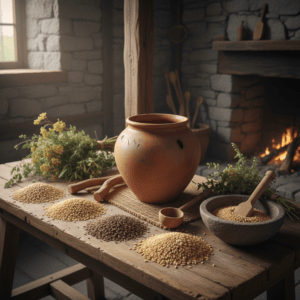
Imagine a time long before writing, before the wheel—our ancestors curious about the unexpected magic when grain met water and warmth. This accidental discovery led to the fermented grain beverages of the Neolithic period, roughly 10,000 years ago.
These early brews were thick, nourishing gruels, more porridge than lager. The history of beer blossoms from the understanding that fermentation, powered by wild yeasts, transforms simple grain into something lively and sustaining.
Settlement and agriculture unlocked ancient brewing practices by enabling surplus grains, especially barley, ideal for brewing due to its starches and enzymes.
The Sumerians provide some of the earliest written records — clay tablets from 4,000 BCE detailing beer rations, a goddess named Ninkasi, and a poetic brewing recipe in the “Hymn to Ninkasi”. Modern enthusiasts can learn more at Ancient Brewing Meditation.
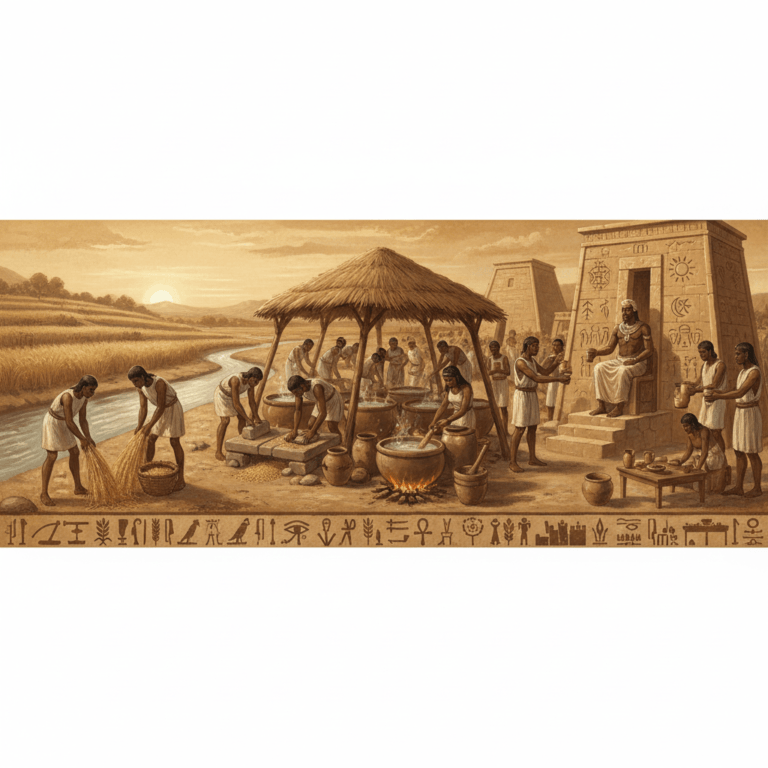
In Egypt, beer was essential to laborers and worship—tomb paintings and brewery remains testify to its sacred and practical roles, from pyramid builders’ wages to afterlife refreshment.
Thus, beer through the ages was more than a drink. It was food, currency, and a catalyst for complex civilizations.
Beer in Ancient Civilizations
Mesopotamia: The Cradle of Brewing
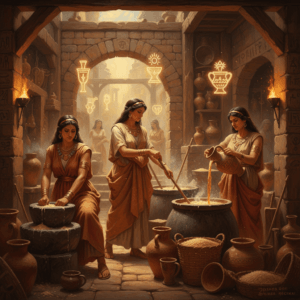
In the ancient heartland of Mesopotamia, beer was integral to daily life and religion. The Sumerians, Babylonians, and Assyrians brewed diverse varieties, produced within temple breweries under priestly supervision.
Workers earned beer rations as wages, and laws such as the Code of Hammurabi regulated beer sales strictly—watering down beer could lead to drowning. Beer was consumed through long straws to avoid solids, with archaeological finds revealing elegantly crafted golden straws for elites.
Egypt: Liquid Bread for the Masses
Egyptian beer — “heqet” — was thick, nutritious, and pervasive. Baking beer bread and fermenting it into a sweet, mildly alcoholic beverage blurred the lines between bread and beer.
Religious ceremonies involved beer offerings to gods such as Osiris and Hathor, the latter associated with joy and drunkenness. Pharaohs were buried with beer supplies, and pyramid workers received daily rations of 4-5 liters to sustain grueling labor.
Ancient China: Elite Brews and Medicinal Uses
Brewing in ancient China used millet, rice, and barley with mixed ferments involving yeasts and molds, quite distinct from Western beers. Elite rituals featured fermented grain beverages, and medical texts celebrated such brews as remedies.
Overall, beer functioned as currency, trade medium, and social glue across ancient cultures. Further insights appear in Brewing History Through a Meditative Lens.
Ancient Brewing Practices
The Brewing Process Step by Step
Imagine brewing in ancient Mesopotamia or Egypt: malting grains by soaking until sprouted, drying them over fire to add flavor.
Then baking beer bread, partially baked cakes with active enzymes, which could be stored and later mashed by crumbling into water, sometimes with dates or herbs for sweetness and preservation.
Fermentation occurred in clay jars sealed with mud, lasting several days. Brewers relied on taste and observation rather than instruments. The final brew was thick, often enjoyed via straws filtering out solids.
Key Ingredients of Antiquity
- Grains: Barley (Mesopotamia, Egypt), emmer wheat, einkorn, millet and rice (China), and sorghum (Africa).
- Water: Sourced from rivers, wells, springs near ancient cities.
- Yeasts: Wild yeasts naturally present on grain husks and environments.
- Flavorings and preservatives: Dates, mandrake, or herbal gruits — pre-hop traditions.
Ancient Versus Modern Methods
Despite technological advances, brewing fundamentals remain: malting, mashing, fermenting, packaging. Modern brewers control temperature, sanitation, and yeast strains precisely, whereas ancient brewers relied on experience and natural processes.
Ancient beer was more nutritious, safer than water, and crucial for sustaining societies. Read more at Mindful Homebrewing Practices.
Historical Beer in Society
Religious and Ceremonial Significance
Beer was central in temples and festivals. The Sumerian goddess Ninkasi embodied the sacred nature of brewing, with the “Hymn to Ninkasi” preserving brewing knowledge.
Ancient Egyptians offered beer to deities daily; festivals and funerals included beer libations, reinforcing divine and social bonds.
Legal and Economic Framework
Beer laws protected consumers and taverns. It served as currency, with rations varying by social status, and was taxed as a major economic enterprise.
Community and Social Bonds
Communal drinking embodied trust and unity. Taverns fostered social life, and brewing knowledge passed through generations, nurturing community identity.
Discover more in Mindful Beer Appreciation.
Beer Through the Ages
Ancient Period (10,000 BCE – 500 CE)
Brewing emerged with farming, appearing across Mesopotamia, Egypt, and China. Beer served as food, currency, medicine, and sacred offering.
Wine’s rise in Mediterranean cultures contrasted with beer’s persistence among northern Europeans.
Medieval Period (500 – 1500 CE)
Monasteries perfected brewing, introduced hops, and regulated quality. Brewing guilds and purity laws appeared.
Early Modern Period (1500 – 1800 CE)
Global trade and scientific advances refined brewing. Bottling and ice houses improved storage. Colonial brewing traditions spread worldwide.
Industrial Revolution (1800 – 1900 CE)
Discoveries by Pasteur, development of refrigeration and pasteurization, and industrialization revolutionized beer manufacturing and distribution.
Modern Era (1900 – Present)
Prohibition challenged brewing globally, but the craft beer renaissance of the late 20th century revived ancient and traditional styles. Brewers explore historical inspirations with modern science.
Ancient Beer Wisdom
Traditional Brewing Knowledge
Through observation and experience, ancient brewers mastered malting, seasonal brewing, fermentation signs, and water source selection.
Fermentation as Purification
Despite no knowledge of microbes, ancient peoples knew beer was safer than water due to fermentation’s sanitizing effects, making it a public health safeguard.
Nutritional Understanding
Ancient beer provided calories, B vitamins, minerals, and acted as medicine. Recipes with herbs treated ailments and supported nursing mothers.
Spiritual and Practical Wisdom Combined
Brewing rituals and deity reverence helped standardize methods, promote cleanliness, and improve quality. Modern brewers continue to learn from these traditions.
Read more in Mindful Sustainable Brewing Practices.
Evolution into Modern Beer
From Tradition to Industry
Brewing progressed from household craft to monastic production, then to commercial breweries regulated by guilds, aided by industrial technologies like steam power and refrigeration.
The Craft Beer Renaissance
Since the 1970s, brewers revived historical styles and methods, emphasizing whole hops, traditional yeast strains, and heritage grains, against industrial homogeneity.
Reviving Ancient Techniques
- Use of ancient grains like emmer wheat and einkorn
- Spontaneous fermentation mimicking wild yeast use
- Fermentation and aging in amphora and clay vessels
- Flavoring with gruit herbs instead of hops
- Archaeological recreations of ancient recipes by breweries
Modern Appreciation Meets Historical Awareness
Today’s craft brewers blend ancient wisdom with science, educating consumers about heritage and depth in their beers. Explore the significance further at The Ultimate Guide to Brewing and Identifying Gluten-Free Beer.
Beer Historical Timeline
Key Milestones in Beer History
- 10,000 BCE – Agricultural Revolution enables brewing
- 7,000 BCE – Earliest chemical evidence of fermentation in China
- 4,000 BCE – Sumerian written beer records and goddess Ninkasi
- 3,000 BCE – Egyptian large-scale brewing for pyramids
- 1,800 BCE – Hymn to Ninkasi preserves brewing knowledge
- 1,750 BCE – Code of Hammurabi regulates beer laws
- 500 BCE – Chinese medical texts mention beer-like remedies
- 800 CE – Monastic brewing advances quality and methods
- 1040 CE – First documented use of hops in brewing
- 1516 CE – German Purity Law (Reinheitsgebot)
- 1553 CE – First German lager created
- 1857 CE – Pasteur discovers yeast’s role in fermentation
- 1873 CE – Industrial refrigeration developed
- 1876 CE – Pasteurization applied to beer
- 1920-1933 CE – American Prohibition devastates brewing industry
- 1978 CE – Legalization of homebrewing
- 1980s CE – Craft beer movement begins
- 2000s CE – Revival of ancient and historical brewing
Visual Timeline Comparison
| Era | Key Development | Impact on Beer Culture |
|---|---|---|
| 10,000 BCE | Agricultural Revolution | Makes brewing possible |
| 4,000 BCE | Sumerian written records | Beer becomes economic pillar |
| 1,800 BCE | Hymn to Ninkasi | Preserves brewing knowledge |
| 800 CE | Monastic brewing | Improves quality and techniques |
| 1040 CE | Hops introduction | Changes flavor and preservation |
| 1857 CE | Pasteur’s discovery | Enables scientific brewing |
| 1978 CE | Homebrewing legalized | Sparks craft revolution |
| 2000s CE | Ancient beer revival | Connects past and present |
Explore more connections at Mindful Beer Pairing Meditation.
Conclusion
The journey through ancient beer history shows beer as far more than fermented grain—it’s a cultural keystone, a bearer of nutrition, spirituality, community, and innovation.
Drinking beer today connects us with millennia of tradition, from Neolithic brewers to modern craft artisans. While technology and knowledge have advanced, the essence remains: grain, water, fermentation, and sharing.
The evolution of beer reflects human civilization itself—from survival to celebration, from simple sustenance to artisanal craft. Understanding historical beer enriches every sip and honors the ingenuity of brewers past and present.
Call to Action
Now that you’ve explored the rich depths of ancient beer history, it’s time to taste that history for yourself.
- Share your experiences: What’s your favorite historical beer style? Tried any ancient-inspired brews? Leave a comment below to join the conversation.
- Visit local craft breweries experimenting with ancient brewing practices. Ask about their historical inspirations and special releases.
- Try brewing your own historical beer: Research ancient recipes, source heritage grains, experiment with gruit or spontaneous fermentation.
- Explore further resources: Museums, books, and documentaries expand appreciation of beer’s history and culture.
- Drink mindfully: Reflect on ingredients and traditions in every glass, connecting with ten millennia of brewing wisdom.
Beer is liquid history, community in a glass, and a connection to cultures through time. Which ancient beer would you most like to taste? Tell us in the comments and keep the conversation flowing.
Frequently Asked Questions (FAQ)
1. How old is beer and why is it important in human history?
Beer dates back approximately 10,000 years, emerging concurrently with agriculture. It played vital roles as nourishment, medicine, religious offering, and economic currency—helping shape civilizations across continents.
2. What grains were used in ancient beer brewing?
Barley was dominant in Mesopotamia and Egypt, while emmer and einkorn wheats also featured. In China, millet, barley, and rice were standard. Various cultures also used sorghum and other local grains.
3. How did ancient brewers ferment beer without knowing about yeast?
They relied on natural wild yeasts present on grain husks and in the air. Through repeated use of vessels and observation, they managed successful fermentations without scientific understanding of microbes.
4. How did beer influence social and religious life in ancient cultures?
Beer was central in religious rituals—offered to gods—and in social bonding. It served as wages, currency, and played a key role in festivals, funerals, and community gatherings.
5. How does modern craft brewing engage with ancient beer history?
Craft brewers revive traditional methods and ingredients—heritage grains, spontaneous fermentation, amphora-aging, and historical herb flavorings. They blend ancient wisdom with modern science to create diverse, meaningful beers.