
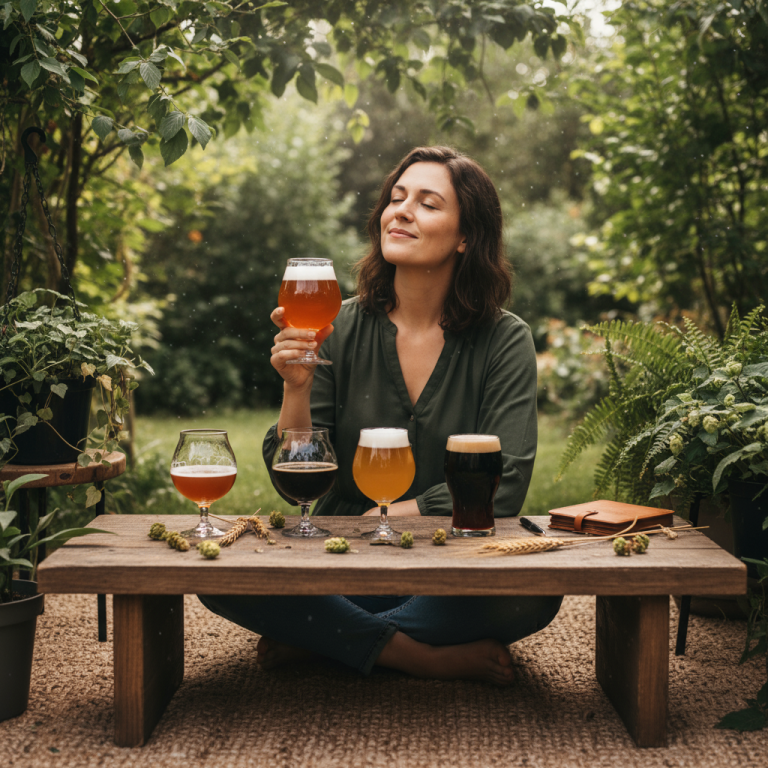

Beer Meditation: A Mindful Guide to Enhancing Your Beer Tasting Experience
Estimated Reading Time: 15 minutes
Key Takeaways:
- Beer meditation transforms beer tasting into a deliberate, sensory-rich mindfulness practice.
- Cultivating sensory awareness enhances appreciation and deepens present-moment connection.
- Non-alcoholic and nootropic beers offer mindful alternatives to traditional alcoholic brews.
- Consistent practice improves palate refinement, reduces stress, and fosters creativity.
- Creating a dedicated environment supports a fulfilling and distraction-free meditation experience.
Table of Contents
- Introduction
- Understanding Beer Meditation
- Why Meditate with Beer?
- Step-by-Step Guide to Beer Tasting Meditation
- Mindfulness Exercises for Beer Tasting
- Guided Beer Meditation
- The Benefits of Regular Practice
- Choosing the Right Beers for Meditation
- Creating Your Beer Meditation Space
- Developing a Regular Practice
- Common Challenges and Solutions
- Beer Meditation and Social Connection
- Conclusion
- FAQ
Introduction
Beer meditation is a practice that blends beer tasting with mindfulness and meditation techniques, creating a unique approach to enhance relaxation and sensory experience. This innovative practice transforms the simple act of drinking beer into a meditative ritual, inviting you to fully engage your senses and awareness during the experience.
By combining mindfulness with beer tasting, you can increase your awareness and bring greater enjoyment to each sip. Meditation for beer tasting distinguishes itself from traditional, often mindless drinking by encouraging you to notice subtle flavors, aromas, and sensations that might otherwise go unnoticed.
Mindful beer drinking meditation offers a fresh perspective on an age-old beverage. Through contemplative beer tasting, you can develop a deeper connection to the present moment, transforming your relationship with beer from casual consumption to an intentional, sensory journey. This beer tasting meditation guide will show you exactly how to elevate your experience through mindful awareness.
Whether you’re a craft beer enthusiast or someone interested in expanding your meditation practice, this approach offers benefits that extend beyond simple enjoyment. Let’s explore how you can use meditation to transform your beer tasting experience.
Understanding Beer Meditation
Beer meditation has its roots in mindful eating and drinking traditions that expand the definition of meditation to include everyday pleasures. This contemplative beer tasting approach recognizes that meditation doesn’t need to be limited to sitting on a cushion—it can be integrated into the activities we already enjoy.
The concept draws from ancient mindfulness practices that encourage present-moment attention during all activities, including meals and beverages. By applying these time-tested techniques to beer tasting, you create space for a richer, more meaningful experience.
Mindfulness enriches the tasting experience by slowing down the process and focusing your mind. When you practice how to meditate with beer, you shift from autopilot drinking to intentional awareness. This shift allows you to notice the brew’s qualities in far greater detail—from the initial visual appearance to the complex layers of flavor that unfold with each sip.
Present-moment awareness is the cornerstone of beer meditation. Instead of drinking while distracted by your phone, television, or racing thoughts, you bring your full attention to the beer itself. This focused attention reveals nuances that casual drinking overlooks, leading to a more profound appreciation for the brewer’s craft and the beverage’s unique characteristics.
For those concerned about alcohol consumption, non-alcoholic and nootropic craft beers offer an excellent alternative. These options allow you to practice beer meditation while avoiding intoxication, aligning better with health and mental clarity goals. This makes the practice accessible to more people and suitable for regular meditation sessions.
Learn more about mindful drinking as meditation.
Why Meditate with Beer?
Mindful beer drinking meditation offers numerous benefits that extend beyond simple enjoyment. One of the primary advantages is cultivating sensory awareness. When you engage in beer tasting mindfulness exercises, you become more attuned to the nuances of taste, aroma, and texture that make each beer unique.
This heightened awareness doesn’t just improve your beer tasting—it spills over into other areas of life. By training your mind to notice subtle sensations, you develop a more refined capacity for attention and appreciation in all your experiences.
For some practitioners, beer meditation can foster new insights and even boost creativity. The combination of relaxation and focused attention creates an ideal mental state for creative thinking, provided the practice remains moderate and mindful. The key is maintaining awareness rather than seeking intoxication.
Meditative beer tasting improves sensory awareness by engaging all your senses simultaneously. You observe the beer’s color and clarity, inhale its aromatic compounds, feel its temperature and carbonation, hear the fizz of bubbles, and finally taste the complex flavor profile. This multi-sensory engagement connects body and mind, grounding you firmly in the present moment.
The practice emphasizes the connection between physical sensations and mental awareness. As you notice how the beer feels in your mouth, how your body responds to each sip, and how your mind interprets these signals, you develop a deeper understanding of the mind-body relationship.
Explore mindful drinking benefits.
Non-alcoholic and nootropic beers provide unique advantages for regular beer meditation practice. These beverages offer relaxation effects without the negative consequences of alcohol consumption, such as hangovers, impaired judgment, or long-term health concerns. Nootropic beers may even include ingredients that support mental clarity and stress reduction.
By choosing non-alcoholic or low-alcohol options, you can practice beer tasting mindfulness exercises more frequently without health risks. This makes the practice sustainable as a regular meditation technique rather than an occasional indulgence.
Discover how nootropics in beer help reduce stress.
Step-by-Step Guide to Beer Tasting Meditation
Preparation for Beer Meditation
The first step in beer meditation is choosing the right beverage and setting. Select a craft beer or non-alcoholic beer with distinctive qualities—something with interesting flavors, aromas, and characteristics that will give you plenty to observe and appreciate.
Look for beers that are complex and well-crafted. IPAs offer bold hop aromas, stouts provide rich malty flavors, sours deliver unique tartness, and Belgian ales present fruity esters. Each style offers different sensory experiences to explore.
Create a comfortable, distraction-free environment for your practice. Turn off your phone, television, and other electronic devices. Choose a quiet space where you won’t be interrupted. Consider soft lighting and a comfortable chair where you can sit upright but relaxed.
The environment you create supports your meditation for beer tasting. A calm space allows your mind to settle and your senses to sharpen, making it easier to notice the subtle qualities of the beer.
Mindful Sipping
Before taking your first sip, engage in visual observation. Hold the glass up to the light and notice the beer’s color. Is it golden, amber, brown, or black? Observe the clarity—is it crystal clear or hazy? Watch the bubbles rise and notice the head formation and retention.
Next, bring the glass to your nose without sipping. Close your eyes and inhale the aroma deeply. What do you smell? Hops, malt, fruit, spices, earth, or flowers? Try to identify individual scent components rather than just registering a general impression.
Notice the beer’s texture before tasting. Swirl the glass gently and observe how the liquid moves. Is it thin and light or thick and viscous? This visual assessment of body gives you clues about what to expect on your palate.
Now, take your first deliberate, small sip. Don’t swallow immediately. Let the beer rest on your tongue and move it around your mouth. Notice where different flavors appear—sweetness on the tip of your tongue, bitterness toward the back, and various flavors along the sides.
Pay attention to how the flavors evolve. The initial taste, the middle development, and the finish may all present different characteristics. Some flavors emerge immediately while others unfold slowly. This evolution is part of the meditation for beer tasting experience.
Take another small sip and focus on different aspects. Notice the carbonation level, the temperature, and how these physical sensations interact with the flavors. Each sip offers new observations when you bring mindful attention to the experience.
Breathing Techniques
Incorporate deep, slow breathing before and during your tasting session. Start with several deep breaths to center yourself and calm your mind. Breathe in slowly through your nose for a count of four, hold for a count of four, and exhale through your mouth for a count of six.
This breathing pattern activates your parasympathetic nervous system, promoting relaxation and mental clarity. It prepares your mind for the focused attention that guided beer meditation requires.
Between sips, return to your breath. Inhale the beer’s aroma deeply before each taste, making the breath part of the sensory exploration. This technique focuses your attention and enhances your ability to detect aromatic compounds.
Deep breathing also helps you maintain present-moment awareness. When your mind wanders to thoughts about work, relationships, or tomorrow’s tasks, gently redirect your attention by taking a conscious breath and returning focus to the beer.
Read about breathing in beer meditation.
Reflection
After each sip, pause for reflection. Take mental notes about the flavors and sensations you experienced. What tastes stood out? What surprised you? How did the beer make you feel physically and emotionally?
Consider keeping a beer tasting meditation guide journal where you record your observations. Writing down tasting notes fosters mindful observation and helps you track your developing palate over time. Note the beer’s name, style, and brewery, then record your sensory impressions.
Your reflections might include flavor descriptors like “citrusy hops,” “caramel malt,” “roasted coffee,” or “fruity esters.” Describe the mouthfeel as “crisp,” “creamy,” “dry,” or “full-bodied.” Record the finish as “clean,” “lingering,” “bitter,” or “sweet.”
This reflection phase completes the meditation cycle. You’ve observed, experienced, and now you’re integrating those observations into conscious awareness. This process deepens your appreciation and trains your mind in focused attention.
Mindfulness Exercises for Beer Tasting
Slow Sip Meditation
The slow sip meditation is one of the most fundamental beer tasting mindfulness exercises. Take an extremely small sip—just enough to coat your tongue. Focus intently on the shifting flavors as the beer warms slightly in your mouth and interacts with your taste buds.
Notice how the initial taste transforms into the mid-palate experience, which then evolves into the finish. Pay attention to the aftertaste that remains after swallowing. Does it linger or fade quickly? Does it leave you wanting another sip or feeling satisfied?
This exercise trains you to slow down and savor rather than gulp. By extending the time you spend with each sip, you discover layers of complexity that faster drinking would miss.
Practice this exercise with three to five sips per beer tasting session. Between sips, take breaks to breathe and reset your palate with water if needed.
Aroma Exploration
Aroma exploration focuses specifically on the beer’s scent profile. Gently swirl the beer in your glass to release volatile aromatic compounds. Bring the glass to your nose and take a series of short, quick sniffs, then one long, deep inhalation.
Try to identify individual aroma components. Does it smell like citrus, pine, or tropical fruit? Can you detect bread, caramel, or chocolate notes? Are there floral, earthy, or spicy elements?
This meditation for beer tasting exercise develops your olfactory awareness. Since much of what we perceive as “taste” actually comes from aroma, this skill significantly enhances your overall tasting experience.
Alternate between nosing the beer and taking small sips, noticing how the aromas you detected translate into flavors on your palate. This comparison deepens your understanding of how smell and taste work together.
Texture Awareness
Texture awareness focuses on the beer’s physical sensations rather than flavors. When you learn how to meditate with beer through texture, you notice elements that are often ignored during casual drinking.
Pay attention to carbonation levels. Are the bubbles fine and champagne-like, or larger and more aggressive? How do they feel on your tongue and the roof of your mouth? Notice how carbonation affects your perception of the beer’s body.
Observe the mouthfeel. Is the beer light and watery, medium-bodied, or thick and coating? Does it feel creamy or astringent? Smooth or rough? These tactile sensations contribute significantly to the overall drinking experience.
Notice temperature as well. As the beer warms slightly, how does this affect both flavor and texture? Many beers reveal new characteristics at different temperatures, making temperature awareness part of mindful tasting.
Reflective Journaling
Reflective journaling extends your beer tasting meditation guide beyond the immediate experience. After your tasting session, spend five to ten minutes writing about what you noticed.
Record not just flavor descriptors, but also your thoughts, emotions, and insights during the practice. Did you find it easy or difficult to maintain focus? What surprised you? What would you like to explore more deeply next time?
Over time, your journal becomes a record of your developing mindfulness practice and palate refinement. You’ll notice patterns in your preferences and growth in your ability to detect subtle characteristics.
This practice of beer tasting mindfulness exercises also helps you process the experience more deeply, moving it from short-term sensory memory into longer-term learning and appreciation.
Guided Beer Meditation
For beginners, following a simple guided meditation script helps establish the practice. Here’s a step-by-step guided beer meditation sequence you can follow:
Step 1: Get Comfortable
Sit in a comfortable chair with your feet flat on the floor and your back supported but upright. Place your beer in front of you on a table. Take a moment to settle into your seat, releasing tension from your shoulders and jaw.
Step 2: Center Yourself with Breath
Close your eyes and take five deep breaths. Breathe in through your nose for a count of four, hold for four, and exhale through your mouth for six. Feel your body relax with each exhale. Let go of the day’s stress and bring your attention fully to this moment.
Step 3: Visual Observation
Open your eyes and pick up your beer glass. Hold it at eye level and observe its appearance without judgment. Notice the color, clarity, and any particulates. Watch the bubbles rise from the bottom of the glass. Observe the head and how it clings to the sides as you tilt the glass.
Spend at least thirty seconds in silent observation, treating the beer as if you’ve never seen one before. Approach it with beginner’s mind—curious and open.
Step 4: Aroma Exploration
Bring the glass closer to your nose, but don’t sip yet. Close your eyes again and inhale deeply. What do you smell? Don’t worry about naming every aroma precisely—just notice what’s there.
Take three to five deep inhalations, exploring the scent profile. Notice if different aromas emerge with each breath. Observe how the scent makes you feel and any memories or associations it triggers.
Step 5: The First Mindful Sip
Now, take a small sip and hold it in your mouth without swallowing. Notice the temperature. Feel the carbonation. Let the beer touch all parts of your mouth—tongue, cheeks, roof of mouth.
Pay attention to the initial flavors that emerge. Where in your mouth do you detect sweetness, bitterness, or sourness? Notice texture and body.
After five to ten seconds, swallow slowly and mindfully. Notice the act of swallowing and the flavors that remain—the finish and aftertaste.
Step 6: Continued Exploration
Take another sip, this time focusing on different aspects. Perhaps you noticed bitterness in the first sip—now pay attention to sweetness or fruitiness. Or shift your focus to carbonation and mouthfeel rather than flavor.
With each subsequent sip, rotate your attention through different sensory dimensions:
- Sip three: Focus on how flavors evolve from initial taste to finish
- Sip four: Notice physical sensations—temperature, bubbles, weight
- Sip five: Observe emotional responses—pleasure, curiosity, satisfaction
Step 7: Integration
After five to seven mindful sips, set the glass down. Close your eyes again and take three deep breaths. Reflect on the experience without speaking or writing just yet. Simply sit with the sensations and impressions.
Notice how your body feels. Notice your mental state. Has your mind settled? Do you feel more present and aware?
For best results, practice this guided beer meditation in a calm, undisturbed setting. Consider dimming the lights or lighting a candle to create an atmosphere conducive to mindfulness.
More on nootropic beer meditation benefits
For regular practice, strongly consider using non-alcoholic or low-alcohol options. This allows you to meditate with beer more frequently without the health risks associated with regular alcohol consumption. Non-alcoholic craft beers have improved dramatically in recent years, offering complex flavors perfect for mindfulness practice.
Scientific insights on non-alcoholic beer and health
You can also adapt audio resources designed for mindful eating to your beer meditation practice. Many meditation apps offer guided sessions for eating chocolate or drinking tea that can be easily modified for beer tasting.
The key to successful guided beer meditation is consistency. Start with just one session per week, then gradually increase as the practice becomes more natural. Over time, this mindful approach will transform how you experience not just beer, but all sensory pleasures.
The Benefits of Regular Practice
When you establish a regular beer meditation practice, you’ll notice benefits that extend far beyond improved beer appreciation. The skills you develop—focused attention, sensory awareness, and present-moment consciousness—transfer to other areas of your life.
Regular practitioners report enhanced ability to focus at work, greater appreciation for meals, and improved ability to notice and savor life’s small pleasures. The mindfulness you cultivate during contemplative beer tasting becomes a skill you can apply anywhere.
You’ll also develop a more refined palate over time. As you practice beer tasting mindfulness exercises regularly, you’ll become better at detecting subtle flavor notes, identifying off-flavors, and understanding beer styles. This knowledge deepens your appreciation for the brewer’s craft.
Additionally, the relaxation response triggered by combining breathing exercises with pleasurable sensory experiences can help reduce stress and promote overall well-being. This makes beer meditation not just an enjoyable hobby, but a genuine wellness practice.
Choosing the Right Beers for Meditation
Not all beers are equally suited to meditation practice. The best choices are those with complexity and balance—beers that offer multiple layers to discover and appreciate.
Craft beers often make excellent choices because brewers create them with attention to detail and distinctive character. Look for styles known for complexity:
- IPAs: Offer bold hop aromas and flavors ranging from citrus to pine to tropical fruit
- Stouts and Porters: Present rich, roasted flavors with notes of coffee, chocolate, and caramel
- Belgian Ales: Provide complex yeast-derived flavors with fruity and spicy characteristics
- Sour Beers: Deliver unique tartness and funky flavors that challenge and intrigue the palate
- Barrel-Aged Beers: Offer layers of flavor from both the base beer and the barrel aging process
For those avoiding alcohol, the growing selection of premium non-alcoholic craft beers provides excellent options. Brands are now producing alcohol-free versions of IPAs, stouts, and other styles with impressive flavor profiles suitable for serious tasting.
When selecting beers for meditation, also consider freshness. Check packaging dates and choose the freshest beer available, as hop aromas and delicate flavors fade over time.
Creating Your Beer Meditation Space
The environment where you practice matters significantly. While you can practice beer meditation anywhere, creating a dedicated space enhances the experience.
Choose a quiet area in your home where you won’t be disturbed. This might be a corner of your living room, a home office, or even a comfortable outdoor space in good weather.
Consider these elements when setting up your space:
Lighting: Soft, warm lighting works better than harsh overhead lights. Natural light is ideal, but candles or dimmed lamps create a relaxing atmosphere for evening practice.
Seating: Choose a comfortable chair that supports upright posture. You want to be relaxed but alert, not slouched or sleepy.
Temperature: Ensure the room is comfortable—neither too hot nor too cold. Temperature affects both your comfort and the beer’s characteristics.
Minimal Distractions: Remove or silence electronic devices. Put your phone in another room or at least turn it face-down on silent mode.
Glassware: Use appropriate glassware that enhances the beer’s characteristics. Different styles benefit from different glass shapes, but any clean, clear glass works for starting your practice.
Journal and Pen: Keep your beer tasting meditation guide journal nearby for recording observations after your session.
Water: Have water available to cleanse your palate between different beers if you’re tasting multiple samples.
Creating this intentional space signals to your mind that you’re entering a special practice, helping you transition from everyday consciousness to meditative awareness.
Developing a Regular Practice
Like any meditation practice, consistency matters more than duration. It’s better to practice beer meditation for fifteen minutes once a week every week than to have an occasional marathon session.
Start by scheduling a specific day and time for your practice. Perhaps Sunday afternoon or Friday evening becomes your regular beer meditation time. This routine helps establish the habit.
Begin with single beer sessions. Pour a small amount—perhaps four to six ounces—and spend fifteen to twenty minutes with just that one beer. This focused approach develops your skills more effectively than rushing through multiple samples.
As you become comfortable with the basic practice, you can expand in several directions:
- Comparative Tasting: Taste two similar beers side by side, using mindfulness to notice subtle differences between them.
- Style Exploration: Dedicate different sessions to exploring different beer styles, developing familiarity with the characteristics of each.
- Seasonal Practice: Align your beer meditation with seasons, choosing appropriate seasonal beers and noting how your preferences shift throughout the year.
- Group Practice: Once you’re comfortable with solo practice, consider inviting like-minded friends to join you for group beer meditation sessions.
Track your practice in your journal, noting not just tasting notes but also how the meditation itself went. Did you maintain focus? Did your mind wander? What helped you stay present?
Common Challenges and Solutions
As with any new practice, you’ll likely encounter challenges when learning how to meditate with beer. Here are common obstacles and strategies for overcoming them:
Challenge: Mind Wandering
Your mind will wander during practice—this is completely normal. When you notice your attention has drifted to thoughts about work, relationships, or your to-do list, gently redirect focus back to the beer.
Solution: Use the beer itself as an anchor. Each time you notice your mind wandering, take a breath and a small sip, returning attention to the immediate sensory experience.
Challenge: Overthinking
Some practitioners get caught up trying to identify every flavor note, turning the meditation into an analytical exercise rather than a mindful experience.
Solution: Balance observation with acceptance. Notice what you notice without forcing yourself to name everything. It’s okay to simply register “pleasant” or “interesting” without precise identification.
Challenge: Impatience
In our fast-paced world, slowing down feels uncomfortable. You might feel the urge to finish the beer quickly and move on to other activities.
Solution: Start with shorter sessions—just five or ten minutes. As you experience the benefits of slowing down, you’ll naturally want to extend your practice time.
Challenge: Inconsistency
Life gets busy, and your practice schedule may fall apart.
Solution: Link beer meditation to an existing habit. Perhaps you already enjoy a beer on Friday evenings—transform that existing habit into a meditation practice rather than trying to add something completely new to your schedule.
Challenge: Alcohol Concerns
You might worry about regular alcohol consumption, even in small amounts for meditation.
Solution: Use non-alcoholic craft beers for most sessions, reserving alcoholic beers for occasional special tastings. This allows frequent practice without health concerns.
Beer Meditation and Social Connection
While beer meditation is often a solo practice, it can also enhance social experiences. Mindful drinking transforms social beer occasions from unconscious consumption to shared appreciation.
When enjoying beer with friends, suggest bringing mindful awareness to the experience. You don’t need to sit in formal meditation, but simply encouraging the group to pause and really taste the beer together creates a moment of shared presence.
This approach works particularly well with beer dinners, brewery visits, or beer club meetings. Before diving into conversation, spend a minute in collective silence, each person observing their beer individually. Then share observations and impressions.
This shared contemplative beer tasting deepens connections with others. You move beyond surface-level interaction into meaningful engagement with both the beverage and the people you’re with.
Some communities have established beer meditation groups that meet regularly to practice together. These groups combine the benefits of meditation community with craft beer appreciation, supporting both personal practice and social connection.
Conclusion
Beer meditation offers a joyful, mindful approach to a common ritual, transforming ordinary beer drinking into an opportunity for enhanced appreciation and personal well-being. By integrating meditation with beer tasting, you develop skills that extend far beyond the glass—cultivating present-moment awareness, sensory refinement, and deeper life satisfaction.
The practice of contemplative beer tasting invites you to slow down in a world that constantly demands faster, more, and busier. It creates space for savoring, appreciating, and truly experiencing one of humanity’s oldest beverages.
Whether you choose craft beers with complex flavor profiles or opt for non-alcoholic alternatives that support regular practice without health concerns, the key is bringing mindful attention to the experience. Each sip becomes an opportunity to practice presence, each session a chance to deepen your awareness.
Further reading on mindful beer meditation
As you develop your meditation for beer tasting practice, remember that there’s no single “correct” way to do it. The guided approaches offered here are starting points—feel free to adapt them to your preferences and needs. Some sessions will feel deeply meditative, while others will be more challenging. Both are valuable.
Explore more meditation perspectives
The invitation is simple: try beer meditation for yourself. Pour a beer, create a quiet moment, and bring your full attention to the experience. Notice what you notice. Appreciate what you appreciate. Let the practice unfold naturally.
We’d love to hear about your experiences with beer meditation. What did you discover? What surprised you? What challenges did you encounter? Sharing your journey can inspire and support others who are exploring this mindful practice.
Start your beer meditation practice today, and discover how this simple approach can cultivate both mindfulness and a deeper connection to your beer tasting experiences. Whether you practice once a week or once a month, each session is an opportunity to slow down, savor, and be truly present.
Important Note on Moderation: While mindful drinking can be a rewarding practice, it’s essential to maintain moderation in alcohol consumption. Regular consumption of alcoholic beer carries known health risks including liver damage, increased cancer risk, and potential for dependency.
For frequent practice, non-alcoholic or nootropic beer options provide similar sensory experiences and meditation benefits with fewer health downsides. These alternatives allow you to develop your beer tasting mindfulness exercises and guided beer meditation practice safely and sustainably.
Always listen to your body, respect your limits, and prioritize your health and well-being above any practice. If you have concerns about alcohol consumption, consult with a healthcare provider and consider focusing your meditation practice exclusively on non-alcoholic options.
Nootropic beer & stress reduction
Scientific health review on non-alcoholic beer
Mindful beer appreciation guide
Frequently Asked Questions (FAQ)
What is beer meditation?
Beer meditation is a mindfulness practice that combines beer tasting with meditative attention, encouraging you to focus fully on the sensory experience of drinking beer. This transforms casual consumption into a mindful ritual.
Can I practice beer meditation with non-alcoholic beers?
Yes! Non-alcoholic and nootropic beers are excellent for beer meditation, allowing you to enjoy the sensory experience without alcohol’s effects, making it suitable for frequent practice and those avoiding intoxication.
How long should a beer meditation session last?
Sessions typically last between 15 and 30 minutes. It’s more important to practice regularly and consistently than to have long sessions. Starting with shorter sessions and gradually increasing works best.
Do I need special equipment to practice beer meditation?
No special equipment is required. However, having appropriate glassware, a quiet space, and a journal to record your observations can enhance the experience.
Will beer meditation help me reduce stress?
Yes. Combining mindful sensory focus with deep breathing can promote relaxation and stress reduction. Choosing nootropic or non-alcoholic beers can amplify these benefits without the downsides of alcohol.
Is it safe to meditate with beer regularly?
Safety depends on moderation. Using non-alcoholic or low-alcohol options is recommended for regular practice to avoid the health risks of frequent alcohol consumption. Always listen to your body’s limits.


