
Mindful Drinking vs. Mindless Drinking: Finding Balance in Your Beer Consumption
Estimated Reading Time: 15 minutes
Key Takeaways
- Mindful drinking is about making conscious, intentional choices regarding alcohol consumption.
- Mindless drinking often results from habits, social pressure, or emotional coping without awareness.
- Conscious alcohol consumption supports physical, mental, and social well-being.
- Simple practices like setting limits, savoring quality beers, and mindful breathing help reduce and balance intake.
- The journey towards mindful drinking builds lasting change and enhances enjoyment over time.
Table of Contents
- Introduction
- Understanding Mindful vs. Mindless Drinking
- Conscious Alcohol Consumption
- How to Drink Less Beer
- Cultivating Intentional Drinking Habits
- Quality Over Quantity Drinking
- Mindful Beer Consumption Tips
- Drinking with Intention
- Implementing Beer Moderation Mindfulness
- Conclusion
- Start Your Mindful Drinking Journey Today
- FAQ
Introduction
Mindful drinking vs. mindless drinking represents the contrast between intentional choices about alcohol consumption and habitual, unreflective drinking. The difference between these two approaches can transform your relationship with beer and alcohol in general.
At its core, mindful drinking means making conscious decisions about what you drink, why you drink, and how much you consume. It’s about being present in the experience rather than drinking on autopilot.
Mindless drinking, on the other hand, happens when you consume alcohol out of habit, social pressure, or without thinking. This often leads to overconsumption and negative consequences you didn’t intend.
The Health-Conscious Drinking Trend
More people are embracing health-conscious drinking as part of their overall wellness journey. This growing trend emphasizes balance and moderation in alcohol consumption for improved well-being.
People are questioning old drinking habits and seeking ways to enjoy beer while protecting their health. They’re looking for strategies that allow them to participate in social occasions without compromising their physical and mental wellness.
This shift reflects a broader movement toward intentional living. Just as people practice mindful eating and exercise, they’re now applying the same principles to their drinking habits.
Learn more from the Sober Powered guide to mindful drinking.
Drinking with Intention
Drinking with intention means choosing to consume alcohol for enjoyment, connection, and celebration rather than escapism or coping. It’s about enhancing your experience, not numbing your feelings.
When you drink intentionally, you make deliberate choices that align with your values and health goals. You’re in control of your consumption rather than letting habits or external pressures dictate your behavior.
This approach transforms drinking from a mindless activity into a meaningful part of your social and personal life.
Discover more insights on mindful drinking and sober curiosity.
Understanding Mindful vs. Mindless Drinking
What Is Mindful Drinking?
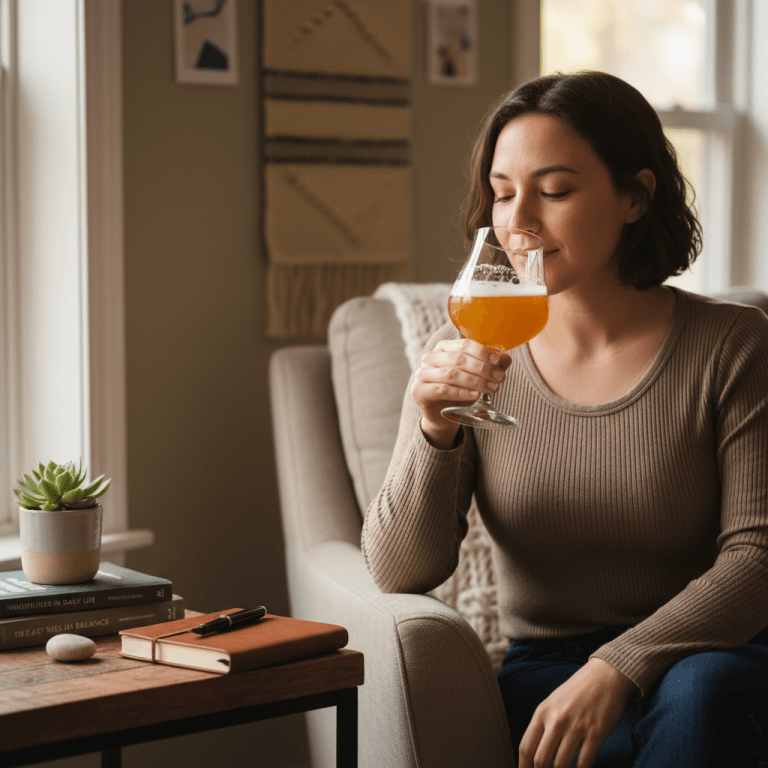
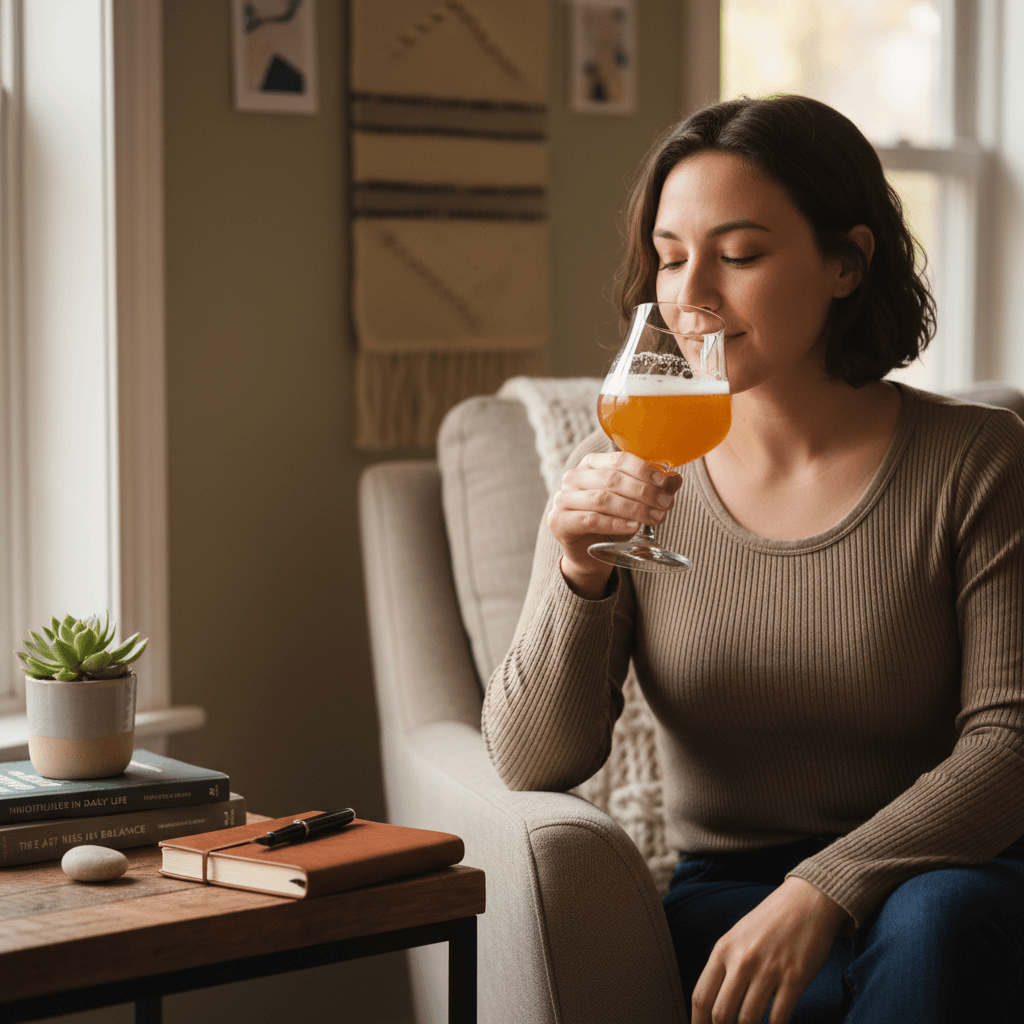
Mindful drinking involves paying attention to what, why, and how much you drink. It’s about engaging in conscious choices about your beer consumption and being fully present in the experience.
When you practice mindful drinking, you:
- Notice the taste, aroma, and appearance of your beer
- Recognize your reasons for drinking
- Stay aware of how alcohol affects your body and mind
- Make deliberate decisions about each drink
This approach turns drinking into a sensory experience rather than a background activity. You savor each sip instead of mindlessly finishing one beer after another.
Mindful drinking doesn’t necessarily mean drinking less, though that’s often a natural result. It means drinking with awareness and purpose.
What Is Mindless Drinking?
Mindless drinking occurs when you consume alcohol out of habit, social pressure, or to cope with emotions. You’re not thinking about your choices or their consequences.
Common patterns of mindless drinking include:
- Automatically having a beer when you get home from work
- Drinking to keep up with friends at social events
- Using alcohol to manage stress or anxiety
- Consuming beer while distracted by television or your phone
- Not keeping track of how many drinks you’ve had
This type of drinking often leads to overconsumption. You finish your beer and reach for another without considering whether you actually want it.
Mindless drinking happens when you’re on autopilot. Your brain follows established patterns without conscious thought.
More details at Alcohol Change UK and St Patrick’s support article.
Impact on Well-Being
The difference between mindful and mindless drinking significantly affects your physical and mental health.
Mindful drinking supports:
- Better mental clarity and focus
- Improved emotional regulation
- Healthier sleep patterns
- Stronger immune function
- Enhanced social connections
Mindless drinking increases risks of:
- Chronic diseases like liver damage and heart problems
- Mood disturbances and anxiety
- Impaired judgment and decision-making
- Weight gain and metabolic issues
- Strained relationships
When you drink mindfully, you’re more likely to notice how alcohol affects you. This awareness helps you make better choices that protect your health and well-being.
Prolonged mindless drinking creates patterns that become harder to break over time. Your body adapts to regular alcohol consumption, potentially leading to dependency.
Further reading: St Patrick’s blog.
Conscious Alcohol Consumption
Definition of Conscious Consumption
Conscious alcohol consumption centers on self-awareness. It means knowing why you drink and understanding your personal limits.
This approach involves asking yourself questions before, during, and after drinking:
- Why do I want this beer right now?
- How will this drink affect me tomorrow?
- Am I drinking because I want to or because I feel pressure?
- What are my boundaries for tonight?
Conscious consumption requires honesty with yourself about your motivations and patterns. It’s about taking responsibility for your choices rather than drinking reactively.
This self-awareness extends beyond the moment of drinking. It includes reflecting on your relationship with alcohol and how it fits into your life goals.
Sources: Sober Powered and Delray Psych.
Importance of Intentional Choices
Making intentional choices about your beer consumption reduces health risks and enhances enjoyment. When you’re deliberate about drinking, you avoid using alcohol as a coping mechanism or background activity.
Intentional choices help you:
- Stay aligned with your health and wellness goals
- Avoid regrettable decisions made while intoxicated
- Maintain better control over your consumption
- Experience greater satisfaction from fewer drinks
When drinking becomes intentional rather than automatic, you break the cycle of habitual overconsumption. Each drink is a choice, not a reflex.
This mindset shift empowers you to enjoy beer as part of a balanced lifestyle rather than letting it control your social life or emotional state.
Learn more at Delray Psych blog.
Benefits of Conscious Drinking
Adopting a conscious approach to alcohol consumption brings numerous advantages:
Physical health benefits:
- Lower risk of liver disease and other alcohol-related conditions
- Better sleep quality and energy levels
- Improved metabolism and weight management
- Stronger immune system function
Mental health benefits:
- Reduced anxiety and depression symptoms
- Better emotional stability
- Improved focus and mental clarity
- Greater self-esteem and confidence
Social benefits:
- Deeper, more meaningful conversations
- Authentic connections with others
- Better memory of social events
- Reduced social anxiety over time
When you drink consciously, you’re more present in your interactions. You remember conversations and create genuine connections rather than superficial encounters.
References: Hello Lingo & Sober Powered.
How to Drink Less Beer
Set Clear Limits
Setting a maximum limit before events is one of the most effective strategies for reducing beer consumption. Decide in advance how many beers you’ll have, such as following the “rule of 3” drinks per occasion.
When you establish limits beforehand, you remove the decision-making from the moment when you’re already drinking. This makes it easier to stick to your intentions.
Tips for setting effective limits:
- Choose a specific number based on your tolerance and health goals
- Tell a trusted friend about your limit for accountability
- Track your drinks using your phone or a mental count
- Plan your exit strategy when you reach your limit
Some people find it helpful to alternate beer with non-alcoholic drinks. For every beer, have a glass of water or a mocktail. This naturally reduces your total alcohol intake.
Remember that your limits might be different for different situations. A casual dinner might call for one beer, while a celebration might allow for two or three.
Learn practical tips at Sober Powered.
Choose Smaller Servings
Opting for smaller servings helps you drink less without feeling deprived. Many bars and restaurants offer half-pints or smaller pour options.
Smaller servings allow you to:
- Enjoy the taste of beer without consuming as much alcohol
- Try different varieties without overdrinking
- Pace yourself more effectively
- Reduce calorie intake
You can also alternate alcoholic drinks with non-alcoholic options. This keeps a drink in your hand for social comfort while reducing your overall consumption.
Consider ordering a flight of beers instead of full pints. This lets you taste multiple varieties in smaller portions, making the experience more interesting and mindful.
Another strategy is to pour your beer into a smaller glass at home. Research shows people drink less when using smaller vessels.
More at Hello Lingo.
Identify Your Triggers
Understanding what triggers your desire to drink more helps you manage those situations effectively. Common triggers include:
- Stress from work or relationships
- Social pressure from drinking-focused events
- Boredom or loneliness
- Certain environments like bars or sporting events
- Specific times of day or week
Once you identify your triggers, you can develop strategies to handle them:
For stress triggers:
- Practice stress-reduction techniques like deep breathing
- Find alternative coping mechanisms like exercise or meditation
- Address the root cause of stress rather than masking it with alcohol
For social triggers:
- Suggest activities that don’t revolve around drinking
- Practice saying “no thank you” without explanation
- Surround yourself with supportive people who respect your choices
For environmental triggers:
- Avoid high-risk situations when you’re working on changing habits
- Create new routines that don’t involve drinking
- Change your environment to remove alcohol-related cues
Recognizing your triggers is the first step toward managing them. Pay attention to patterns in your drinking behavior and address the underlying causes.
Explore helpful advice from Colorado Magazine.
Cultivating Intentional Drinking Habits
Practice Gratitude
Approaching each drink with gratitude transforms your drinking experience. Instead of mindlessly consuming beer, you appreciate the craftsmanship, ingredients, and occasion.
Ways to practice gratitude while drinking:
- Acknowledge the brewers who created your beer
- Appreciate the company you’re sharing it with
- Notice the flavors and aromas that make each beer unique
- Be thankful for the ability to enjoy this experience
This gratitude practice naturally slows down your consumption. When you’re focusing on appreciation, you’re not rushing through drinks.
You might express gratitude by toasting with intention, sharing what you appreciate about the moment, or simply taking a mental pause before your first sip.
Gratitude shifts your focus from quantity to quality. You’re celebrating the experience rather than using alcohol as a means to an end.
Read more at Sober Powered and Delray Psych.
Savor Flavor and Experience
Taking time to appreciate the flavors and aromas of beer enhances enjoyment while reducing consumption. When you savor each sip, you need fewer drinks to feel satisfied.
How to savor your beer:
- Look at the color and clarity before drinking
- Smell the aroma and identify different scent notes
- Take small sips and let the beer rest on your palate
- Notice the mouthfeel and texture
- Identify different flavor components like hops, malt, or fruit notes
This sensory approach turns drinking into a tasting experience. You engage all your senses rather than just swallowing quickly.
Pay attention to how the beer changes as it warms slightly. Many beers reveal new flavors at different temperatures.
Also notice the social setting and how it enhances your experience. The people, conversation, and atmosphere all contribute to your overall enjoyment.
More details at Alcohol Change UK.
Mindful Practices
Incorporating mindfulness techniques helps you manage cravings and stay present while drinking. These practices build awareness and self-control.
Meditation before drinking:
Start with a brief meditation before your first drink. Close your eyes, take several deep breaths, and check in with yourself. Ask why you want to drink and what you hope to gain from it.
Body scanning:
Periodically scan your body while drinking. Notice physical sensations, tension, or relaxation. This helps you recognize when you’ve had enough.
Urge surfing:
When you feel a strong urge to have another beer, practice “urge surfing.” Observe the craving without acting on it. Notice how it rises, peaks, and eventually passes like a wave.
This technique teaches you that cravings are temporary. You don’t have to act on every impulse.
Mindful breathing:
Return to your breath throughout the drinking occasion. A few deep breaths between drinks helps reset your awareness and prevents autopilot consumption.
These practices strengthen your ability to make conscious choices rather than following habitual patterns.
Find out more at Colorado Magazine.
Quality Over Quantity Drinking
Prioritize High-Quality Beers
Choosing premium beers over cheaper options shifts your focus to the experience rather than volume. When you invest more in each beer, you naturally drink more mindfully.
Benefits of choosing quality:
- Better taste and craftsmanship to appreciate
- More unique flavors to discover
- Greater satisfaction from each drink
- Natural reduction in consumption due to higher price
Craft beers, limited releases, and specialty brews offer complex flavor profiles worth savoring. You’re less likely to rush through an expensive beer you’ve been excited to try.
This approach also connects you with the brewing process. Learning about different beer styles, ingredients, and brewing techniques deepens your appreciation.
Quality-focused drinking aligns with robotic process automation of your habits — you’re replacing automatic quantity-driven patterns with intentional quality-driven choices.
Visit One Mind Brewing’s mindful brewing journey to learn about crafting sustainable, wellness-focused beers.
Learn more at Sober Powered.
Satisfaction with Less
Valuing each drink increases satisfaction and naturally reduces overall consumption. When you focus on quality, you don’t need as many drinks to feel fulfilled.
This principle works because:
- Your brain registers the positive experience more fully
- You’re drinking for taste and enjoyment, not just alcohol effects
- Higher quality beers often have more complex flavors to explore
- The investment makes each drink feel special
Think of it like fine dining versus fast food. A carefully prepared meal satisfies you more deeply than quickly consumed junk food, even in smaller portions.
Apply this same philosophy to beer. One excellent craft beer can be more satisfying than three cheap beers.
This mindset also helps you appreciate the experience beyond just the alcohol. You’re celebrating the artistry, the moment, and the company rather than seeking intoxication.
Explore the Global Wellness Institute blog on mindful drinking.
Mindful Beer Consumption Tips
Pair Thoughtfully with Food
Matching beer with specific meals enhances flavors while naturally slowing your drinking pace. Food pairing encourages you to think about beer as a complement to the meal rather than the main focus.
Effective pairing strategies:
- Match lighter beers with delicate foods
- Pair hoppy IPAs with spicy dishes
- Choose darker beers with rich, hearty meals
- Consider complementary or contrasting flavors
When you pair beer with food, you alternate between eating and drinking. This pacing prevents rapid consumption and helps you notice when you’re satisfied.
Food also slows alcohol absorption, reducing the intensity of its effects. This helps you maintain awareness and control throughout the meal.
Experiment with different combinations to discover what works best. This exploration becomes part of the mindful experience.
Learn more at Sober Powered.
Choose Mindful Environments
The setting where you drink significantly affects your consumption patterns. Opting for environments that foster mindfulness supports your intentional drinking goals.
Mindful drinking environments include:
- Small gatherings with close friends
- Quiet locations where conversation is possible
- Outdoor settings that encourage presence
- Events focused on activities beyond just drinking
Avoid or limit time in environments that encourage mindless consumption:
- Loud bars where drinking is the primary activity
- Events with excessive social pressure to drink
- Situations where drinking games are common
- Anywhere you feel you need to drink to participate
When you’re in a supportive environment, you can focus on connection and enjoyment rather than feeling pressured to keep up with heavy drinkers.
Consider hosting gatherings where activities like cooking, games, or conversation take center stage. Beer becomes an accompaniment rather than the main event.
Explore insights from the Global Wellness Institute.
Incorporate Mindful Breathing
Using deep breathing techniques before drinking enhances awareness and intention. This simple practice creates a pause that interrupts automatic drinking patterns.
Try this breathing exercise before your first drink:
- Take a slow, deep breath in for four counts
- Hold for four counts
- Exhale slowly for four counts
- Repeat three to five times
This brief practice:
- Calms your nervous system
- Brings you into the present moment
- Creates space for intentional decision-making
- Reduces stress-driven drinking urges
You can also use breathing exercises between drinks or when you feel the urge to consume more than you planned.
Mindful breathing reminds you that you’re in control. You’re choosing to drink rather than following an automatic pattern.
This technique is especially helpful in social situations where you might feel pressure to drink quickly. A few breaths give you the pause needed to make conscious choices.
Sources: Hello Lingo & Colorado Magazine.
Drinking with Intention
Beyond Beer
Evaluating your overall relationship with alcohol helps you develop better drinking habits across all beverages. While this article focuses on beer, the principles apply to wine, spirits, and cocktails.
Questions to consider:
- Why do I choose to drink alcohol?
- What role does drinking play in my life?
- Am I using alcohol to cope with difficult emotions?
- Does my drinking align with my values and goals?
Understanding your broader relationship with alcohol provides context for your beer consumption. You might discover patterns that extend beyond one type of drink.
Some people find that mindful drinking with beer leads them to reconsider their consumption of other alcoholic beverages. The awareness you develop in one area naturally extends to others.
Consider whether different types of alcohol serve different purposes in your life. You might drink beer socially but use wine to unwind. Recognizing these patterns helps you address underlying needs.
Further exploration at Delray Psych and Cosmopolitan article.
Personal Stories
Real experiences illustrate the benefits of intentional drinking choices. Many people report significant positive changes when they shift from mindless to mindful consumption.
Common themes in personal stories include:
- Improved physical health and energy
- Better sleep and morning clarity
- Stronger relationships and more meaningful connections
- Increased self-confidence and control
- Greater enjoyment from smaller amounts
One person might share how limiting themselves to two quality beers at social events led to better conversations and clearer memories. Another might describe how identifying stress triggers helped them find healthier coping mechanisms.
These stories demonstrate that mindful drinking isn’t about deprivation. It’s about enhancing your life by making intentional choices.
Your own experience will be unique. Pay attention to the changes you notice as you become more mindful. Track how you feel physically, emotionally, and socially.
Share your journey with others when appropriate. Your story might inspire someone else to reconsider their relationship with alcohol.
Read inspiring accounts at Delray Psych.
Implementing Beer Moderation Mindfulness
Routine Integration
Building mindfulness exercises into regular drinking routines makes the practice sustainable. Rather than trying to overhaul everything at once, integrate small practices into your existing habits.
Ways to integrate mindfulness:
- Set an intention before drinking occasions
- Practice one deep breathing exercise before your first beer
- Savor the first three sips of each drink
- Check in with yourself after each beer before ordering another
- Reflect on your experience the next day
Start with one or two practices that feel manageable. As they become habits, add additional techniques.
Create reminders on your phone or use environmental cues. For example, seeing your favorite glass might remind you to pause and set an intention before pouring.
Consistency matters more than perfection. Even brief moments of mindfulness make a difference over time.
Consider journaling about your drinking experiences. Note what you drank, why, and how you felt. This reflection builds awareness and reveals patterns.
Inspired by Colorado Magazine.
Long-Term Benefits
A mindful approach to beer consumption contributes to sustained health, deeper social enjoyment, and lower risk of harmful habits over time. The benefits compound as the practice becomes natural.
Long-term physical benefits:
- Reduced risk of chronic diseases
- Better weight management
- Improved liver function
- Stronger overall health
Long-term mental benefits:
- Greater emotional regulation skills
- Reduced anxiety and stress
- Improved self-awareness
- Better decision-making abilities
Long-term social benefits:
- Deeper, more authentic relationships
- Increased social confidence
- Better conflict resolution skills
- More meaningful experiences
As mindful drinking becomes your default approach, you’ll notice that it requires less conscious effort. The awareness becomes automatic, replacing old mindless patterns.
You might also find that your relationship with alcohol naturally evolves. Some people reduce consumption significantly, while others maintain similar amounts but with much greater enjoyment and control.
The long-term goal isn’t to achieve perfection. It’s to develop a sustainable, balanced relationship with beer that supports your overall well-being.
Read further at Hello Lingo, Sober Powered, and Global Wellness Institute.
Conclusion
The shift from mindless to mindful drinking transforms beer consumption from an automatic habit into an intentional practice. By making conscious choices about what, why, and how much you drink, you protect your health while enhancing enjoyment.
Key points to remember:
- Mindful drinking means paying attention and making intentional choices
- Mindless drinking follows automatic patterns that often lead to overconsumption
- Conscious alcohol consumption supports physical, mental, and social well-being
- Setting limits, choosing quality, and savoring experiences reduce consumption naturally
- Small, consistent practices build lasting change
You don’t need to overhaul your entire life overnight. Start with small, intentional changes in your drinking habits.
Try setting a limit before your next social event. Practice savoring your next beer by noticing its aroma and flavor. Take a few deep breaths before your first drink.
These simple practices build awareness and control. Over time, they become natural parts of how you enjoy beer.
Remember that mindful drinking is a journey, not a destination. You’ll have moments of perfect awareness and times when you slip into old patterns. That’s normal and expected.
What matters is your commitment to bringing awareness back to your choices. Each drinking occasion is a new opportunity to practice mindfulness.
The benefits of this approach extend far beyond beer consumption. The awareness and intentionality you develop transform other areas of your life as well.
Explore more at Hello Lingo.
Start Your Mindful Drinking Journey Today
You have the power to change your relationship with beer. Every choice you make matters.
Begin today by asking yourself why you want your next beer. Notice the answer without judgment. That simple moment of awareness is the first step toward mindful drinking.
We’d love to hear from you:
What mindful drinking practices have worked for you? What challenges have you faced in shifting from mindless to intentional consumption? Share your experiences in the comments below.
Your story might be exactly what someone else needs to hear to start their own journey toward balance.
Subscribe for more tips on conscious alcohol consumption, wellness practices, and living with intention. Join our community of people committed to making thoughtful choices about drinking and health.
Remember: mindful drinking isn’t about restriction or deprivation. It’s about enhancement and awareness. You deserve to enjoy beer in a way that supports your health, happiness, and overall well-being.
Take the first step today. Your future self will thank you.
FAQ
What is the main difference between mindful and mindless drinking?
Mindful drinking involves intentional, conscious choices and awareness about why and how much you consume. Mindless drinking is automatic and often driven by habit or social pressure without reflection.
How can setting limits help with mindful drinking?
Setting clear limits removes decision-making during drinking, making it easier to maintain control and avoid overconsumption.
Why is quality over quantity important?
Choosing higher quality beers encourages savoring and enjoyment, reducing the urge to consume large volumes mindlessly.
What mindfulness practices can I incorporate while drinking?
Practices such as mindful breathing, body scanning, meditation before drinking, and urge surfing can improve awareness and self-control.
Can mindful drinking improve my social experiences?
Yes, being present and intentional enhances your connections with others and helps you create deeper, more meaningful interactions.


