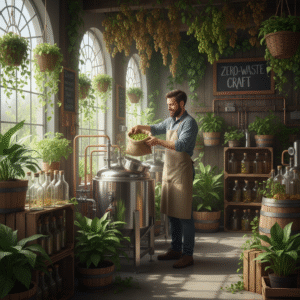
Sustainable Homebrewing: Practical Eco-Friendly Brewing Techniques for Conscious Brewers
Estimated Reading Time: 15 minutes
Key Takeaways
- Sustainable homebrewing reduces water, energy use, and waste while supporting local and organic ingredient sourcing.
- Eco-friendly practices save money, enhance brewing skills, and foster community connection.
- Efficient water and energy use through methods like chilling water reuse and energy-efficient equipment significantly lower environmental impact.
- Zero-waste brewing utilizes spent grains, hops, and reusable packaging for multiple sustainable benefits.
- Incremental, repeatable habits form the foundation of lasting sustainable brewing practices.
Table of Contents
- Why Sustainable Practices Matter in Water Conservation Brewing
- Key Principles of Sustainable Brewing Practices
- Eco-Friendly Brewing Techniques
- Energy Efficient Homebrewing Strategies
- Implementing Green Homebrewing in Everyday Practice
- Benefits of Environmental Brewing Mindfulness
- Conclusion
- Further Resources
- FAQ
Why Sustainable Practices Matter in Water Conservation Brewing
Brewing uses significant amounts of water, energy, and raw materials while generating considerable waste. A typical five-gallon homebrew batch might use 10-15 gallons of water when you account for mashing, sparging, cleaning, and sanitizing.
Energy consumption is equally substantial. Heating strike water, maintaining mash temperatures, bringing wort to a boil, and controlling fermentation temperatures all require power. Add in the waste generated from spent grain, hop trellises, packaging materials, and cleaning chemicals, and the environmental impact becomes clear.
Individual brewers might think their impact is small, but collective action in the homebrewing community can meaningfully reduce environmental strain. When thousands of homebrewers adopt water-saving and energy-efficient practices, the cumulative effect protects precious resources for future brewers and communities.
Beyond environmental benefits, sustainable brewing practices offer practical advantages:
- Lower utility bills from reduced water and energy consumption
- Cheaper batches through ingredient reuse and bulk purchasing
- More resilient local supply chains when you support nearby maltsters and hop farms
- Enhanced brewing skills through more intentional, process-driven approaches
These benefits make sustainable homebrewing not just environmentally responsible but economically smart.
Learn more from these resources: Tennessee Environmental Homebrewing Guide, Homebrewers Association Eco-Friendly Brewing, Igulu Tips for Sustainable Practices, Hume Brew Sustainability Tips.
Key Principles of Sustainable Brewing Practices
Sustainable homebrewing rests on four foundational principles that create a practical framework for conscious resource brewing.
Reduce
Limit water, energy, chemicals, and unnecessary equipment. This principle encourages brewers to question every resource they use. Do you really need to run water continuously during cleaning? Can you consolidate heating steps? Would a simpler equipment setup work just as well?
Reducing resource consumption starts with awareness. Track how much water you use per batch or monitor your energy consumption on brew days. Once you understand your baseline, you can identify easy reductions that don’t compromise beer quality.
Reuse
Emphasize reusing packaging, yeast, and spent ingredients wherever feasible. Zero-waste brewing doesn’t mean producing absolutely no waste—that’s unrealistic for most homebrewers—but rather minimizing waste through creative reuse.
Bottles can be cleaned and refilled dozens of times. Kegs last for decades with proper care. Yeast can be harvested and repitched across multiple batches. Cooling water can serve secondary purposes. Each reuse decision keeps materials in circulation rather than sending them to landfills or treatment plants.
Rethink Sourcing
Focus on local, seasonal, organic, or sustainably grown ingredients with minimal packaging. Green homebrewing means considering where your ingredients come from and how they reach you.
Buying grain from a regional maltster reduces transportation emissions compared to ingredients shipped across continents. Seasonal ingredients like fresh hops or local fruit have lower environmental footprints than imported alternatives. Organic farming practices support soil health and reduce chemical runoff into waterways.
Repeatable Habits
Encourage small, realistic changes that are sustainable over time. The most effective sustainable brewing practices are those you’ll actually maintain batch after batch, year after year.
Don’t try to overhaul your entire brewing process overnight. Instead, adopt one or two new habits per brew day. Once those become automatic, add another. This incremental approach prevents burnout and ensures your green brewing commitment lasts.
Discover more at Tennessee Homebrewing Sustainability, Sustainable Homebrewing Club, and Hume Brew Tips.
Eco-Friendly Brewing Techniques
Zero-Waste Brewing Methods
Zero-waste brewing focuses on finding productive uses for every brewing byproduct rather than treating them as garbage.
Spent Grain and Hops Reuse
Spent grain represents the largest waste stream in homebrewing, but it’s far from worthless. These grain husks still contain protein, fiber, and nutrients that make them valuable for multiple purposes:
- Composting: Add spent grain to your compost pile where it provides nitrogen-rich “green” material. Mix it with carbon-rich “brown” materials like leaves or cardboard to prevent clumping and odor issues.
- Garden soil amendment: Dig spent grain directly into garden beds where it improves soil structure and adds organic matter as it decomposes.
- Animal feed: Local farms often welcome spent grain as supplemental livestock feed, particularly for chickens, pigs, and cattle. Call nearby farms to establish a regular pickup arrangement.
- Occasional food uses: Spent grain can be dried and incorporated into bread, crackers, or dog treats, though this requires proper food safety practices.
Spent hops work well in compost but shouldn’t be fed to dogs, as hops are toxic to canines. Keep spent hops away from areas where pets might access them.
Bottle, Keg, and Growler Reuse
- Clean and sanitize bottles after each use rather than buying new ones. A good bottle brush and proper sanitation procedure let you reuse standard beer bottles indefinitely.
- Invest in quality caps and a reliable capper. Fresh caps for each batch ensure proper seals while the bottles themselves serve for years.
- Kegging systems represent the ultimate in reusable packaging. A single Cornelius keg might serve hundreds of batches over its lifetime.
- Growlers work well for sharing beer with friends or transporting small quantities, reducing the need for disposable containers.
Bulk Purchasing and Minimal Packaging
- Purchase grains in larger quantities from suppliers who use recyclable bags or offer refill programs.
- Join buying groups with other homebrewers to access wholesale pricing and reduce per-person packaging.
- Choose suppliers who prioritize sustainable packaging materials and take back empty containers for reuse.
More details available at Sustainable Homebrewing Club, Hume Brew, and Homebrewers Association.
Water Conservation Brewing Techniques
Water represents both a precious resource and a significant operating cost for homebrewers. Smart water management reduces both environmental impact and utility bills.
Chilling Water Reuse
The water used to cool your wort from boiling to pitching temperature doesn’t need to go straight down the drain. This warm water has multiple productive uses:
- Collect chilling water in buckets or a spare fermenter as it runs through your wort chiller.
- Use this warm water for cleaning brewing equipment immediately after brew day, reducing the energy needed to heat wash water.
- Divert chilling water to your garden, lawn, or outdoor plants. The moderate temperature won’t harm plants and provides free irrigation.
- Save chilling water for your next brew day’s strike water or sparge water, storing it in sanitized containers.
A simple immersion chiller running for 20 minutes might produce 10-15 gallons of warm water—enough to clean all your brewing equipment or water a substantial garden area.
Measuring and Tracking Water Use
- Measure strike water and sparge water volumes precisely to avoid excess.
- Note how much water you use for cleaning and rinsing equipment.
- Record chilling water consumption with a flow meter or by filling measured containers.
Once you understand your water usage patterns, you can identify the biggest opportunities for reduction. Many brewers discover they use far more rinse water than necessary or run chillers longer than needed.
Efficient Cleaning Routines
- Use no-rinse sanitizers like Star San that require no water-intensive rinsing step.
- Soak equipment rather than running water continuously during cleaning. A bucket of hot PBW solution cleans just as effectively as running water while using a fraction of the volume.
- Clean equipment immediately after use when residues haven’t dried and hardened. Fresh grain and hop matter rinses away easily, while dried material requires significantly more water and scrubbing.
- Adopt spray bottles for applying cleaning solutions to large surfaces, using targeted application rather than immersion when appropriate.
Learn more at Sustainable Homebrewing Club, Hume Brew, and Tennessee Environment Brewing.
Energy Efficient Homebrewing Strategies
Energy consumption represents a significant environmental impact and operating cost for homebrewers. Strategic approaches can dramatically reduce power use without compromising beer quality.
Right-Sized Batch Brewing
- Brewing smaller or appropriately sized batches reduces total energy consumption per brewing session.
- A three-gallon batch requires significantly less energy to heat and cool than a ten-gallon batch, while still providing plenty of beer.
- Match your batch size to your actual consumption rate. Brewing fresh beer more frequently in smaller volumes often produces better results than large batches that sit for months.
- Consider splitting one large mash into multiple recipes, maximizing the energy invested in heating while creating recipe variety.
Smaller batches also heat and cool faster, reducing the duration of energy-intensive brewing phases.
Energy-Efficient Equipment Investments
- Well-insulated brew kettles and mash tuns minimize heat loss during brewing, reducing the energy needed to maintain temperatures.
- Induction heating elements deliver energy directly to the kettle with minimal waste heat, achieving higher efficiency than gas burners or standard electric elements.
- Integrated brewing systems consolidate multiple heating and transfer steps, reducing overall energy consumption through optimized design.
- Electric brewing systems allow for precise temperature control with less energy waste than constant-flame gas burners.
While energy-efficient equipment requires upfront investment, reduced operating costs typically deliver payback within 1-2 years for regular brewers.
Insulation Methods
- Kettle jackets wrap around brew kettles to retain heat during mashing and boiling, reducing the energy needed to maintain target temperatures.
- Mash tun wraps or sleeping bag insulation maintain stable mash temperatures without active heating for single-infusion mashes.
- Fermentation chamber insulation reduces the work your temperature controller and heating/cooling devices must perform, lowering energy consumption throughout fermentation.
Even simple solutions like wrapping kettles in blankets or using reflective bubble wrap insulation deliver measurable energy savings.
Off-Peak Brewing and Alternative Energy
- Schedule brew days during off-peak electricity hours when grid demand is lower and utilities often charge reduced rates.
- Pair electric brewing systems with home solar installations to brew with renewable energy. Time your brew days for sunny periods when solar production peaks.
- Consider off-grid setups for homebrewers with access to solar, wind, or hydroelectric power, eliminating fossil fuel consumption entirely.
- Join community solar programs if individual renewable installation isn’t feasible, supporting renewable energy development while potentially reducing costs.
More insights: Homebrewers Association, Igulu Sustainable Brewing Tips, UC Davis Brewing Green.
Implementing Green Homebrewing in Everyday Practice
Sustainable brewing theory only matters when translated into practical action. These everyday practices help conscious resource brewing become routine.
Create a Green Brew Day Checklist
- Set up chilling water collection containers before starting
- Verify spent grain destination (compost bin ready, farm pickup scheduled, etc.)
- Turn off unused burners and heating elements between steps
- Check all connections for leaks before running water
- Confirm local ingredient availability before ordering
- Prepare reusable bottles or kegs for packaging
A physical checklist posted in your brewing area ensures you don’t forget key sustainability practices when focused on recipe execution.
Seasonal and Local Ingredient Planning
- Fresh hop season (late August through September in most regions) offers opportunities to brew wet-hop beers with locally grown hops, eliminating the energy-intensive drying and packaging processes.
- Local fruit harvests provide seasonal additions for fruit beers—apples in fall, berries in summer, stone fruit in late summer.
- Regional maltsters increasingly offer locally grown and malted grains with distinct terroir characteristics and minimal transportation footprints.
- Herb gardens provide fresh brewing herbs like coriander, chamomile, or lavender without any transportation or packaging.
Buying from nearby suppliers supports local economies while reducing the carbon footprint associated with long-distance shipping.
Yeast Reuse Across Batches
- Collect yeast from the fermenter after transferring beer to packaging, storing it in sanitized containers in your refrigerator.
- Repitch harvested yeast into new batches within 2-3 weeks for optimal viability and performance.
- A single yeast pack can serve 5-10 batches when properly harvested and stored, eliminating the resources needed to manufacture, package, and ship additional yeast.
- Simple washing techniques extend yeast life even further, though basic harvesting without washing works perfectly well for most homebrewers.
Proper Ingredient Storage
- Store grains in airtight containers in cool, dark locations to preserve freshness and prevent pest infestation.
- Keep hops in vacuum-sealed bags in the freezer to preserve volatile hop oils and prevent oxidation.
- Maintain dry malt extract and other ingredients in sealed containers with moisture-absorbing packets.
- Practice first-in, first-out inventory rotation to use older ingredients before they degrade.
Proper storage prevents the waste and expense of discarding degraded ingredients while ensuring consistent beer quality.
Explore further at Tennessee Homebrewing, Igulu Brewing Tips, and Hume Brew.
Benefits of Environmental Brewing Mindfulness
Personal Benefits
Conscious brewing practices offer direct benefits to individual brewers:
- Lower Cost Per Batch: Reduced water and energy consumption directly decrease utility bills. Reusing yeast, bottles, and other materials cuts ingredient and supply costs. Bulk purchasing provides better unit pricing. Many homebrewers report saving 20-30% per batch through sustainable practices.
- Improved Brewing Skills: Environmental brewing mindfulness encourages more intentional, process-driven brewing. When you carefully measure water volumes or precisely control temperatures to maximize efficiency, you develop better brewing technique overall. This attention to detail often produces more consistent, higher-quality beer.
- Increased Brewing Satisfaction: Many brewers find greater satisfaction in their hobby when they know their practices align with their environmental values. Sustainable brewing transforms a leisure activity into a meaningful practice that reflects personal principles.
- Enhanced Resource Awareness: Tracking inputs and outputs makes you a more knowledgeable brewer. Understanding exactly how much water, energy, and ingredients each batch requires allows for better planning and optimization.
Community and Environmental Benefits
- Reduced Strain on Local Resources: When homebrewers collectively adopt water conservation and energy efficiency measures, they reduce demand on municipal water systems and electrical grids. This lessens infrastructure strain and environmental impact at the community level.
- Support for Sustainable Agriculture: Choosing organic ingredients and buying from local farms supports agricultural practices that improve soil health, reduce chemical runoff, protect pollinators, and enhance ecosystem resilience. Your purchasing decisions directly influence farming practices.
- Lower Transportation Emissions: Buying locally produced malt, hops, and other ingredients eliminates the emissions associated with long-distance trucking or shipping. Regional supply chains prove far more sustainable than global ones.
- Knowledge Sharing Culture: The homebrewing community thrives on sharing tips, equipment, and ingredients. Sustainable brewers often establish grain sharing groups, bulk buying cooperatives, spent grain exchange programs with local farms, and equipment lending libraries. This collaborative culture multiplies the environmental benefits of individual actions.
- Educational Impact: Homebrewers who embrace sustainability often educate friends, family, and fellow brewers about environmental practices. This knowledge transfer extends the impact far beyond individual brewing operations.
Discover more at Tennessee Homebrewing Sustainability Programs, Igulu Brewing, and Hume Brew.
Conclusion
Sustainable homebrewing centers on smart resource use—optimizing water, energy, ingredients, and waste management—without sacrificing the beer quality that makes homebrewing rewarding. The practices outlined here aren’t about perfection or radical lifestyle changes. They’re about making thoughtful choices that reduce environmental impact while often saving money and improving your brewing process.
Start small. Pick one or two changes for your next brew day. Maybe you’ll set up a bucket to collect chilling water and use it for cleaning. Perhaps you’ll establish a spent grain composting routine or switch to a no-rinse sanitizer. Once these practices become automatic, add another sustainable technique to your repertoire.
The collective impact of homebrewers adopting eco-friendly practices extends far beyond individual batches. When you support local maltsters, compost spent grain, reuse water, and minimize energy consumption, you’re participating in a broader movement toward sustainable food and beverage production.
Your brewing choices matter. They influence local agriculture, resource consumption, waste streams, and the environmental legacy we leave for future brewers. Every gallon of water saved, every pound of grain composted, and every kilowatt-hour conserved represents progress toward more sustainable brewing.
We’d love to hear about your own sustainable homebrewing practices. What eco-friendly techniques have you adopted? What challenges have you encountered, and what creative solutions have you developed? Share your tips and experiences in the comments below to help build our community’s collective knowledge about green brewing practices.
Additional references: Tennessee Environmental Programs, Sustainable Homebrewing Club, Homebrewers Association.
Further Resources
Government and Environmental Agency Resources
State and regional environmental agencies offer valuable guidance on home resource efficiency and sustainable practices. The Tennessee Department of Environment and Conservation provides specific information about sustainable homebrewing initiatives and resource conservation strategies.
https://www.tn.gov/environment/sustainability/programs/tss/homebrewing.html
Homebrewing Association Guides
The Home Brewers Association maintains comprehensive guides on eco-friendly brewing covering ingredient sourcing, waste reduction techniques, water conservation strategies, and energy efficiency tips specifically tailored for homebrewers.
https://homebrewersassociation.org/how-to-brew/eco-friendly-brewing/
Specialized Sustainable Brewing Communities
Several online communities focus exclusively on sustainable and eco-friendly homebrewing:
- The Sustainable Homebrewing Club offers detailed guides on green brewing practices and realistic small-scale sustainability approaches.
- Hume Brew provides practical tips for improving sustainability in homebrewing operations.
https://humebrew.com/tips-to-improve-sustainability-in-homebrewing/
Local Resources to Explore
Your community likely offers resources to support sustainable brewing:
- Homebrew clubs with sustainability initiatives: Many local clubs organize bulk ingredient purchases, equipment sharing programs, and group composting arrangements. Search for clubs in your area and ask about their environmental programs.
- Regional maltsters and hop farms: Identify nearby grain suppliers and hop growers to reduce transportation impacts. Many regional maltsters offer brewery tours and direct sales to homebrewers.
- Organic ingredient suppliers: Seek out suppliers who prioritize organic certification and sustainable farming partnerships. Online directories can help locate sustainable suppliers.
- Municipal composting programs: Check whether your city or county operates composting facilities that accept spent grain. Some municipalities offer free or low-cost compost drop-off for residents.
- Community gardens: Local community gardens often welcome spent grain as soil amendment and may establish regular pickup arrangements with homebrewers.
Building connections with these local resources creates a support network that makes sustainable brewing easier, more affordable, and more impactful over the long term.
FAQ
What are the easiest sustainable practices for beginner homebrewers?
Start by collecting and reusing chilling water for cleaning or irrigation, cleaning and reusing bottles instead of buying new ones, and composting or donating spent grain. These small steps have immediate environmental benefits and are easy to integrate into your routine.
Can sustainable homebrewing affect the taste or quality of my beer?
When done thoughtfully, sustainable practices do not compromise beer quality. Many brewers find that precise control over water volumes and temperature, as well as fresher yeast reuse, can even improve consistency and flavor.
How can I reduce energy consumption without purchasing new equipment?
Implement insulation methods such as kettle jackets or mash tun wraps, brew smaller batch sizes, maintain tight control over heating times and temperatures, and schedule brew days during off-peak energy hours to reduce impact without big investments.
Is it safe to reuse yeast across batches?
Yes, provided you harvest it under sanitary conditions and store it appropriately in sanitized containers in the refrigerator. Repitch within 2-3 weeks to maintain yeast viability and avoid contamination risks.
Where can I donate spent grain?
Many local farms welcome spent grain as livestock feed. Check with nearby farms or community agricultural programs. Alternatively, composting at home or community gardens is an excellent option.