Recreating Ancient Beer: How Archaeology, Chemistry, and Craft Brewers Revive the World’s Oldest Ales
Estimated Reading Time: 18 minutes
Key Takeaways
- Ancient beer recipes are reconstructed through a blend of archaeology, chemistry, and practical brewing.
- Biomolecular archaeology uncovers ingredient profiles hidden in pottery residues and artifacts.
- Experimental archaeology recreates authentic brewing methods using replica vessels and traditional tools.
- Recreating ancient beer sheds light on cultural, social, and ritual significance beyond just flavor.
- Modern collaborations between universities, craft breweries, and museums bring ancient ales to life.
Table of Contents
- Introduction
- The Importance of Archaeological Findings in Brewing
- Notable Ancient Beer Recipes
- The Role of Biomolecular Archaeology
- Experimental Archaeology in Brewing
- Case Studies of Successes
- Challenges in Recreating Ancient Beer
- Conclusion
Introduction
Recreating ancient beer is the practice of using archaeological, historical, and scientific evidence to brew beers that approximate what ancient peoples actually drank. This fascinating fusion of science, history, and craftsmanship allows modern beer lovers to taste beverages that haven’t touched human lips in thousands of years. Ancient brewing represents far more than a hobby—it’s a window into understanding how our ancestors lived, celebrated, and survived.
Beer holds cultural significance across virtually every civilization that developed grain agriculture. From the Sumerian workers who received beer as wages to the Egyptian laborers who built pyramids while drinking thick, nutritious ales, beer was central to ancient life. Mesoamerican peoples brewed chicha from maize, while early European communities crafted farmhouse beers that sustained them through harsh winters. These weren’t recreational drinks alone—they were safe sources of hydration, nutrition, and social bonding.
The modern fascination with ancient brewing has grown into a full-fledged movement. Archaeological discoveries at sites like Mesopotamian temples and Egyptian tombs reveal sophisticated brewing operations that predate written language. Artistic depictions show detailed brewing processes, while physical evidence from ceramic vessels tells chemical stories about ingredients and methods. Source
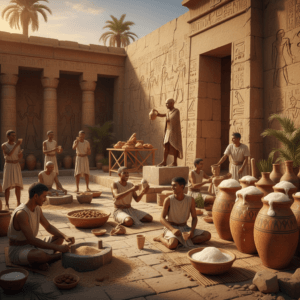
Egyptian tomb paintings and models illustrate workers mashing grain, straining wort, and tending fermentation vessels with remarkable clarity. These scenes provide blueprints for modern recreations. Source
Even Mesoamerican cultures developed unique brewing traditions. Chicha, made from maize, involved enzymatic conversion techniques that differed completely from Old World methods. Source
Today’s experimental brewing trend brings together unlikely partners. Universities now collaborate with craft breweries and archaeologists to reconstruct historical beer recipes as part of both academic research and commercial product development. These partnerships blend rigorous science with creative brewing, producing beers that educate as much as they entertain.
Great Lakes Brewing Company worked with University of Chicago archaeologists to brew Sumerian ales using replica pottery and ancient techniques. Source
Yale University offers an innovative course where students recreate ancient ales, mixing science, anthropology, and history in hands-on brewing experiments. This initiative closely ties into the theme of mindful brewing practices found in previous discussions on ancient brewing. Source
Documentary filmmakers and brewing educators now share these ancient brewing projects with global audiences, demonstrating techniques that connect modern craft beer enthusiasts with brewers who lived millennia ago. Source
The Importance of Archaeological Findings in Brewing
Archaeological brewing refers to using physical evidence—vessels, residues, brewing installations, written tablets, and artistic depictions—to reverse-engineer historic beers. This multidisciplinary approach transforms artifacts into actionable brewing knowledge. Every pottery shard, every grain residue, and every ancient text contributes pieces to a puzzle that researchers assemble into working recipes.
The process requires careful interpretation of multiple evidence types. Clay tablets provide ingredient lists but rarely specify quantities or timing. Tomb paintings show brewing steps but don’t indicate temperatures or durations. Chemical residues reveal what went into the pot but not always in what order. By combining these sources, researchers build increasingly accurate pictures of ancient brewing practices.
Modern archaeological brewing relies on advanced scientific tools that ancient brewers never imagined. Gas chromatography identifies organic compounds in pottery residues. Scanning electron microscopy examines grain structure to determine malting techniques. DNA analysis reveals yeast strains and botanical ingredients. These technologies unlock secrets that remained hidden for thousands of years. Source
Egyptian brewing installations discovered in archaeological excavations reveal sophisticated operations. Large-scale breweries featured multiple vessels for different brewing stages, straining equipment, and dedicated fermentation areas. Artistic depictions in tombs show workers mashing grain with wooden implements, straining wort through cloth, and filling ceramic fermentation vessels. Source
The discovery at Raqefet Cave revolutionized our understanding of brewing history. This site contained evidence of 13,000-year-old Natufian beer production—predating agriculture by several thousand years. The Natufians weren’t farming grain; they were gathering wild cereals and deliberately sprouting, grinding, and fermenting them. This finding proves that beer production wasn’t merely a byproduct of agriculture but may have actually motivated early grain cultivation.
The Raqefet Cave beer was nothing like modern beverages. Evidence suggests a porridge-like consistency made from malted grains, likely wild wheat or barley. This thick, slightly alcoholic gruel served nutritional purposes while also playing roles in ritual feasting and community bonding.
Clay tablets from Mesopotamia provide some of the earliest written brewing references. The Hymn to Ninkasi, a Sumerian poem honoring the goddess of beer, doubles as a mnemonic recipe. Though poetic and symbolic, it guides modern Sumerian ale reconstructions by describing grain processing, sweetening with honey or dates, and fermentation processes. Source
Researchers have successfully translated this hymn into working brewing instructions. The poem describes baking bappir (a twice-baked barley bread), crumbling it into water with malted grains, and allowing natural fermentation to occur. Source
Irish brewing sites from the 16th century reveal different traditions entirely. Archaeological evidence from brewhouses shows equipment, vessel sizes, and layout that inform historical beer recipes from medieval Europe. Source
These archaeological findings collectively demonstrate that beer wasn’t a luxury—it was foundational to ancient economies, religions, and daily survival. Workers received beer rations. Religious ceremonies required beer offerings. Social hierarchies found expression in beer quality and access. Understanding these contexts makes recreating ancient beer about more than flavor—it’s about recreating culture.
Notable Ancient Beer Recipes
The oldest known beer recipe dates back approximately 13,000 years to Natufian sites near Raqefet Cave in what is now Israel. This remarkable discovery pushed back the timeline of intentional fermentation by thousands of years. The Natufian people created a beverage vastly different from anything on tap today.
Their beer resembled a nutritious gruel more than a clear, carbonated drink. The process began with gathering wild wheat or barley, then malting it by soaking and sprouting the grains to convert starches into fermentable sugars. The malted grain was ground, possibly baked into bread-like lumps, then crumbled into water in stone mortars.
Fermentation occurred spontaneously through wild yeasts present in the environment and on the grain itself. The result was a thick, porridge-like beverage with low alcohol content but significant nutritional value. This ancient beer provided calories, B vitamins, and safe hydration in an era before water purification.
The Natufian beer likely served ceremonial purposes. Evidence suggests it was consumed during ritual feasts associated with burials and community gatherings. This connection between beer and ceremony persisted throughout ancient civilizations, suggesting that brewing’s social and spiritual functions were as important as its nutritional ones.
Patrick McGovern earned the nickname “Indiana Jones of Ancient Ales” through decades of biomolecular archaeology focused on ancient beverages. As Scientific Director of the Biomolecular Archaeology Project at the University of Pennsylvania Museum, McGovern has analyzed residues from pottery vessels across China, Egypt, the Middle East, Iran, Mexico, and Europe.
His work translates archaeological data into brewable formulas. McGovern doesn’t just identify what ancient people drank—he partners with craft breweries to recreate these beverages for modern consumers. His reconstructions include 9,000-year-old Chinese beverages made from rice, honey, and fruit, ancient Phrygian drinks from King Midas’s tomb, and Egyptian ales flavored with dates and herbs.
McGovern’s methodology combines rigorous scientific analysis with creative interpretation. Chemical testing reveals ingredient profiles, but ancient brewers left no detailed instructions. McGovern fills these gaps through experimental brewing, testing different techniques and proportions until achieving beverages that match the chemical evidence while remaining drinkable by modern standards.
His collaborations with Dogfish Head Brewery brought ancient ales to commercial market, making history literally drinkable. These partnerships demonstrate how academic research can reach popular audiences, turning archaeological discoveries into sensory experiences that connect people to the ancient world.
The Sumerian brewing tradition, documented in cuneiform tablets from around 4,000 years ago, reveals a sophisticated beer culture. Sumerians recognized multiple beer varieties, each suited to different occasions and social classes. The Hymn to Ninkasi describes sacred brewing processes that honored the goddess while preserving practical knowledge.
Sumerian beer utilized bappir—barley bread baked specifically for brewing. This bread was crumbled into vessels with malt and water, creating a mash that fermented into beer. The bread-based approach served multiple purposes: it preserved grain, concentrated sugars, and introduced beneficial organisms that aided fermentation.
Egyptian brewing reached industrial scale. Archaeological evidence reveals that pyramid workers received daily beer rations—often several liters of thick, nutritious beer that provided sustenance during grueling labor. Egyptian brewers developed two-stage mashing processes, separating clear beer from sediment-heavy portions.
Egyptian beer recipes incorporated dates, honey, and various botanicals. These ingredients added flavor, nutrition, and preservative qualities. Egyptian brewers understood that certain additions helped beer last longer in hot climates—knowledge born from practical necessity rather than scientific theory.
Mesoamerican chicha represents a completely different brewing tradition. Made primarily from maize rather than barley or wheat, chicha required unique enzymatic conversion methods. Some traditions involved chewing maize to introduce salivary enzymes that broke down starches—a technique that seems strange to modern sensibilities but proved remarkably effective.
The Role of Biomolecular Archaeology
Biomolecular archaeology applies chemical and biological analyses to ancient residues, revealing ingredient lists that written records never preserved. Techniques like gas chromatography, mass spectrometry, and DNA sequencing identify specific compounds left behind in pottery vessels, fermentation stones, and brewing installations.
These scientific methods work like molecular detective work. Organic compounds degrade over time, but certain markers remain stable for thousands of years. Lipids, proteins, and complex carbohydrates leave distinctive signatures that researchers can match to known ingredients. Even after millennia, scientists can determine whether a vessel held barley beer, wheat ale, or honey mead.
Biomolecular archaeology illuminates specific grain varieties used in ancient brewing. Chemical analysis distinguishes between barley, wheat, spelt, millet, and other cereals. This specificity matters because different grains produce dramatically different flavors and brewing characteristics. Knowing exactly which grain ancient brewers used helps modern recreations achieve authentic results.
Ancient brewers incorporated additives that modern brewers rarely consider. Date residues appear in Egyptian beer vessels, providing sweetness and fermentable sugars. Honey shows up in beverages from multiple cultures, serving as both fermentable and preservative. Tree resins, herbs, and botanicals provided flavoring before hops became the standard bittering agent. Source
Sumerian beers contained dates, emmer wheat, and barley in varying proportions. Chemical analysis of residues from ancient Sumerian vessels reveals these ingredients along with traces of herbs that may have served medicinal or flavoring purposes. Source
The Hymn to Ninkasi mentions honey and dates explicitly, providing textual confirmation of what chemical analysis independently revealed. This convergence of written and physical evidence strengthens confidence in reconstructions. Source
Yeast and microbial communities present the greatest challenge in biomolecular archaeology. Unlike stable chemical compounds, living organisms rarely survive thousands of years. DNA degrades, cell structures collapse, and microbial populations vanish. Yet researchers have found creative solutions.
Some teams harvest wild yeasts from ancient brewing sites, hoping to capture descendants of original fermentation organisms. Others analyze microbial DNA extracted from pottery residues, identifying yeast species that may have fermented ancient beers. While not the exact strains ancient brewers used, these organisms provide closer approximations than modern commercial yeasts. Source
Yale University researchers experiment with environmental yeasts captured during replica brewing in period-appropriate conditions. By fermenting in clay vessels exposed to ambient air, they allow wild fermentation to occur as it would have in ancient times. Source
These yeast experiments reveal how dramatically fermentation organisms affect flavor. Ancient beers fermented with wild yeasts develop complex, funky, tart flavors that contrast sharply with clean, neutral modern lager yeasts. Understanding these microbial contributions helps explain why ancient beers tasted so different from today’s commercial offerings.
Biomolecular archaeology also reveals brewing failures and accidents. Not every ancient batch succeeded. Residues sometimes show contamination, over-fermentation, or ingredient combinations that probably tasted terrible. These failures remind us that ancient brewers were experimenting and problem-solving just as modern brewers do.
The preservation of organic residues depends heavily on vessel material and burial conditions. Porous ceramics absorb liquids during use, trapping compounds that sealed glass or metal wouldn’t preserve. Anaerobic burial conditions—like sealed tombs or waterlogged sites—prevent oxidation that destroys organic matter. When conditions align, biomolecular archaeology can recover astonishingly detailed information.
Experimental Archaeology in Brewing
Experimental archaeology recreates ancient tools, environments, and processes to test theories about how things were made or used. In brewing, this means making beer exactly as ancient people could have done it—using period-appropriate materials, techniques, and conditions. These hands-on experiments reveal practical knowledge that texts and artifacts alone cannot provide.
The experimental approach answers questions that historical records leave open. How long did ancient mashing take? What temperatures did ceramic vessels reach over open fires? How did seasonal variations affect fermentation? Only by actually brewing under ancient conditions can researchers find reliable answers.
Replica ceramic vessels form the foundation of most experimental brewing projects. Modern stainless steel behaves completely differently than ancient pottery. Clay vessels are porous, conduct heat unevenly, harbor microbial communities, and impart flavors that metal never would. Researchers commission potters to recreate ancient vessel shapes, sizes, and firing techniques to match archaeological examples as closely as possible. Source
Yale students brew in ceramic pots fired using traditional methods, matching the clay composition and firing temperatures that ancient potters would have used. These vessels crack, leak, and behave unpredictably—teaching valuable lessons about ancient brewing challenges. Source
Vessel porosity dramatically affects fermentation. Porous clay allows slow oxygen exchange that influences yeast behavior and flavor development. Ancient brewers didn’t understand aerobic versus anaerobic fermentation scientifically, but they knew through experience which pots produced better beer. Experimental archaeology helps modern brewers rediscover this practical wisdom.
Brewing with simple equipment reveals ancient process limitations. No thermometers meant temperature control relied on touch, observation, and experience. No pumps meant gravity-fed transfers and manual stirring. No laboratory yeast meant spontaneous fermentation with whatever organisms the environment provided.
Researchers brew using wooden paddles, ceramic ladles, and woven straining cloths—the tools archaeology actually recovers. These simple implements work differently than modern equipment, affecting efficiency, consistency, and flavor. Source
Ancient brewing methods differ fundamentally from modern techniques. Two-stage mashing processes, common in Egyptian brewing, involved creating thick and thin portions separately. The thick portion contained more grain solids and nutrients, while the thin portion resembled what modern brewers would recognize as beer. Source
Bread-based mashing, used in Sumerian and other ancient traditions, involved baking grain into bread first, then crumbling it into water. This technique seems inefficient by modern standards but offered advantages: bread preserved grain safely, concentrated enzymes through baking, and simplified the mashing process. Source
Irish medieval brewhouses operated without modern lauter tuns or sparging systems. Brewers simply drained wort from grain beds without rinsing, accepting lower efficiency in exchange for simpler equipment and faster processing. Source
Experimental archaeology recreates not just flavors but textures, alcohol levels, and drinking practices. Many ancient beers were thick enough to require straining through cloth or drinking through straws—a practice depicted in Sumerian art. These thick beers provided substantial nutrition, blurring the line between food and drink.
Environmental factors profoundly influence experimental brews. Fermentation temperature, ambient microbes, water mineral content, and seasonal grain variations all affect results. Ancient brewers couldn’t control these variables as modern brewers can, so their beers varied batch to batch and season to season. Experimental archaeology embracing this variability produces more authentic results than tightly controlled laboratory brewing.
The experimental approach also reveals what didn’t work. Some reconstructed techniques produce undrinkable results, teaching researchers that certain interpretations of evidence must be wrong. These failures guide researchers toward more accurate understandings, refining theories through trial and error.
Case Studies of Successes
Dogfish Head Ancient Ales represents the most successful commercial application of archaeological brewing. Founder Sam Calagione partnered with Patrick McGovern to create a line of historically inspired beers based on specific archaeological findings. These collaborations transform academic research into drinkable history that reaches thousands of consumers.
Midas Touch, one of Dogfish Head’s flagship ancient ales, recreates a 2,700-year-old beverage from King Midas’s tomb in Turkey. Chemical analysis of residues in drinking vessels revealed a mixture of barley, honey, grapes, and saffron. McGovern and Calagione translated these findings into a hybrid beer-mead-wine that balances sweetness, acidity, and complexity. The result tastes unlike any modern beer style yet remains accessible and delicious.
Chateau Jiahu reaches even further back—9,000 years—to Neolithic China. Residue analysis revealed a beverage made from rice, honey, grapes, and hawthorn fruit. Dogfish Head’s recreation uses these authentic ingredients adapted to modern brewing systems, producing a tart, fruity ale that connects drinkers to humanity’s earliest fermented beverages.
Dogfish Head’s ancient ales demonstrate that historical accuracy and commercial viability aren’t mutually exclusive. These beers educate consumers while providing genuinely enjoyable drinking experiences. Each bottle includes information about the archaeological evidence behind the recipe, turning beer consumption into informal history lessons.
Great Lakes Brewing Company’s Sumerian Ale represents academic-commercial collaboration at its finest. Working with University of Chicago archaeologists, Great Lakes brewed using replica pottery vessels, simple tools, and guidance from the Hymn to Ninkasi. The project recreated a 4,000-year-old Sumerian-style beer as authentically as possible. Source
The Sumerian Ale project prioritized experimental archaeology methodology over commercial production. Brewers accepted inefficiencies and inconsistencies inherent in ancient methods, gaining insights that stainless-steel brewing could never provide. The resulting beer was thick, date-sweetened, and slightly sour—challenging for modern palates but historically authentic.
Yale University’s brewing course takes experimental archaeology into the classroom. Students don’t just study ancient brewing—they actually brew ancient ales using replica ceramic vessels and translated research. The course blends chemistry, archaeology, anthropology, and hands-on craft. Source
British Museum researchers have brewed ancient Egyptian beer using models from tomb art as blueprints. These reconstructions employ two-stage mashes, straining through linen cloth into terracotta fermentation vessels, and pitching harvested wild yeasts. The resulting beers offer insights into what pyramid workers actually drank during construction. Source
Museum brewing projects serve educational purposes, creating programming that brings artifacts to life. Visitors can see, smell, and sometimes taste recreations of ancient beverages, transforming static museum displays into multisensory experiences.
Mesoamerican chicha experiments explore pre-Columbian fermentation practices unique to the Americas. Brewers and historians recreate maize-based beers using traditional enzyme conversion methods, sometimes including ceremonial chewing techniques. Source
These chicha recreations reveal completely different brewing philosophies. Where Old World brewing centered on barley and wheat, Mesoamerican traditions used maize, cassava, and other New World crops. Understanding these parallel brewing traditions enriches global brewing history.
Beer enthusiasts describe ancient ales in terms that surprise modern expectations. Words like “wine-like,” “tart,” “herbal,” “funky,” and “porridge-like” appear frequently. These beers challenge palates accustomed to clean lagers and hop-forward IPAs. They’re adventurous drinks for curious drinkers willing to taste history rather than chasing trendy styles.
The success of these projects demonstrates that recreating ancient beer serves multiple audiences. Academics gain research insights, brewers explore creative territory, museums engage visitors, and consumers experience living history. This multidisciplinary appeal ensures that ancient brewing remains a growing field rather than an academic curiosity.
Challenges in Recreating Ancient Beer
Ingredient availability poses the first major challenge in recreating ancient beer. Many original grains and botanicals no longer exist in their ancient forms. Thousands of years of selective breeding transformed wild wheat and barley into modern cultivated varieties that behave differently in brewing. Heirloom grain varieties offer closer approximations but still differ from truly ancient genetics.
Ancient dates, wild fruits, and bittering herbs are similarly problematic. The exact varieties ancient Egyptians used may be extinct. The herbs Sumerians added to beer grew wild in regions where agricultural development has eliminated native flora. Brewers must choose modern equivalents that approximate historical flavors without knowing exactly what they’re approximating.
Tree resins used in ancient beverages present sourcing challenges. Pine resins, terebinth resins, and other botanical preservatives aren’t standard brewing ingredients today. Finding food-grade sources that match archaeological evidence requires extensive research and sometimes custom sourcing from specialty suppliers. Source
Medieval Irish brewing faced different ingredient challenges. While grains remained relatively consistent, the absence of hops in early recipes means recreating authentic flavor profiles using gruit herbs—combinations of yarrow, bog myrtle, mugwort, and other botanicals that modern brewers rarely encounter. Source
Even when ingredients seem straightforward, sourcing authentic varieties proves difficult. Modern barley varieties are bred for agricultural yield and disease resistance, not brewing characteristics that ancient farmers valued. Heritage grain initiatives preserve some older varieties, but truly ancient genetics exist only in archaeological seed banks if at all.
Sumerian brewing specifically called for ingredients like bappir and emmer wheat that aren’t commercially available. Brewers must either recreate these ingredients from scratch or substitute modern equivalents and accept reduced authenticity. Source
Brewing equipment challenges extend beyond simple material differences. Matching ancient vessel shapes, clay composition, porosity, and firing temperatures requires custom pottery work. Each variable affects heat distribution, evaporation rates, and microbial environments that influence fermentation and flavor.
Small changes in ceramic properties produce large brewing effects. Vessels fired at lower temperatures remain more porous, allowing oxygen exchange and moisture loss. Higher firing creates denser ceramics closer to modern stoneware. Ancient potters achieved consistent results through experience rather than temperature measurement, making exact replication difficult. Source
Tomb models and artistic depictions show vessel shapes but rarely indicate size, capacity, or exact proportions. A brewing jar depicted in Egyptian art could hold five liters or fifty—the scale isn’t specified. Researchers must make educated guesses based on human ergonomics, typical batch sizes, and comparable vessels from archaeological collections. Source
Fermentation environments present perhaps the greatest challenge. Ancient beers fermented in open vessels in rooms teeming with environmental microbes. Wild yeasts, bacteria, and other organisms contributed to fermentation in ways modern sanitized breweries prevent. Modern health and safety regulations often prohibit the open, uncontrolled fermentations that ancient brewing relied upon.
Temperature control, or its absence, dramatically affected ancient fermentation. Seasonal variations meant summer batches fermented hot and fast, producing fruity esters and potential off-flavors, while winter batches fermented slowly and cleanly. Ancient brewers adjusted recipes seasonally to account for these variations—knowledge that’s difficult to reconstruct from archaeological evidence alone.
Microbiological challenges complicate authenticity. Original yeast strains and bacterial communities are largely unknown. Even when researchers harvest environmental microbes from archaeological sites, they can’t confirm these organisms descended from ancient brewing cultures. Thousands of years of environmental change, agricultural development, and microbial evolution mean today’s wild ferments differ from ancient ones.
Some researchers attempt to culture yeasts from ancient pottery residues or burial sites, hoping dormant spores survived millennia. Success rates are low, and proving that recovered organisms are ancient rather than modern contamination remains scientifically challenging. Source
Yale researchers embrace wild fermentation using ambient yeasts captured during replica brewing. While these organisms aren’t provably ancient, they represent spontaneous fermentation processes that ancient brewers would have experienced. Source
Interpreting incomplete evidence requires balancing educated guesses with scientific rigor. The Hymn to Ninkasi is poetic and metaphorical—it celebrates brewing rather than documenting it clinically. Lines like “You are the one who soaks the malt” confirm malting occurred but don’t specify duration, temperature, or technique. Source
Archaeological residues reveal what went into vessels but not always in what proportions or order. Chemical analysis might detect barley, dates, and honey, but was this one beer or residue from multiple batches? Did ingredients mix together or did the vessel serve different purposes over time? Researchers must interpret ambiguous evidence carefully. Source
Tomb paintings show brewing steps but often in symbolic rather than literal sequences. Egyptian art depicting beer production is arranged for artistic balance and religious meaning, not as step-by-step brewing instructions. Archaeologists must distinguish representational elements from realistic depictions.
Legal and safety requirements impose modern constraints that ancient brewers never faced. Food safety regulations prohibit certain traditional techniques, like saliva-enzyme chewing for chicha. Alcohol content regulations, labeling requirements, and sanitation standards sometimes conflict with historical authenticity.
Balancing authenticity with drinkability and marketability challenges commercial brewers especially. A perfectly authentic recreation might be thick, sour, inconsistent, and unpalatable to modern consumers. Brewers must decide whether to prioritize historical accuracy or customer satisfaction—a tension that researchers and commercial brewers navigate differently.
These challenges ensure that recreating ancient beer remains an inexact science. Each recreation represents educated approximation rather than perfect replication. Yet these limitations don’t diminish the value of the effort. Even imperfect recreations provide insights that desk research alone cannot, connecting us to ancient brewing traditions in tangible, sensory ways.
Conclusion
Recreating ancient beer successfully merges archaeology, biomolecular research, and craft brewing into a unique interdisciplinary practice. This collaboration between scientists, historians, and brewers transforms ancient artifacts and chemical traces into living beverages that modern people can experience. Each ancient-style ale offers more than flavors—it provides connections to the daily lives, rituals, and technologies of people who lived thousands of years ago.
The practice enhances cultural understanding in ways that written history cannot. Tasting a thick, date-sweetened Egyptian ale helps us comprehend what “beer rations” meant to pyramid workers. Experiencing tart, spontaneously fermented Sumerian beer reveals why ancient peoples viewed brewing as divine gift worthy of goddess worship. These sensory experiences make abstract historical knowledge tangible and memorable.
Archaeological brewing demonstrates that innovation doesn’t always mean moving forward. Sometimes the most creative brewing happens by looking backward, rediscovering techniques and ingredients that modern industrial brewing abandoned. Ancient methods like bread-based mashing, wild fermentation, and botanical flavoring offer inspiration for contemporary craft brewers seeking to differentiate their products in crowded markets.
The scientific dimensions of recreating ancient beer advance multiple academic fields simultaneously. Biomolecular archaeology develops new analytical techniques. Experimental archaeology refines our understanding of ancient technologies. Anthropology gains insights into ritual, economy, and daily life. Food history documents cultural evolution. These scholarly contributions justify ancient brewing research beyond mere curiosity.
Commercial success stories like Dogfish Head Ancient Ales prove that historical recreations can reach mainstream audiences. These beers educate thousands of consumers who would never read academic journals or visit archaeological museums. Every bottle becomes a small lesson in cultural history, spreading knowledge through enjoyable consumption rather than formal education.
We encourage you to explore ancient-style ales from breweries like Dogfish Head, Great Lakes, and other innovative producers experimenting with historical recipes. These beers won’t taste like familiar styles—that’s precisely the point. They challenge expectations, expand palates, and demonstrate brewing’s incredible diversity across cultures and millennia.
Homebrewers can embrace ancient techniques in their own experiments. Trying bread-based mashing with homemade bappir connects you directly to Sumerian brewers. Fermenting in clay vessels using wild yeasts replicates conditions ancient Egyptians worked with. Brewing gruit ales with historical herb combinations reveals pre-hop flavoring traditions from medieval Europe.
Document your ancient brewing experiments carefully. Record ingredients, methods, fermentation observations, and tasting notes. Share results with homebrewing communities, contributing to collective knowledge about historical techniques. Your kitchen experiments, however modest, continue the important work of preserving and understanding ancient brewing traditions.
Consider visiting museums featuring ancient brewing exhibits. Many institutions now offer demonstrations, tastings, and hands-on workshops that bring archaeological findings to life. These experiences deepen appreciation for both ancient ingenuity and modern scientific research that makes recreations possible.
Support heritage grain initiatives and heirloom variety preservation efforts. Organizations working to maintain ancient and landrace grain genetics provide essential ingredients for authentic recreations while preserving agricultural biodiversity. Your purchases of heritage grain products encourage this vital conservation work.
Join online communities focused on historical brewing. Forums, social media groups, and specialty websites connect enthusiasts, researchers, and professional brewers exploring ancient techniques. These communities share recipes, troubleshoot challenges, and celebrate successes in collaborative exploration of brewing history.
Recreating ancient beer ultimately reminds us that beer is more than a commodity—it’s cultural heritage spanning human civilization. From Natufian ritual feasts 13,000 years ago to Egyptian pyramid worker rations to Sumerian religious ceremonies, beer has sustained, united, and inspired people across continents and centuries. Modern recreations honor that heritage while creating new traditions that blend ancient wisdom with contemporary creativity.
Whether you’re sipping Midas Touch while contemplating Phrygian history, brewing Sumerian ale in your kitchen, or simply reading about archaeological discoveries, you’re participating in an ongoing conversation between past and present. Recreating ancient beer keeps that conversation alive, ensuring that the world’s oldest ales continue delighting and educating new generations of curious drinkers.
Frequently Asked Questions
What is the significance of recreating ancient beer?
Recreating ancient beer offers insights into historical brewing methods and cultural practices, connecting us tangibly with the past through sensory experience and enhancing understanding of ancient societies beyond textual records.
How do researchers determine the ingredients of ancient beers?
Using biomolecular archaeology techniques like gas chromatography and DNA sequencing, researchers analyze residues from pottery and artifacts to identify grains, additives, and fermentation agents used thousands of years ago.
Why are replica ceramic vessels important in experimental brewing?
Replica ceramic vessels mimic ancient porous materials that affect fermentation, heat transfer, and flavor development differently from modern metals, providing more authentic brewing conditions to test historical methods.
Can modern brewers perfectly replicate ancient beers?
No. Due to ingredient availability, differences in microbes, and incomplete evidence, recreations are approximate, representing educated interpretations rather than exact copies.
Are ancient beer recreations commercially available?
Yes, breweries like Dogfish Head and Great Lakes Brewing Company produce limited releases of historically inspired ales based on archaeological research, offering the public opportunities to taste beer history.