Ancient Brewing Ingredients: How Early Grains, Herbs, and Spices Shaped Beer
Estimated reading time: 18 minutes
Key Takeaways
- Ancient beers utilized heritage grains like emmer wheat, spelt, and barley, creating unique flavors distinct from modern beers.
- Before hops, gruit—blends of herbs and spices—flavored and preserved beer, adding diverse aromatic profiles.
- Ancient brewing techniques relied on wild yeasts and bread-based malting creating rich, rustic beers with cultural and ritual importance.
- Modern craft brewers are reviving ancient grains and herbs for authenticity, flavor complexity, and historical connection.
- Understanding the role of early grains, herbs, and spices reveals beer’s deep ties to human history and innovation.
Table of Contents
Overview of Ancient Brewing Techniques
The Dawn of Fermented Beverages
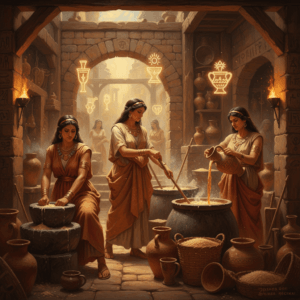
Long before recorded history, humans began fermenting grains into beer-like beverages. The earliest evidence, dating back to the Natufian culture, shows thick, fermented gruels made from grain and water that naturally captured wild yeasts. By 4000 BCE, Sumerians had advanced bread-based brewing using bappir, a twice-baked barley bread proto-malt. The famous Hymn to Ninkasi, from around 1800 BCE, doubles as a brewing recipe — a fascinating glimpse into ancient brewing knowledge.
Ancient Egyptians refined these techniques, brewing with emmer wheat, spelt, and barley to create thick bread-mash beers. Workers building pyramids were even paid in beer, underscoring its societal importance.
References: History of Beer, Pharaoh Ale Brewing
How Ancient Brewing Actually Worked
The core brewing principle has remained conversion of grain starches into fermentable sugars, then fermentation by yeast. Unlike today’s pure yeast cultures, ancient brewers relied on wild yeasts present on grain, vessels, and in the environment.
The process often involved:
- Baking bread or brewing loaves from partially sprouted grain
- Crumbling loaves into water for mash
- Natural fermentation with wild yeasts
- Sometimes adding honey, dates, or herbs for flavor
These loaves—called bappir or cyllestis—preserved enzymatic activity and yeast starters in a stable form.
Read more: Pharaoh Ale Brewing
Beer’s Cultural Importance in Ancient Societies
Beer was more than a drink—it was currency, sacred offering, and social glue. In Mesopotamia, laborers were paid in beer rations measured daily. Temples crafted beer for rituals and graves. These cultural roles ensured brewing knowledge carefully passed through generations.
For fascinating context, visit Ancient Origins of Beer.
Key Ancient Beer Ingredients: Grains and Malt
Emmer Wheat: Egypt’s Brewing Grain
Among ancient grains, emmer wheat (Triticum dicoccum) was pivotal. As a hulled grain, it required more processing but offered excellent storage and flavor. Egyptian brewers mixed it with barley and spelt in bread-mash beers, creating rich, nutty, and earthy profiles.
Emmer flavors include:
- Nutty, wholesome bread character
- Earthy undertones
- Fuller body vs. modern wheat
- Rustic, grainy complexity
Ancient Malt Varieties and Malting Methods
Malting in ancient times was bread-based: soaking grain to sprout, baking into loaves, then drying to arrest germination. Barley dominated in Mesopotamia; emmer, spelt, and barley all were malted in Egypt and Mediterranean areas.
This created malts with pronounced cereal, bread-crust, and nutty flavors—quite different from modern kiln-malted malt.
Sources: Beer Connoisseur, EMBO Press
Ancient Grains in Brewing
What Are Ancient Grains?
Ancient grains include:
- Emmer (Triticum dicoccum)
- Einkorn (Triticum monococcum)
- Spelt (Triticum spelta)
- Heritage barley varieties
- Millet and sorghum
Regional Grain Preferences in Ancient Brewing
Grain choice reflected environment and culture: barley in Mesopotamia, emmer and spelt along the Nile, mixed grains in Europe, millet and rice in China.
Learn more: Ancient Beer History
The Role of Ancient Grains in Beer
Ancient grains provided:
- Fermentable sugars fueling yeast to produce alcohol
- Calories and nutrition, often making beer a dietary staple
- Body and mouthfeel from higher proteins and beta-glucans
- Distinctive flavors unique to each grain
Health and Flavor Benefits of Ancient Grains
Compared to modern malts, ancient grains offer:
- Higher fiber and micronutrient diversity
- Rustic, earthy, spicy notes with rich grain complexity
- Less genetic modification, more natural character
The Modern Resurgence of Ancient Grains Brewing
Craft brewers today champion ancient grains for their historical roots, flavor novelty, local agriculture ties, and marketing appeal.
Discover more: Silos Brewing
Historical Beer Herbs and Spices
What Is Gruit?
Gruit refers to herb blends used before hops to flavor and preserve beers. These mixes varied immensely, sometimes controlled by authorities with brewing monopolies, elsewhere crafted freely by brewers.
More on gruit: History of Beer
Common Historical Beer Herbs
- Yarrow – Bitter, mild preservative, herbal aroma
- Sweet Gale – Resinous, piney bitterness, mild narcotic effects
- Mugwort – Bitter, sage-like, preservative qualities
- Heather – Floral sweetness, honey notes, Scottish & Nordic use
- Rosemary, sage, thyme – Savory flavors with antimicrobial properties
Ancient Beer Spices
- Coriander and cumin – Citrus and earthy notes in Mediterranean beers
- Fennel – Sweet licorice flavors
- Juniper – Piney, gin-like aromas
- Ginger, cinnamon, exotic spices – Complex warming notes from trade influences
Egyptian brewers also added honey and dates for sweetness and flavor.
References: Beer Connoisseur, Stewart Brewing
Basic Gruit Beer Recipe Framework
Grain Bill: 80% base malt (barley or emmer/spelt), 20% specialty grains
Hops: None or minimal (under 10 IBUs)
Herbs/Spices (choose 2–4):
- 15–20g yarrow (late boil, 10–15 minutes)
- 10–15g sweet gale (late boil, 10–15 minutes)
- 5–10g rosemary (whirlpool or dry herb)
Process: Mash normally, add herbs late in boil or whirlpool, ferment with ale yeast, optionally add herbs during conditioning for aroma.
Benefits: Unique flavor profiles, historical authenticity, hop-free brewing experience.
Pre-Hop Brewing Practices
What Is Pre-Hop Brewing?
Pre-hop brewing includes all traditions before hops became dominant, roughly prior to the 9th–13th centuries in Europe. This period is marked by diverse herb-flavored beers and gruits.
Sources: Beer and Civilization
The Introduction of Hops
First recorded use of hops in beer dates to 822 CE, but hops took centuries to replace herbs fully, with gruit lingering due to economic, cultural, and religious factors.
Learn more: Silos Brewing
Why Use Herbs and Spices?
- Flavor balance: Bitter herbs offset malt sweetness
- Preservation: Tannins and antimicrobials extended beer’s freshness
- Ritual and medicinal: Herbs held symbolic or health roles
Traditional Pre-Hop Brewing Methods
- Herbs added in mash, boil, or as cold infusions
- Variations by region, monastic, civic, and household brewers
Results: tremendously varied flavor and aroma profiles by locale.
Tips for Modern Brewers Using Ancient Ingredients
Sourcing Ancient Grains
- Specialty maltsters for ancient/heritage malts
- Heritage grain farms for whole grain to malt yourself
- Homebrew suppliers—ask for custom orders
Working with Ancient Grains
- Start with 20–40% ancient grain to base malt
- Expect thicker mash, possibly use protein rests (122–131°F)
- Be patient with lautering; hulls can slow runoff
- Anticipate more rustic, fuller, sometimes tannic flavors
Sourcing Historical Beer Herbs and Spices
- Purchase food-grade herbs from reputable suppliers
- Grow own brewing herbs for freshness and control
- Pre-mixed gruit blends available for experimentation
Brewing Technique Recommendations
- Brew small batches first (1–2.5 gallons) to experiment
- Use simple recipes to let ancient ingredients shine
- Take detailed notes on ingredient amounts and timing
- Start with 10–20g herbs per 5-gallon batch, add late boil or whirlpool
Safety and Legal Considerations
- Avoid toxic herbs like wormwood (contains thujone)
- Research unfamiliar botanicals thoroughly
- Check commercial brewing regulations when selling
- Start with safe, classic brewing herbs (yarrow, sweet gale, rosemary, etc.)
Blending Old and New
You can combine ancient and modern brewing: heritage grains with hops, or ancient herbs with traditional lagers. Experiment while honoring history.
Conclusion
Ancient brewing ingredients open a window into humanity’s oldest crafted beverage. From Egyptian emmer beers to medieval gruits, these grains, herbs, and spices shaped beer’s evolution and cultural roles.
Beer was once liquid wages, sacred offerings, nourishment, and communal bond. This deep cultural context enriches our modern drinking experience.
For modern brewers, ancient grains and herbs offer flavors and textures rare today. Whether for historical recreation or novel flavors, these ingredients invite experimentation and connection to millennia of brewing heritage.
Remember: there are no “wrong” answers. Ancient brewers adapted locally—so feel free to explore and innovate while learning from the past.
Beer celebrates community, creativity, and transformation. By using ancient ingredients, you contribute to a tradition 10,000 years in the making—and help it grow into the future.
Further reading: Beer Connoisseur, Wikipedia History of Beer, Stewart Brewing
Additional Resources
Explore ancient brewing history:
Try authentic ancient recipes:
Discover pre-hop brewing traditions:
Learn about ancient beer practices and their significance:
Happy brewing—may your ancient ingredient adventures yield delicious discoveries!
Frequently Asked Questions (FAQ)
What are the main ancient grains used in beer brewing?
The primary ancient grains are emmer wheat, spelt, einkorn, and various heritage barley varieties. These grains were chosen for their fermentable sugars, flavor, and availability in ancient regions.
How did ancient brewers ferment beer without pure yeast cultures?
They depended on wild yeasts naturally present on grains, brewing vessels, and in the air. The baking of bread-like malt loaves helped preserve yeast and enzymes to start fermentation organically.
What is “gruit” and why did ancient beers use it?
Gruit is a mixture of herbs and spices used before hops became widespread to flavor and preserve beer. Gruit blends added bitterness, aroma, and mild antimicrobial properties, with regional variations creating diverse beer profiles.
Can I brew with ancient grains or herbs at home?
Absolutely! Many specialty malsters and herb suppliers provide ancient grains malt and brewing herbs. Start small batches, keep notes, and expect rustic, flavorful beers distinct from typical modern brews.
Are ancient herbs safe to use in brewing?
Most traditional brewing herbs like yarrow, sweet gale, rosemary, and sage are safe in reasonable amounts. Avoid toxic plants (e.g., wormwood) and verify the safety and legality of herbs, especially for commercial brewing.
How is ancient brewing relevant to modern craft beer?
Ancient brewing techniques and ingredients inspire craft brewers seeking unique flavors, historical authenticity, and connection to local agricultural heritage. Combining old and new approaches enriches brewing creativity.